
Physical vs. Digital vs. Hybrid Donor Walls: Which Is Right for Your Organization?
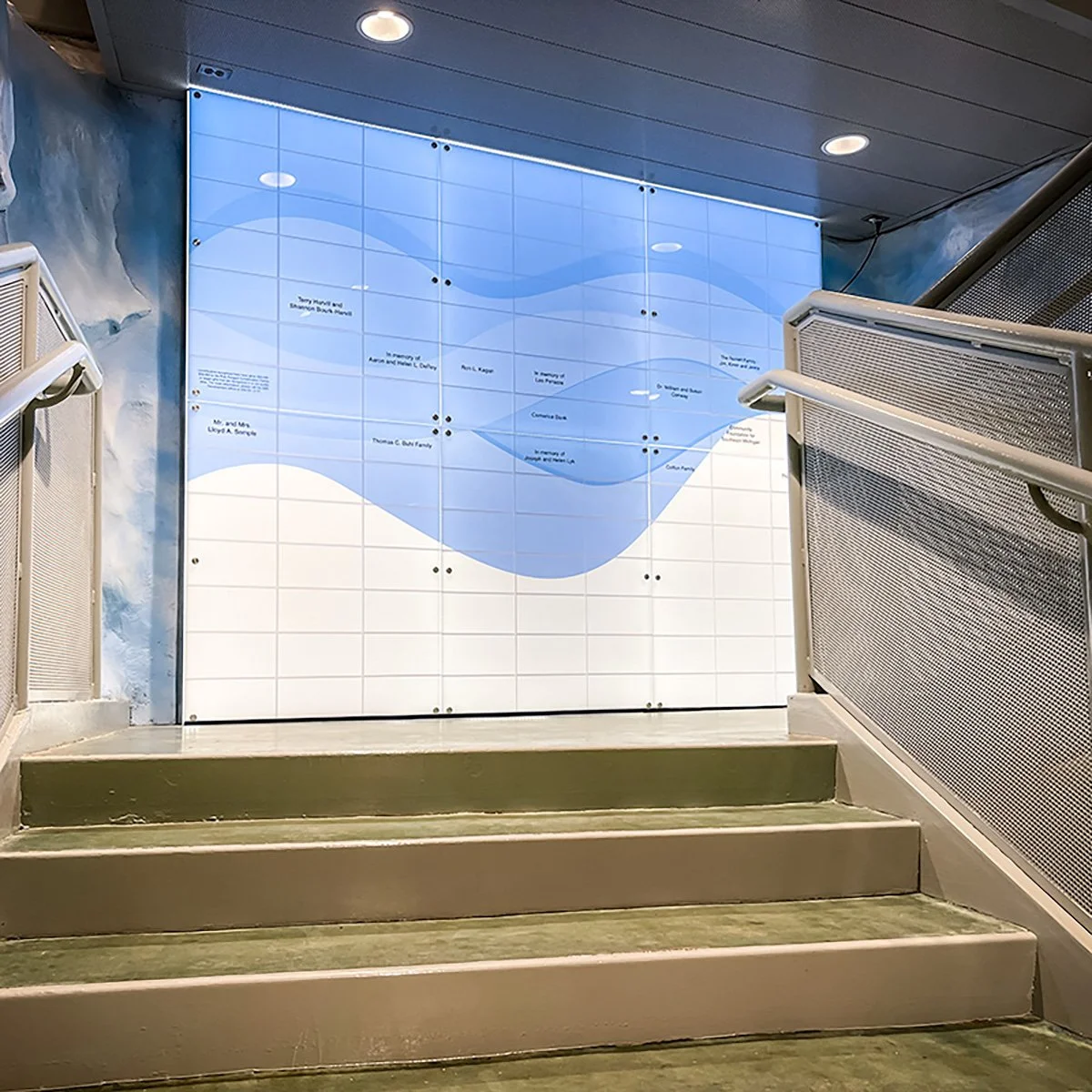
Donor recognition is no longer a one-size-fits-all decision. As institutions evolve, how they honor supporters must also adapt to fit their unique spaces, audiences, and storytelling goals. Today, organizations must evaluate Physical, Digital, and Hybrid Donor Walls to determine which system aligns with their long-term stewardship strategy. Physical donor walls create a profound architectural presence and a sense of permanence. Digital donor walls offer unmatched flexibility, engaging multimedia storytelling, and easier, more frequent updates. Meanwhile, hybrid donor walls combine the best of both worlds, offering an anchored physical design paired with digital adaptability.
Choosing the right format requires a consultative approach rather than focusing solely on aesthetics. A successful donor recognition strategy demands evaluating your space, active fundraising campaigns, update frequency, and internal capacity. By understanding the distinct roles of physical, digital, and hybrid donor recognition displays, you can confidently invest in a system that honors your past supporters while inspiring future generosity.
What Is a Physical Donor Wall?
Definition:
A physical donor wall, also known as a traditional donor wall, is a permanent or semi-permanent display crafted from tangible materials. These custom donor walls utilize glass, brushed metal, warm woods, acrylic, stone, dimensional lettering, or integrated architectural elements.
Best Uses:
Physical installations excel at providing permanent recognition. They are ideal for honoring major donors, commemorating completed capital campaigns, and enhancing formal entry spaces. Historic buildings or organizations with stable donor lists that rarely change are perfect candidates.
Advantages:
Delivers a strong, high-end architectural presence and a profound sense of permanence.
Requires no screen software management or technical troubleshooting.
Offers a long lifespan when correctly engineered.
Integrates seamlessly with a broader donor plaque program or named spaces.
Limitations:
More difficult and costly to update with new donor names.
Limited surface area can restrict the size of growing donor lists.
Provides no room for rotating video, impact stories, or dynamic content.
Physical tier changes may require entirely new fabrication.
What Is a Digital Donor Wall?
Definition:
A digital donor wall is a screen-based or interactive display. These systems feature dynamic donor names, giving levels, active campaign progress, high-resolution videos, photos, impact stories, interactive timelines, and searchable donor directories.
Best Uses:
Digital donor walls are ideal for organizations that manage frequent donor updates and very large donor lists. They suit multi-faceted fundraising campaigns, story-driven initiatives, interactive visitor experiences, and facilities with limited wall space.
Advantages:
Streamlines donor name updates and list corrections.
Supports engaging multimedia, including video, photos, and impact stories.
Recognizes thousands of donors without creating visual clutter.
Allows sorting by campaign, giving year, donor tier, or specific program.
Limitations:
Requires upfront hardware planning and dedicated electrical and network access.
Demands ongoing software, content management, and long-term service support.
Requires careful design to mitigate screen glare, ensure accessibility, and optimize the user experience.
What Is a Hybrid Donor Wall?
Definition:
A hybrid donor wall merges tangible architectural design with digital technology. It combines physical materials (such as dimensional lettering and plaques) with integrated touchscreens or digital signage that host rotating content, searchable directories, and impactful storytelling.
Best Uses:
Hybrid donor walls are ideal for organizations that need both permanence and flexibility. They are highly effective for showcasing major donor recognition in person while using digital screens for active campaign storytelling or for broad annual giving lists.
Advantages:
Combines the prestige of physical recognition with the adaptability of digital content.
Features top-tier donors permanently while managing broader lists digitally.
Reduces visual clutter while supporting both architectural design and interactive engagement.
Limitations:
Requires rigorous, coordinated planning between physical fabrication and digital integration.
Often demands a higher initial investment than a single-format system.
Necessitates strict strategic decisions regarding what content lives physically versus digitally.
Physical vs. Digital vs. Hybrid Donor Walls: Key Differences
Comparison by Purpose
Physical donor walls deliver prestige and timeless permanence. Digital donor walls prioritize flexible content and rapid updates. Hybrid donor walls offer a balanced solution when organizations require both architectural gravity and modern adaptability.
Comparison by Update Needs
Updating a physical wall requires fabricating new donor recognition plaques, panels, or letters. Digital updates are efficiently deployed through a software content management system. Hybrid systems handle major, permanent recognition in physical form, reserving digital space for fluctuating annual lists.
Comparison by Donor List Size
Small or highly stable lists fit beautifully on physical displays. Expansive, continually growing lists necessitate digital organization to remain legible. Hybrid walls cleverly separate major lifetime recognition from broader, searchable donor listings.
Comparison by Storytelling
Physical walls tell a story through material quality, layout, typography, and spatial integration. Digital walls tell explicit stories through videos, photos, and campaign progress. Hybrid walls anchor the space beautifully while offering deep, interactive digital narratives.
Comparison by Space Requirements
Physical walls demand substantial square footage to accommodate current names and future growth. Digital walls condense massive amounts of data into a compact footprint. Hybrid walls require precise coordination to balance sightlines, technology, and visitor flow.
Comparison by Maintenance
Physical walls generally require only standard cleaning. Digital walls require routine software updates, hardware monitoring, and content management. Hybrid walls require both physical upkeep and dedicated technology support.
Quick Comparison Table: Physical, Digital, and Hybrid Donor Walls
Hello, World!
How to Choose the Right Donor Wall for Your Organization
Start With Your Recognition Goals:
Are you closing out a completed capital campaign or supporting an active fundraising effort? Are you creating a permanent stewardship feature for lifetime giving, or trying to tell dynamic impact stories? Clarifying these goals dictates your format.
Review How Often Donor Information Will Change:
Update frequency drives the decision. Physical is suitable for static lists. Digital or hybrid systems are vastly superior for active campaigns, annual giving, and recurring donor updates.
Consider the Number of Donors You Need to Recognize:
A massive donor list on a physical wall can compromise readability and hierarchy. If your list is expansive, digital or hybrid formatting ensures a clean, accessible layout.
Evaluate Your Space:
Assess your lobby size, wall dimensions, and visitor flow. Note your ambient lighting, viewing distances, existing wayfinding, and critical access points for power and secure network connectivity.
Think About Internal Capacity:
Do you have internal staff assigned to manage content updates, clean donor data, and oversee digital storytelling? If not, a low-maintenance physical or modular wall may be preferable.
Consider Long-Term Growth:
The most effective donor recognition systems anticipate future campaigns, emerging donor tiers, and future naming opportunities.
When a Physical Donor Wall Is the Right Choice
Choose Physical If You Want a Permanent Architectural Feature
When material presence, timelessness, and prestige matter most, traditional physical recognition is the answer.Choose Physical If Your Donor List Is Stable
If giving levels and recognized names are finalized and unlikely to shift, a physical installation is highly cost-effective and elegant.Choose Physical If Your Space Calls for a Formal Recognition Piece
Historic buildings, academic halls, museum galleries, and formal hospital wings often demand the dignified aesthetic of a physical wall.
When a Digital Donor Wall Is the Right Choice
Choose Digital If Your Donor List Changes Often
When you frequently need to add names, correct spellings, or update campaign milestones without ordering new physical parts, digital is essential.Choose Digital If You Want to Tell More Stories
Digital screens bring your mission to life through impact statements, donor profiles, videos, and program highlights.Choose Digital If You Have Limited Space
A single interactive display can organize thousands of names and categories without consuming your entire lobby.Choose Digital If You Need Multi-Campaign Recognition
Institutions managing multiple funds, departments, and initiatives can seamlessly organize them within a digital interface.
When a Hybrid Donor Wall Is the Right Choice
Choose Hybrid If You Need Permanence and Flexibility
Hybrid systems anchor the room with beautiful fabrication while offering a screen for content that requires continuous refreshing.Choose Hybrid If You Have Major Donors and Broader Giving Groups
Honor your top-tier contributors with permanent physical lettering, while utilizing the digital component for annual supporters and searchable directories.Choose Hybrid If Your Recognition Program Will Grow Over Time
Hybrid setups future-proof your space, adapting to new campaigns while maintaining a permanent stewardship footprint.
Common Mistakes to Avoid When Choosing a Donor Wall
Choosing a Format Before Defining the Strategy
Never select materials before clarifying your audience, giving categories, and updating requirements. Strategy must lead design.Underestimating Future Updates
Failing to plan for donor corrections or new giving levels results in a rigid system that incurs high hidden costs later.Overloading a Physical Wall With Too Many Names
Sacrificing readability and visual hierarchy to cram names onto a physical wall diminishes the honor of the recognition.Choosing Digital Without Planning Ownership
A digital wall requires a clear internal owner to manage media, approve names, and oversee the software system.Ignoring the Building Environment
Failing to account for lighting glare, traffic flow, ADA accessibility, and mounting conditions will ruin the final installation.
Cost Considerations for Physical, Digital, and Hybrid Donor Walls
What Affects the Cost of a Physical Donor Wall?
Material quality, total dimensions, fabrication complexity, installation conditions, and your chosen update method drive your donor wall cost.
What Affects the Cost of a Digital Donor Wall?
Budgets hinge on screen size, touch vs. non-touch capabilities, custom interface design, software licensing, and electrical/installation requirements.
What Affects the Cost of a Hybrid Donor Wall?
Because they blend both worlds, hybrid costs encompass physical fabrication, digital hardware, software integration, and long-term technical support.
Think Beyond Upfront Cost
Evaluate the total cost of ownership, factoring in future updates, routine maintenance, staffing hours, and technology replacement cycles.
Donor Wall Decision Checklist
Questions to Ask Before Choosing a Format
How often will donor names need to be updated?
How many donors are recognized now, and how many will be added later?
Does the display need to support multiple campaigns?
Do we want video, photography, or impact stories?
What kind of experience should visitors have?
Where will the donor wall be installed?
Is power or network access available?
Who will manage future content?
Do we need a permanent, digital, or combined recognition system?
Which Donor Wall Type Is Best for Nonprofits, Universities, Hospitals, and Museums?
Nonprofits and Foundations
Digital donor walls for nonprofits and foundations or hybrid formats work exceptionally well as campaigns and donor lists fluctuate, though physical modular walls remain strong for major donor recognition.
Universities and Schools
Hybrid systems perfectly support permanent named spaces, while digital donor walls for universities excel at managing dynamic alumni giving, annual funds, and athletic campaign storytelling.
Museums and Cultural Institutions
Physical or hybrid formats allow the recognition to integrate seamlessly with the architectural exhibits, preserving the curated visitor experience, while digital donor walls for museums offer an unobtrusive, highly elegant way to cycle through extensive benefactor lists.
How DonorSigns Helps Organizations Choose the Right Donor Wall
Strategy Before Design
At DonorSigns, we guide organizations through goal recognition, space analysis, and long-term update planning before we choose a format.
Custom Physical, Digital, and Hybrid Recognition Systems
Whether you need , engaging, or a campus-wide , we design systems specifically for nonprofits and institutions.
A Turnkey Process From Planning to Installation
Through our proven [Internal Link: Process], we provide strategic planning, fabrication, and installation, ensuring your project is handled by a single expert team from start to finish. Review our [Internal Link: Portfolio] to see our results.
Final Recommendation: Match the Donor Wall to the Recognition Strategy
Ultimately, the format you choose must serve your mission. Choose a physical donor wall when permanence, material presence, and formal recognition matter most. Choose a digital donor wall when flexibility, frequent updates, and engaging storytelling are your top priorities. Choose a hybrid donor wall when your organization demands both a permanent physical anchor and adaptable digital content.
Before committing to a format, start with a solid strategy. DonorSigns can help your team evaluate your facility, donor program, and long-term recognition goals, ensuring your final system beautifully supports your organization for years to come.
Frequently Asked Questions About Physical, Digital, and Hybrid Donor Walls
1. How do we decide between a physical, digital, or hybrid donor wall if our donor list may grow?
Start by reviewing how often names, giving levels, and campaign categories may change. A physical donor wall can work if your donor list is stable. A digital donor wall usually works better for frequent updates or large donor lists. A hybrid donor wall can support growth by keeping major donor recognition physical while placing changing donor lists and stories in a digital display.
2. What donor wall format works best for a capital campaign that will continue for several years?
A digital or hybrid donor wall often works well for a multi-year capital campaign because the organization can update donor names, campaign progress, giving levels, and impact stories over time. A physical donor wall may be better after the campaign closes and the final donor list is confirmed.
3. When should major donors be recognized physically instead of digitally?
Major donors may be better suited for physical recognition when the organization wants a permanent, formal, and highly visible display. Physical recognition can be effective for named spaces, campaign leadership gifts, legacy donors, and major-giving tiers. Digital recognition can still support broader donor lists, donor stories, and campaign updates.
4. What should we plan before installing an interactive digital donor wall?
Before installing an interactive digital donor wall, plan the screen location, power access, network access, donor data structure, content update process, accessibility, viewing distance, and who will manage future updates. The display should also have clear navigation so visitors can easily find names, stories, campaigns, or giving categories.
5. Can a donor wall support both donor recognition and future fundraising?
Yes. A donor wall can support donor recognition and future fundraising by clearly showing generosity, mission impact, and giving history. Physical walls create a lasting sense of stewardship. In contrast, digital and hybrid donor walls can show impact stories, campaign updates, videos, and program outcomes that help future donors understand the value of giving.