
Plaques with Purpose: Designing Recognition That Resonates in Every Institutional Space
What Is a Plaque of Recognition and Why Does It Matter in Institutional Spaces
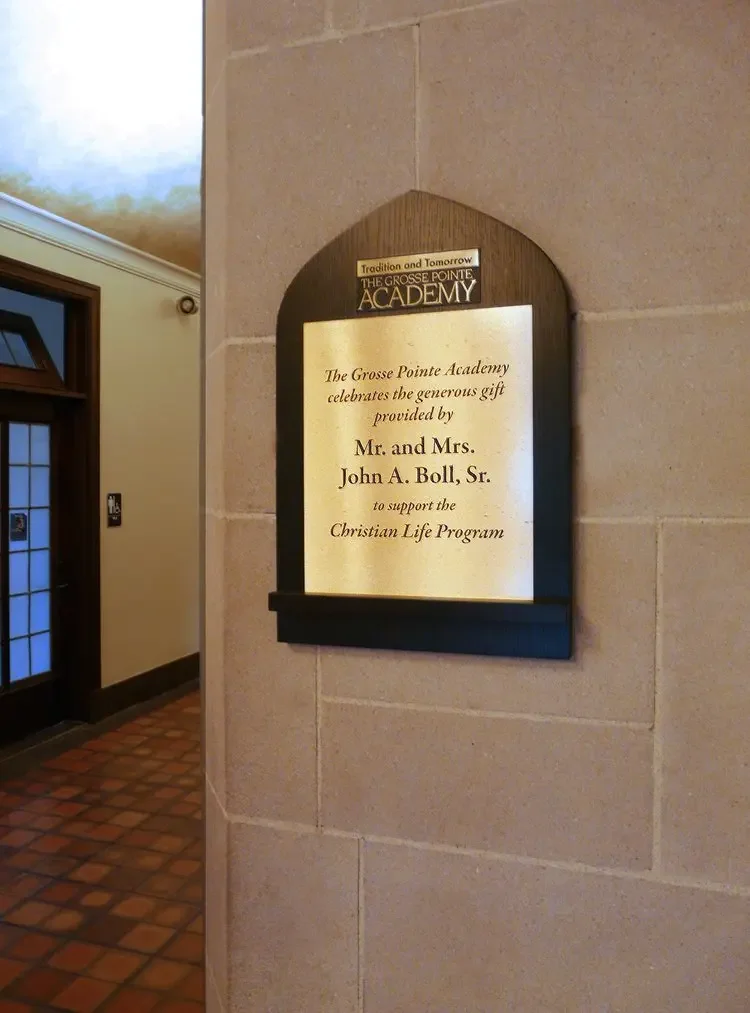
These permanent or semi-permanent displays, such as elegantly Crafted Plaques Programs for Institutional, serve as powerful tools to acknowledge contributions, achievements, or support within an organization. They shine a spotlight on donors, sponsors, or individuals who play a pivotal role in advancing a mission. Beyond their functional role of recording gifts, these custom markers reinforce transparency, gratitude, and accountability.
Difference between plaques, donor walls, and recognition signage
While they serve related purposes, these elements differ significantly in scale and flexibility. A single custom marker typically highlights a specific donor or isolated contribution. Conversely, a donor wall is a larger, structured system built to recognize multiple contributors across various giving levels. Broad recognition signage encompasses directional signs, naming displays, and other branded elements seamlessly integrated into a facility's architecture.
Common use cases across hospitals, universities, museums, and nonprofits
Organizations utilize these displays in a variety of highly visible contexts:
Hospitals: Marking donor-funded wings, specialized equipment, or integrating digital donor walls for healthcare directly into patient care areas.
Universities: Designating endowed chairs, scholarships, and named academic spaces with dynamic digital donor walls for universities.
Museums: Highlighting support for exhibitions, galleries, and specialized community programs.
Nonprofits: Commemorating major gifts and celebrating critical campaign milestones.
Why a Plaque of Recognition Is More Than Just a Display
Connecting donor recognition to mission and impact
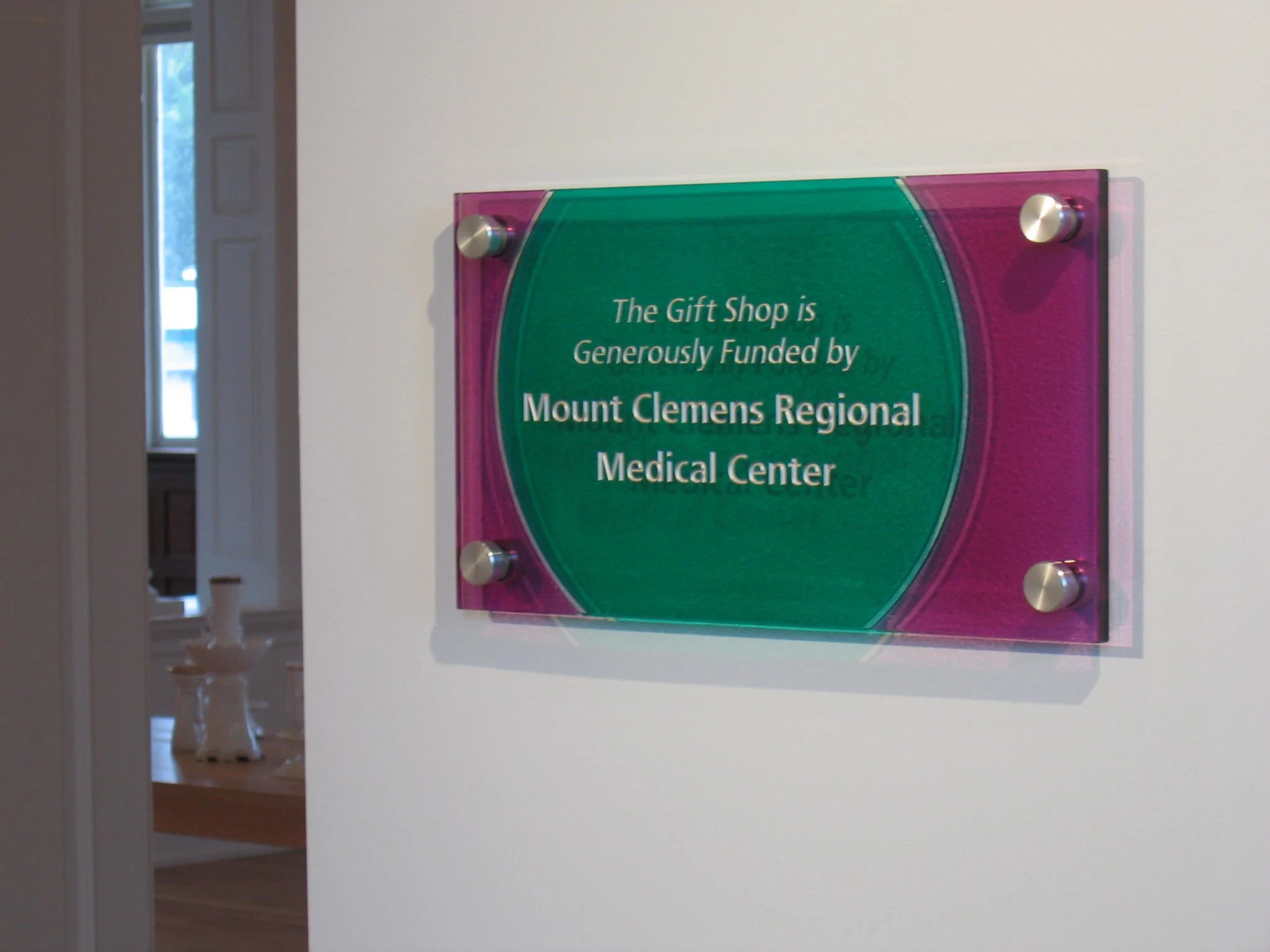
A thoughtfully designed tribute directly links a financial contribution to the organization’s core mission. It visually communicates how a sponsor's support translates into tangible outcomes—like improved healthcare services, expanded educational programs, or broader community impact.
Building long-term donor relationships through visible acknowledgment
Non-profit development teams are often under immense pressure to impress contributors, board members, and leadership. Visible acknowledgment in a physical space relieves some of this pressure by building trust and demonstrating that the organization deeply values its supporters, thereby helping to build donor loyalty to your organization and encourage continued engagement.
The role of recognition plaques in fundraising strategy
These installations are strategic tools that support tiered giving structures, naming opportunities, and overall campaign visibility. A cohesive recognition system creates clear, structured acknowledgment that aligns perfectly with ambitious fundraising goals.
When to Use a Plaque of Recognition in Your Organization
Campaign milestones and major gifts
Marking key fundraising milestones or highlighting major individual gifts is a classic application. These displays provide a permanent, physical record of significant contributions tied to specific, high-stakes campaigns.
Named spaces, rooms, and endowments
Naming opportunities frequently utilize dedicated signage for rooms, buildings, or endowed programs. This creates a clear, lasting association between the benefactor’s name and a vital physical or programmatic asset.
Legacy giving and memorial recognition
Planned gifts, memorial contributions, and tribute donations require a thoughtful touch. Memorial markers focus on dignified, long-term acknowledgment rather than event-specific or campaign-driven recognition.
Facility expansions and capital campaigns
Navigating tight deadlines for grand openings or donor events can be incredibly stressful. Aligning the installation of capital campaign markers with project completion ensures that contributions tied to major expansions or renovations are celebrated right on schedule.
Types of Plaques of Recognition Used in Institutional Environments
Wall-mounted plaques for permanent recognition
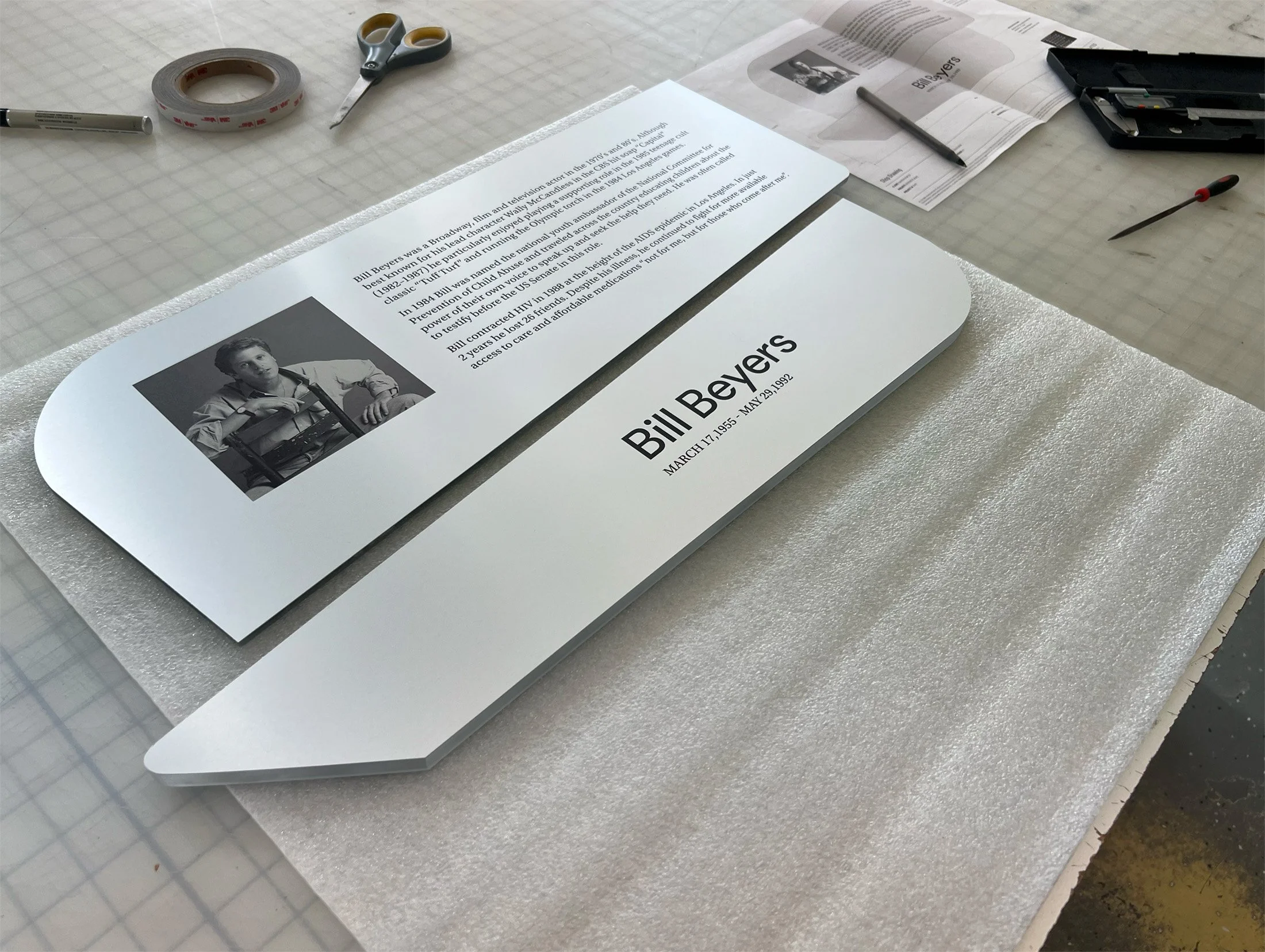
Institutions often rely on traditional engraved installations made from highly durable materials to withstand heavy traffic in high-traffic areas over the long term.
Room and naming plaques for dedicated spaces
Serving as elegant identifiers, these pieces label specific areas linked to a financial gift, typically displaying names, giving levels, and a brief contextual note.
Modular and updatable plaque systems
Designed for growth, modular setups allow organizations to add or update names over time seamlessly. This highly scalable approach helps eliminate the stress and expense of future complete redesigns.
Digital and hybrid recognition solutions
Interactive screens can be beautifully integrated with traditional physical elements. These hybrid systems combine the permanence of physical displays with the dynamic, easily updatable storytelling of digital monitors.
How to Design a Plaque of Recognition That Aligns with Your Mission
Define the purpose and audience of the plaque.
Start with absolute clarity to cut through the often overwhelming array of design choices. Determine whether the goal is to honor a single individual, celebrate a milestone, or communicate a broader institutional message to visitors, stakeholders, and internal teams.
Establish donor hierarchy and recognition levels.
Setting rigid hierarchy levels early on guarantees consistent and fair acknowledgment. This predefined structure dictates the placement, size, and prominence of each name.
Align design with institutional branding and architecture.
The final product must act as an artistic expression of your brand. Colors, materials, and the overall aesthetic should blend seamlessly with the surrounding environment rather than feel like disconnected, generic signage.
Balance readability, aesthetics, and durability
The physical marker must remain pristine and legible for decades. Using clear typography, smart spacing, and rugged materials ensures the installation can support long-term use without sacrificing its visual appeal.
Key Elements Every Plaque of Recognition Should Include
Donor names and recognition tiers
Accuracy is non-negotiable. Grouping names meticulously by giving tiers ensures utter clarity and absolute fairness in acknowledgment.
Messaging that reflects mission and gratitude
Keep the gratitude profound but concise. Avoid overly complex language, focusing instead on a clear, heartfelt connection to the organization's core purpose.
Dates, milestones, and campaign context
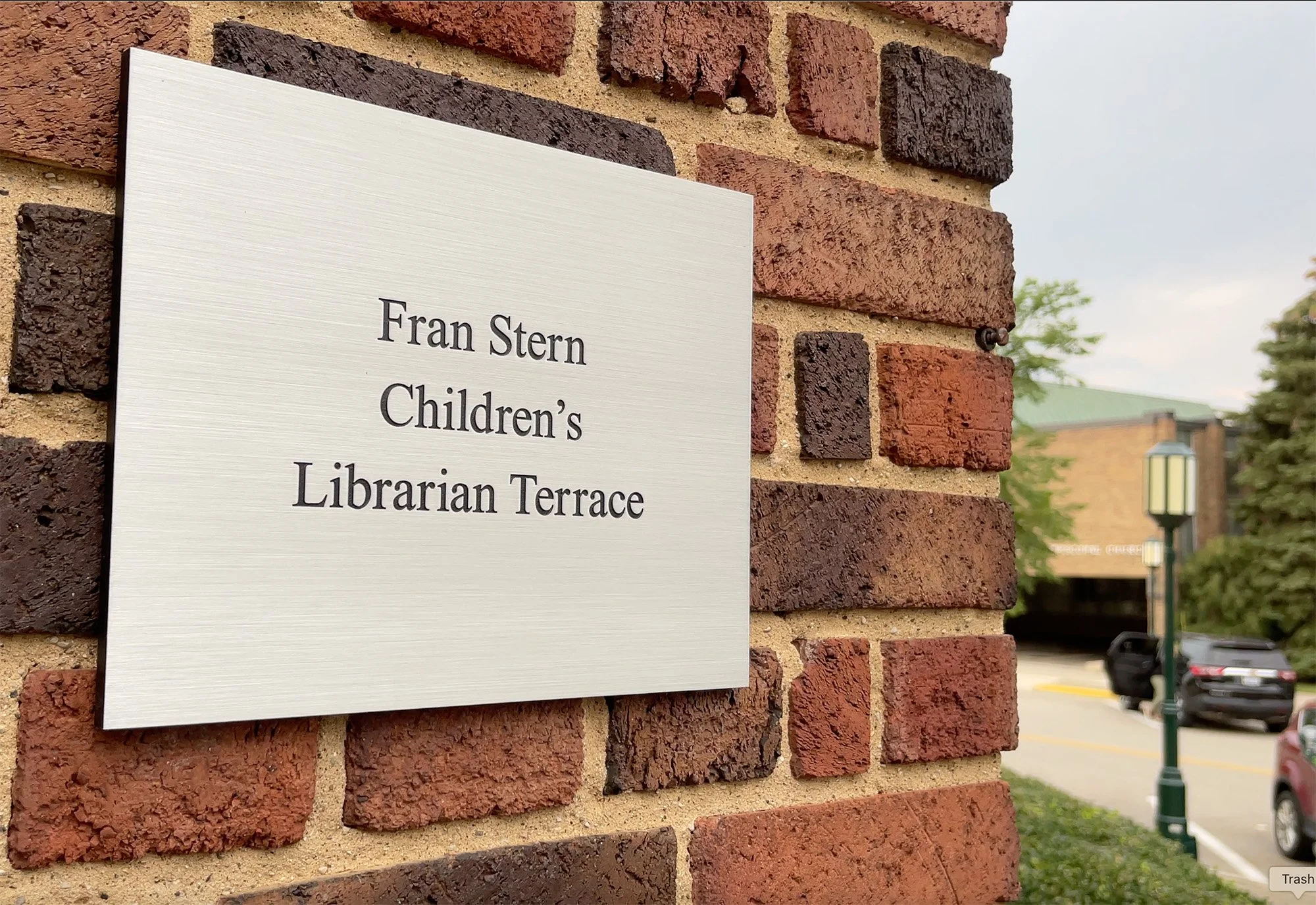
Anchoring the gift in time with relevant dates or campaign details provides necessary context, helping future generations grasp the historical significance of the support.
Logos, typography, and visual consistency
Maintaining strict adherence to brand guidelines regarding logos and fonts improves readability and creates a unified aesthetic across the entire campus or facility.
Materials and Finishes for High-Quality Recognition Plaques
Metal plaques, including bronze, aluminum, and stainless steel
Engraved metals deliver a formal, authoritative appearance. Bronze, aluminum, and stainless steel are industry standards for permanent, prestigious installations.
Acrylic, glass, and contemporary materials
For a sleeker, modern look, acrylic and glass allow for stunning layered or dimensional designs that fit perfectly within contemporary architectural spaces.
Wood and traditional plaque finishes
Offering a warm, classic aesthetic, wood finishes remain a popular, distinguished choice in academic, religious, or historic settings.
Durability, maintenance, and long-term considerations
Choosing the right material requires assessing environmental conditions and cleaning protocols. Investing in durable materials upfront drastically reduces long-term maintenance headaches and replacement costs.
Layout and Placement Strategies for Maximum Visibility
Choosing the right location within a facility
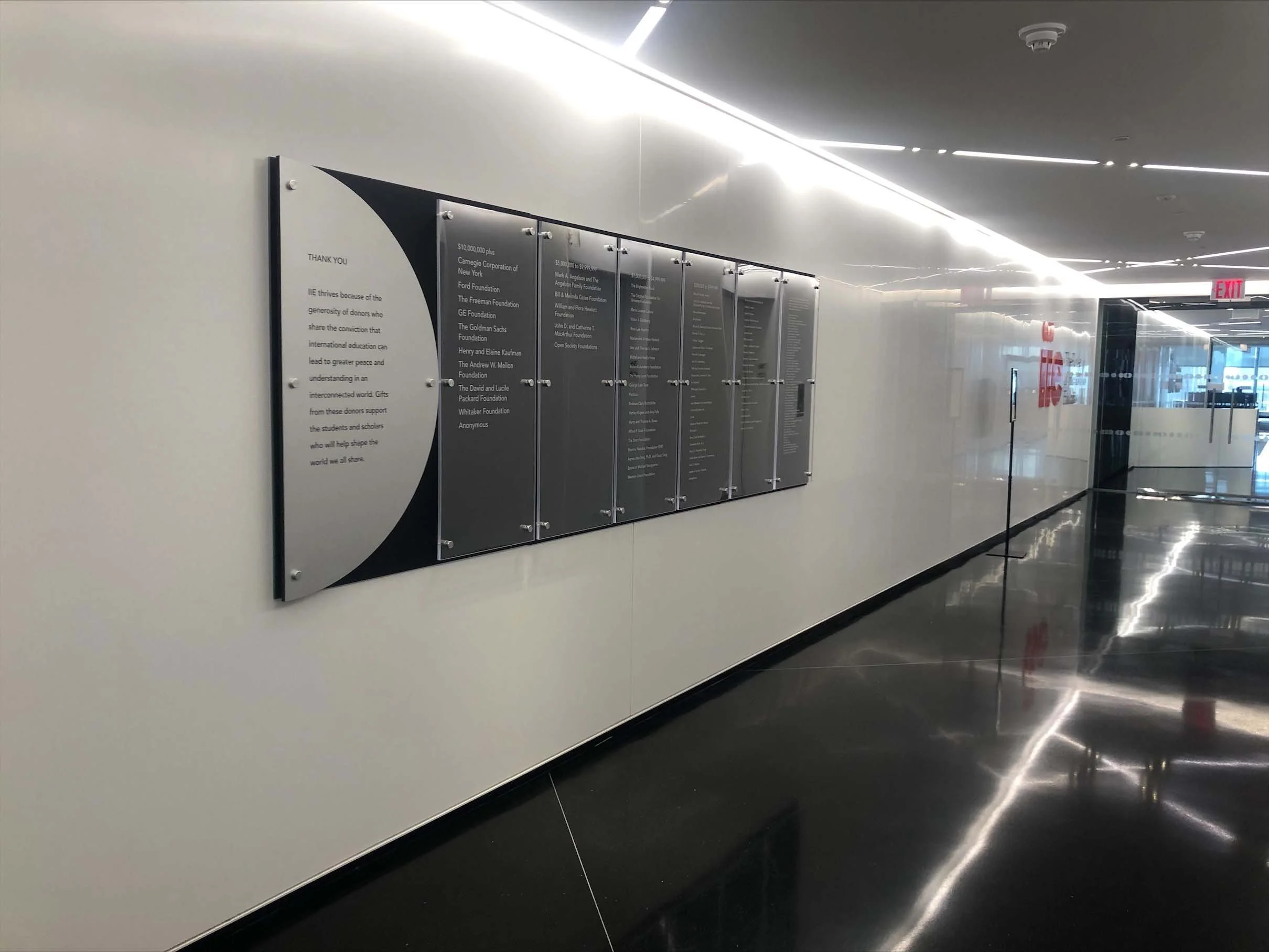
High-traffic, highly visible zones like main entryways, bustling corridors, or central gathering spaces ensure the tribute is frequently seen and appreciated.
Creating a cohesive recognition environment
Individual markers shouldn't exist in a vacuum. They need to harmonize with the existing donor walls and the overall facility aesthetics to improve the overall spatial presentation.
Ensuring accessibility and readability
Universal design matters. Installations must be placed at appropriate heights, with text easily legible from standard viewing distances, to ensure everyone can engage with the display.
Integrating plaques with donor walls and signage systems
Weaving individual tributes into broader wayfinding or massive donor wall systems creates a deeply unified, immersive recognition experience for visitors.
Common Mistakes to Avoid When Designing a Plaque of Recognition
Overcrowded layouts and poor readability
Cramming too much text onto a single surface ruins clarity. Maintaining generous negative space and limiting copy to the absolute essentials is critical.
Lack of scalability for future donors
Fixed designs that leave no room for future generosity quickly become outdated. Utilizing modular, scalable systems is the smartest way to address institutional growth.
Misalignment with branding or architecture
Displays that clash with their environment feel cheap and disconnected. True recognition design must faithfully reflect the organization's established visual standards.
Choosing materials that do not age well
Selecting subpar materials leads to fading, corrosion, or damage over time. Premium material selection is vital to maintaining a dignified appearance over decades.
In museum environments, plaque design must align with curatorial standards and architectural context. Learn how plaque programs for museums and galleries are designed to complement collections rather than compete with them.
Plaque of Recognition vs Donor Wall: Choosing the Right Approach
When plaques are the right solution
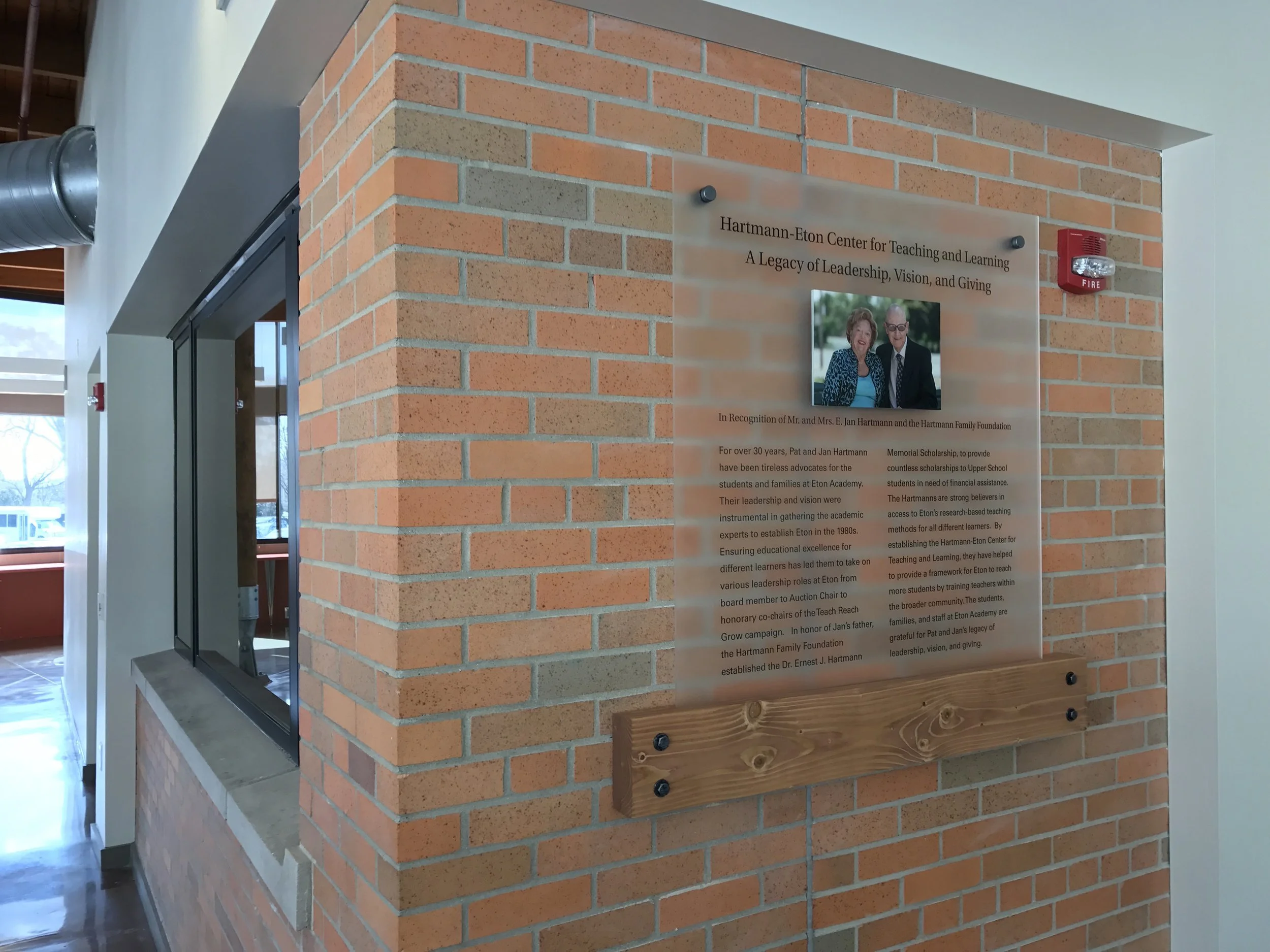
Individual markers excel at focused acknowledgment—perfect for naming a specific room, honoring a singular major gift, or dedicating a targeted space.
When a donor wall is more effective
For large-scale recognition involving dozens or hundreds of contributors and complex, structured giving levels, a comprehensive donor wall offers the necessary capacity and visual impact.
Combining plaques with larger recognition systems
The most strategic organizations layer their acknowledgment, using smaller, focused tributes to complement a central, massive recognition system for maximum impact.
The Value of a Strategic Design-Build Approach for Recognition Plaques
Benefits of working with a specialized donor recognition partner
Treating donor recognition like generic signage is a recipe for frustration. Partnering with a specialized design-build team ensures consistency, exceptional craftsmanship, and total alignment with institutional goals, eliminating the risks inherent in the gap between concept and fabrication.
From concept to installation: a guided process
Non-profit teams often feel overwhelmed by the pressure to deliver. A guided, turn-key process spanning discovery, purposeful design, and expert fabrication ensures your team never feels alone. It guarantees the final product meets both functional needs and tight event deadlines without the usual stress.
Ensuring consistency across plaques, walls, and signage
Expert coordination across every single element creates a beautiful, unified system that strengthens brand presence and honors supporters cohesively.
Healthcare plaque design must account for infection-control standards, accessibility requirements, and wayfinding integration. See how we approach plaque programs for hospitals with these clinical considerations built in from day one.
Future-Proofing Your Plaque of Recognition
Designing for updates and expansion
The best designs are built to evolve. Incorporating scalable, modular systems means new names can be seamlessly added without triggering a massive, expensive redesign.
Incorporating digital elements where needed
Digital displays or interactive monitors can be incredibly powerful, offering flexible updates and deeper storytelling that beautifully complements physical installations.
Maintaining relevance over time
Recognition that is difficult or expensive to update quickly loses its value. Forward-thinking design ensures the installation remains accurate, visually stunning, and highly relevant for generations.
Final Thoughts: Creating Recognition That Resonates Beyond the Plaque
Aligning recognition with institutional values
At its core, honoring supporters is an artistic expression of your mission. When the design flawlessly reflects institutional values, the messaging resonates deeply with everyone who walks through the doors.
Designing for both present acknowledgment and future growth
Successful recognition effortlessly balances the need to celebrate today's milestones with the flexibility to embrace tomorrow's generosity.
Elevating donor experience through thoughtful recognition
Ultimately, thoughtful design turns donor stories into meaningful displays. By providing clear, beautifully crafted tributes, organizations elevate the donor experience, communicate profound appreciation, and inspire a lasting connection to the cause.
Ready to elevate your recognition strategy? If you are looking for a supportive partner to guide you through a stress-free, design-build process, contact DonorSigns today. Let's schedule a discovery call and turn your donor stories into meaningful, beautiful displays that your organization can be truly proud of.
FAQs
1. How do you decide between a plaque of recognition and a donor wall for your organization?
The choice depends on scale, purpose, and future growth. A plaque of recognition works best for individual contributions, named spaces, or specific milestones. A donor wall is more effective when you need to recognize multiple donors across giving levels. If your organization expects ongoing contributions and frequent updates, a donor wall or modular system provides better flexibility. For fixed recognition tied to a specific space, plaques offer clarity and permanence.
2. What factors should be considered when planning a scalable plaque of recognition system?
A scalable plaque system requires planning for future additions. Key factors include available space, donor hierarchy structure, and update frequency. Organizations should also consider modular designs that allow names to be added without replacing the entire plaque. Material durability and consistent formatting help maintain visual continuity as the system grows.
3. How can a plaque of recognition support long-term donor engagement rather than just a one-time acknowledgment?
A plaque supports long-term engagement when it clearly connects the donor to ongoing impact. Instead of listing only names, it should reflect the mission, purpose, and context of the contribution. Consistent visibility within the facility reinforces recognition over time. When donors see their contribution integrated into the organization’s environment, it strengthens trust and encourages continued support.
4. What are the most common design challenges in donor recognition plaques, and how can they be avoided?
Common challenges include overcrowded layouts, unclear hierarchy, and poor material selection. These issues reduce readability and limit future updates. To avoid them, organizations should define recognition levels early, use clean typography, and leave space for expansion. Choosing durable materials also prevents long-term maintenance issues.
5. How do you ensure a plaque of recognition aligns with both branding and the physical space?
Alignment requires coordination between design and environment. The plaque should match the institution’s branding through colors, fonts, and tone while also fitting the architectural context. This means considering wall finishes, lighting conditions, and viewing distance. A well-integrated plaque feels like part of the space rather than an added element.