
Nonprofit leaders planning a donor wall for 2027 face different questions than they did five years ago. Donor lists change faster, campaigns overlap, and boards want recognition that still looks right a decade from now. The encouraging news is that the strongest trends point toward smarter planning, not flashier technology.
The short answer: The donor wall trends that matter most heading into 2027 are hybrid physical and digital recognition, modular systems built for updates, impact storytelling, legacy giving recognition, visible giving pathways, brand-integrated design, accessibility from day one, and lifecycle planning. Each trend connects to a decision your team will face, from how you list names to who keeps the wall current.
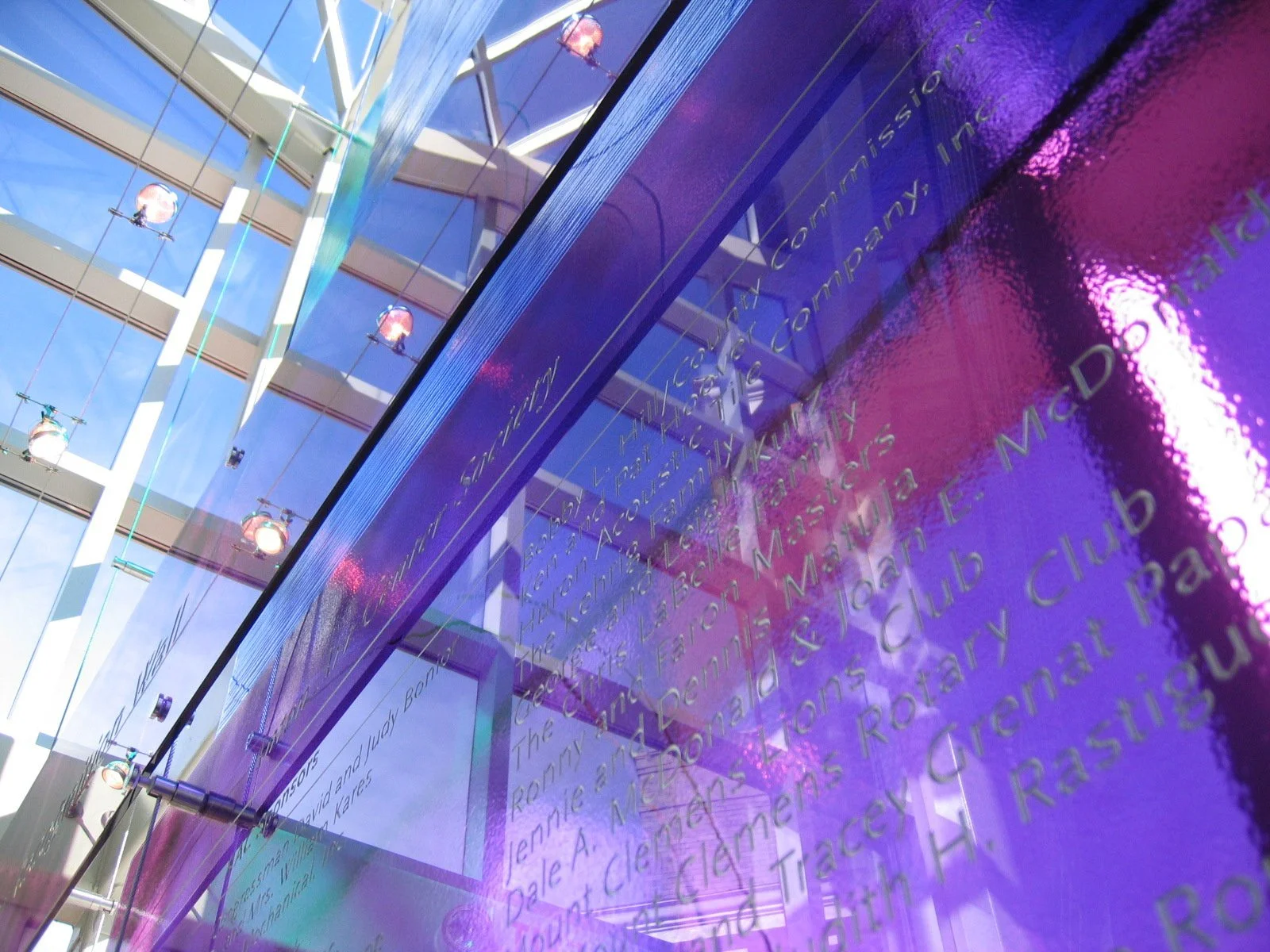
Why Donor Wall Design Keeps Changing
Recent data explains much of the shift. Giving USA 2026, published by the Giving USA Foundation and researched by the Indiana University Lilly Family School of Philanthropy, estimates that U.S. charitable giving reached $617.20 billion in 2025. Bequest giving rose 19.7% to $62.19 billion, the largest increase of any source.
Participation tells a more complicated story. The Association of Fundraising Professionals notes that Fundraising Effectiveness Project data points to a shrinking donor base and continued dependence on major and "supersize" donors. For recognition planners, that combination matters. Your wall needs to honor fewer, larger gifts without overlooking loyal supporters at every level. It also needs room for legacy commitments that may take years to realize.
Facilities shape the conversation too. Many organizations share lobbies across programs, renovate in phases, or run more than one campaign at a time. A fixed, single-campaign wall rarely fits that reality.
8 Donor Wall Trends for Nonprofits to Watch
1. Hybrid Recognition Becomes a Core Planning Question
More planning teams now ask how physical and digital formats can work together rather than choosing only one. In a common hybrid approach, a permanent physical wall honors leadership donors and naming gifts, while a nearby digital donor wall carries searchable donor lists, campaign stories, and new names.
Hybrid recognition works best when each format has a clear job. The physical wall signals permanence and gratitude. The screen handles volume and change. Hybrid is not the right answer for every organization, though. A small donor list with infrequent updates may not need a screen at all. To compare the options in detail, read our guide to physical vs. digital vs. hybrid donor walls.
2. Modular Systems Built for Updates
Many older donor walls felt finished on installation day. Today, careful planners design for year five as thoughtfully as they design for opening day. Modular panels, interchangeable name plates, and reserved expansion space let teams add names without rebuilding the wall.
Picture a community food bank that closes a capital campaign while its annual giving society keeps growing. A modular custom donor wall lets the campaign section stay fixed while the society section expands each year. Before you approve a design, ask three questions: How will we add names? Who will handle updates? How long will each update take?
3. Storytelling Joins the Name List
Names alone rarely explain impact. More donor recognition walls now pair names with mission stories, such as a short campaign narrative, a timeline, photos, or beneficiary quotes the organization has permission to share. Some teams add QR codes that link to longer stories online.
Digital displays handle video and rotating content well, and they make features such as donor search practical for large lists. Physical walls usually work best with one carefully edited headline story rather than paragraphs of text.
4. Legacy and Planned Giving Recognition Gains Space
The recent growth in bequest giving gives organizations a strong reason to thank legacy society members while those donors are still living. Many planners now reserve a defined section for legacy commitments, tribute gifts, and memorial recognition.
This trend calls for careful policy work. Decide whether you will recognize documented intentions, realized gifts, or both, and confirm wording with each donor or family. A coordinated donor plaque program can extend memorial and tribute recognition into chapels, gardens, or program rooms.
5. Visible Giving Pathways for Mid-Level Donors
When fewer households give, keeping loyal supporters engaged matters more. Well-defined giving levels on a wall show donors where they stand today and what the next tier looks like. Development officers can also reference that structure in cultivation conversations.
Keep the structure simple. Too many tiers crowd the design and confuse visitors. Most importantly, treat every level with dignity so a first-tier donor feels thanked, not ranked. Some organizations choose a flatter structure for the same reason, especially when inclusivity sits at the center of their culture.
6. Recognition That Matches the Brand and the Building
Development and facilities teams increasingly expect recognition to look like part of the building, not generic signage added at the end. Strong projects tie the donor wall into the surrounding architecture, wayfinding, and environmental graphics through shared typefaces, materials, and color palettes.
This approach benefits from early coordination across strategy, design, fabrication, and installation. DonorSigns, for example, can design donor walls, plaques, and wayfinding as one coordinated program or integrate recognition into an existing signage system. Our custom Donor design services outlines the process from strategy and concept design through fabrication and installation.
7. Accessibility Moves to the Front of the Design Process
Touchscreens, kiosks, and wall-mounted elements need to work for every visitor. The 2010 ADA Standards for Accessible Design set an unobstructed side reach range of 15 inches minimum to 48 inches maximum above the floor. They also limit wall-mounted objects with leading edges between 27 and 80 inches above the floor to a 4-inch protrusion into circulation paths.
Accessibility goes beyond mounting height. Plan for strong text contrast, readable type sizes, captions for video, and enough clear floor space for a person using a wheelchair to approach the display. Ask your architect or accessibility consultant to confirm the requirements that apply to your site.
8. Lifecycle Planning From Day One
Planners now budget for the full life of a wall, not just the installation. That includes cleaning, lighting, staff time for content management, eventual screen replacement, and what happens to retired components. Our donor recognition materials guide explains how different materials age and what to avoid.
For digital elements, confirm who manages content, how support works, and how the display fits into the surrounding millwork. For physical elements, ask whether frames and mounting systems can accept new panels later.
Which Donor Wall Trends Fit Your Organization?
Not every trend belongs in every project. Use this table to match trends to your situation.
| Trend | Best fit for | Key question to ask |
|---|---|---|
| Hybrid recognition | Large or growing donor lists with a major campaign | Which donors belong on the permanent wall, and which belong on screen? |
| Modular systems | Organizations with annual societies or phased campaigns | How many names will we add each year? |
| Storytelling | Missions with strong visual or human stories | Who will gather and approve stories over time? |
| Legacy recognition | Organizations with planned giving programs | Do we recognize intentions, realized gifts, or both? |
| Visible giving pathways | Programs focused on retention and upgrades | Do our tiers reflect our actual gift distribution? |
| Brand integration | New construction and major renovations | Can recognition share materials and type with wayfinding? |
| Accessibility | Every project, especially interactive displays | Has someone confirmed reach ranges and clear floor space? |
| Lifecycle planning | Teams with limited staff or tight budgets | What will this wall take to maintain in year five? |
How These Trends Look in Different Settings
The same trends play out differently depending on the building and the audience. Here is how planning teams often adapt them by sector.
Hospitals and healthcare systems. Memorial and tribute gifts carry deep meaning in clinical settings, so many teams give them a quiet, dignified space away from busy entrances. Calm design and easy-to-clean surfaces matter as much as visibility. Explore donor recognition for healthcare for more ideas.
Universities and colleges. Campuses often recognize class gifts, scholarships, and building campaigns at the same time. A hybrid approach can help here, because a digital display can sort names by class year or fund while a physical wall honors leadership gifts. See donor recognition for universities.
Museums and cultural institutions. Recognition must respect the exhibits around it. Teams tend to favor restrained materials, careful lighting, and storytelling that feels like part of the visitor experience rather than an advertisement. Learn more about donor recognition for museums.
Faith-based and community organizations. Some communities prefer modest, collective recognition over individual prominence. Group listings, a shared dedication statement, or a single legacy panel can honor generosity in a way that fits the culture of the congregation or neighborhood. Our page on donor recognition for nonprofits and foundations covers related approaches.
How to Apply Donor Wall Trends Without Chasing Fads
Trends help only when they serve your donors and your space. Use this checklist before you commit to a direction:
Start with your recognition policy and giving levels, then design.
Estimate how many names you expect to add each year.
Name the staff member who will own updates.
Walk the space early with facilities staff and your architect.
Ask for a long-term update plan, not just an installation date.
Share early concepts with a few trusted donors and board members.
The right donor wall design depends on your space, donor list size, update frequency, budget, campaign goals, accessibility needs, content plans, and maintenance capacity. A trend that suits a university lobby may overwhelm a small community center.
Plan a Donor Wall That Still Feels Current in 2030
The best donor walls do not chase novelty. They give gratitude a permanent home, make room for tomorrow's donors, and tell the story behind the gifts. When you plan for updates, accessibility, and storytelling from the start, your wall keeps working long after the ribbon-cutting.
DonorSigns helps nonprofits, hospitals, universities, and cultural institutions turn these ideas into recognition that fits their mission and their building. Book a discovery call with DonorSigns to discuss your goals, space, and next steps.
Frequently Asked Questions
1. Are digital donor walls replacing traditional donor walls?
Not for most organizations. Many combine the two, using a physical wall for permanent leadership recognition and a screen for searchable lists and stories. The right mix depends on donor list size, update frequency, and available space.
2. How often should a nonprofit update its donor wall?
Many organizations tie updates to their giving cycle, such as once a year for annual societies and at campaign milestones. Your recognition policy should state the schedule so donors know when to expect their names.
3. How many giving levels should a donor wall show?
Use only as many levels as a visitor can understand at a glance. Base the tiers on your actual gift distribution rather than copying another organization's structure.
4. Can a small nonprofit create a modern donor wall on a limited budget?
Yes. Many smaller organizations start with a well-designed physical core and reserve space or infrastructure to add digital content later. Costs vary widely by size, materials, and features, so a discovery conversation helps define a realistic scope.
5. How do you list names on a donor wall?
Many walls list names alphabetically within each giving level and follow written rules for name formats, couples, and anonymous gifts. Confirm each donor's preferred wording in writing before fabrication.