
What Makes a Custom Donor Wall Worth the Investment in 2027
A custom donor wall represents a meaningful investment, so nonprofit and institutional leaders should expect it to do more than decorate a lobby. The strongest recognition systems honor generosity, reflect the organization’s mission, support donor stewardship, fit naturally within the surrounding architecture, and accommodate future changes.
A poorly planned wall can create challenges after installation. Staff may struggle to update names, accommodate new giving levels, correct information, or adapt the display for future campaigns. Thoughtful planning helps organizations avoid those problems.
The value of a custom donor wall therefore comes from more than its appearance. Organizations gain the most value when strategy, design, donor experience, fabrication, updateability, and long-term planning work together.
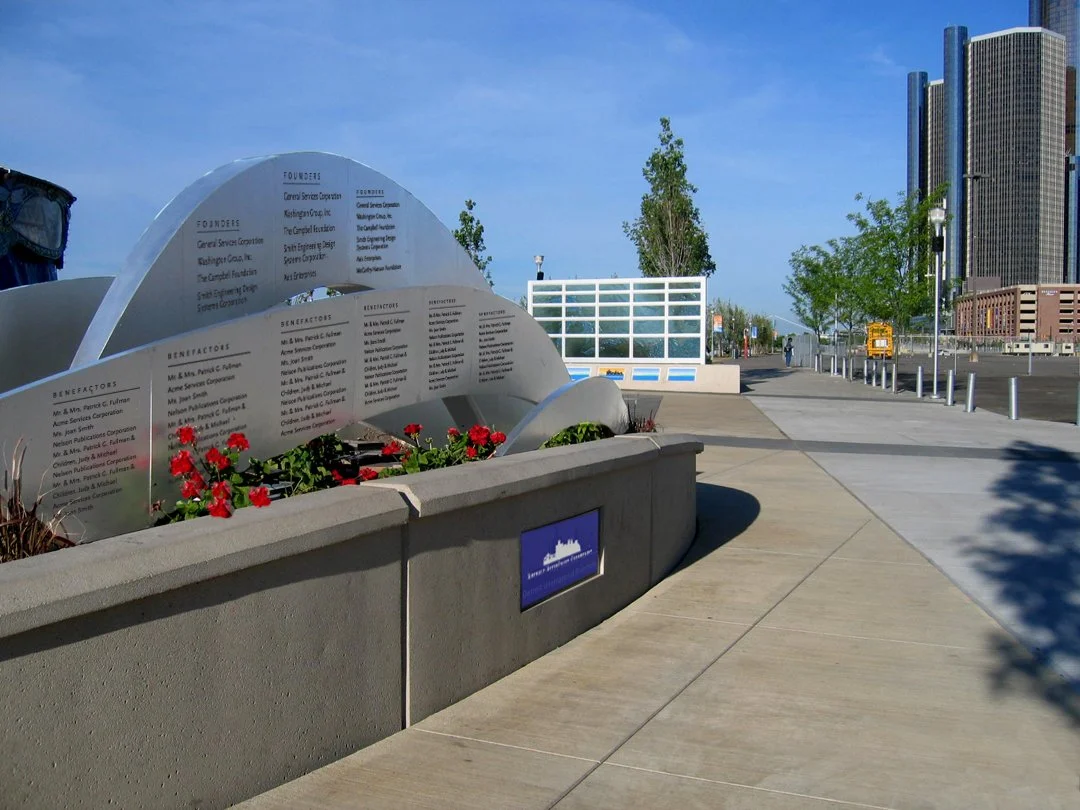
A Custom Donor Wall Is a System, Not Just a Sign
A standard sign usually communicates a specific message. A custom donor recognition wall must address several needs at once.
The organization may need to display hundreds of names, communicate donor levels, tell a campaign story, support future additions, coordinate with branding, and fit an existing architectural environment. Visitors also need to read and understand the recognition comfortably.
Those requirements make early planning important.
Two donor walls of similar size can serve organizations very differently. One may use a flexible structure that allows staff to update donor information over time. Another may use a fixed arrangement that works well for a completed campaign with a stable donor list.
Neither approach automatically provides greater value. The right solution depends on how the organization plans to use the recognition system.
What You Are Actually Investing In
1. A recognition strategy that fits your fundraising program
Much of the value of a custom donor wall begins before fabrication.
Organizations first need to determine who qualifies for recognition, how they will organize donor levels, whether the program tracks annual or cumulative giving, how leadership gifts appear, and how the system will handle future changes.
Clear policies help development teams communicate consistently with donors. They also give designers accurate information before they begin developing layouts.
When teams establish the donor structure early, designers can build recognition around real program requirements instead of trying to fit an evolving donor list into a completed visual concept.
This process also helps organizations identify privacy preferences, naming standards, approval responsibilities, and update procedures before those issues create delays.
2. A design that belongs in the building
A donor wall exists within a real architectural environment.
Lighting, sightlines, surrounding finishes, pedestrian flow, available wall area, viewing distance, and existing signage can all influence the design.
Different institutions also have different priorities. A healthcare organization may want recognition that feels calm and appropriate within a patient-centered environment. A museum may need a design that complements exhibition spaces. A university may need the wall to coordinate with campus branding and a complex advancement program.
Custom design lets teams consider those conditions from the start.
The goal should not simply be to make a donor wall noticeable. The display should feel intentional within the space while giving donors appropriate recognition.
A well-integrated wall can remain visually consistent with the building even when the organization designs individual donor elements for future updates.
3. A donor experience that goes beyond a list of names
A donor wall should acknowledge generosity respectfully and help visitors understand why that support matters.
Organizations can accomplish this through thoughtful name hierarchy, campaign information, mission language, photography, impact stories, dimensional elements, or digital content when those features support the recognition program.
Research also provides useful context for visible recognition. A randomized field experiment summarized by the Abdul Latif Jameel Poverty Action Lab found that offering public recognition affected charitable giving behavior in the setting researchers studied.
Organizations should interpret that finding carefully. It does not mean that installing a donor wall will automatically increase donations or produce a measurable financial return.
Instead, the research supports a more limited conclusion: public recognition can influence donor behavior in some circumstances, which makes thoughtful recognition a legitimate component of a broader fundraising and stewardship strategy.
4. Long-term flexibility
Organizations should consider how recognition needs may change after installation.
A donor list might grow. A donor could reach a different giving level. Staff may need to correct a name. A foundation might launch another campaign. A development team may also want to add new stories or recognize additional support categories.
Custom donor wall planning can account for those possibilities.
Depending on the program, the design might use replaceable donor elements, modular sections, planned expansion areas, digital content, or a combination of physical and digital recognition.
The best update strategy depends on the program itself.
A completed capital campaign with a stable donor list may require relatively few future changes. An annual recognition program may require regular additions. Planning around the real update cycle helps organizations avoid unnecessary redesign and fabrication later.
5. Materials selected for the environment
Material selection affects appearance, maintenance, durability, fabrication, and budget.
Organizations can use materials such as acrylic, metal, glass, wood, solid surfaces, or combinations of materials depending on the space and design goals.
However, no single material works best for every donor wall.
Teams should evaluate environmental conditions, traffic, lighting, cleaning practices, architectural character, desired appearance, updateability, and budget before choosing materials.
For example, acrylic can support layered and dimensional designs. Metal can create a refined institutional appearance. Glass can add transparency and depth. Wood can add warmth when the surrounding environment and maintenance requirements support it.
The design team should select materials because they fit the project, not because a particular material happens to look impressive in another organization’s donor wall.
How to Think About Donor Wall ROI
A donor wall does not operate like a paid advertising campaign with a straightforward cost-per-conversion calculation.
Its value often develops across stewardship, institutional storytelling, fundraising activity, operations, and the physical environment.
Organizations can evaluate the investment by identifying what they expect the recognition system to accomplish.
| Value Area | What to Evaluate |
|---|---|
| Stewardship | Does the organization recognize donors accurately, appropriately, and respectfully? |
| Fundraising support | Does the display help development teams communicate giving levels, campaigns, or leadership support? |
| Mission communication | Does the recognition connect generosity with organizational purpose? |
| Brand and environment | Does the wall fit the architecture and institutional identity? |
| Operations | Can staff manage donor changes without unnecessary redesign? |
| Longevity | Can the recognition system adapt to the organization’s expected future needs? |
This approach keeps ROI realistic.
Instead of claiming that a donor wall will generate a specific amount of additional revenue, organizations can evaluate indicators such as donor feedback, staff use, update requirements, maintenance needs, visitor engagement, and how development teams incorporate the display into tours or stewardship conversations.
Why Off-the-Shelf Can Cost More Over Time
A lower initial price doesn't always mean lower long-term costs.
An off-the-shelf or fixed recognition system may work perfectly for an organization with a small, stable donor list. However, the same format may become difficult to manage when an organization adds names regularly or changes recognition levels.
Before comparing options, teams should consider who owns it end to end.
Ask how staff will add new names, what happens when someone requests a correction, whether the design can accommodate growth, how replacement elements will match the existing system, and what future installation work may require.
Custom doesn't have to mean visually complicated.
In some situations, a straightforward modular framework offers more value than an elaborate display because it matches the organization’s donor counts, architecture, and update schedule.
The value comes from solving the right problem.
When a Digital Component Adds Value
Digital donor recognition can provide significant flexibility when organizations manage changing donor lists, multiple campaigns, limited physical space, or deeper storytelling needs.
A digital display can support donor names, photographs, video, campaign content, impact stories, searchable information, and multiple recognition categories.
Digital recognition also changes how organizations manage content.
Staff need a clear process to keep information accurate and decide who owns updates. Organizations should also consider hardware placement, technology support, accessibility, user experience, and the long-term content strategy.
A digital donor wall makes the most sense when it solves a genuine recognition need.
Some organizations may benefit from a hybrid system that combines permanent physical recognition with flexible digital content. Others may need only a physical display.
The Association of Fundraising Professionals provides one example of how recognition programs can include multiple donor categories and giving structures, including leadership and planned-giving recognition. Organizations with similarly complex programs may benefit from recognition systems that accommodate multiple donor groups.
Industry reference: Association of Fundraising Professionals - Donor Recognition/Giving Societies
Questions to Ask Before Approving the Investment
Before approving a donor wall project, leadership and development teams should answer several practical questions:
What fundraising or stewardship goal should the donor wall support?
Which donors qualify for recognition, and how will giving levels appear?
How many names does the organization need to recognize now and in the future?
How often will names, stories, campaigns, or giving levels change?
Can donors request anonymity or specify how their names appear?
What materials suit the architecture, traffic, lighting, and maintenance conditions?
Who will verify names and approve information before fabrication?
Who will manage future updates?
Could another campaign or facility expansion change the recognition program?
What physical, digital, or hybrid format best supports these requirements?
The answers should shape the project scope and budget.
If an organization has not yet determined how it will use, update, and maintain the recognition system, it may need additional planning before comparing fabrication options.
A Mini Example: Comparing Two Donor Wall Decisions
Consider a nonprofit that expects a substantial donor list at the close of a campaign and additional qualifying donors in future years.
One option uses a permanent printed panel that displays every donor name in a fixed layout. Another option uses a permanent architectural structure with replaceable donor-name elements and planned capacity for growth.
The first option may require less initial complexity. However, if the organization adds donors regularly, staff may eventually need to replace larger sections of the display.
The modular option may allow the organization to update individual donor elements while preserving the primary structure.
The example does not mean that the modular option always provides better value.
If the donor list will remain stable, a permanent panel could provide exactly what the organization needs. If the organization expects frequent changes, flexibility may justify additional planning or investment.
The organization should also establish an update workflow before installation. Staff should know who submits approved names, who checks spelling and recognition levels, how often updates occur, and where the team stores final donor records.
A consistent workflow helps protect both the donor experience and the recognition system over time.
Signs That a Custom Donor Wall Is Worth It
A custom approach often makes sense when donor recognition plays an important role in an organization’s fundraising, stewardship, visitor experience, or institutional environment.
Hospitals and healthcare foundations, universities, museums, cultural institutions, faith-based organizations, foundations, and nonprofits may all benefit from custom recognition when their programs require a tailored solution.
Custom planning becomes particularly valuable when an organization manages multiple giving levels, a large donor list, recurring updates, architectural requirements, complex branding, mission storytelling, or a prominent public location.
In those situations, poor planning can create consequences beyond appearance. It can increase staff workload, complicate updates, confuse donors, and weaken the recognition program's consistency.
How to Protect the Investment From the Start
Plan before promising recognition
Development teams should establish giving levels, naming standards, eligibility rules, and recognition formats before fundraisers make specific commitments to donors.
A clear policy reduces inconsistent promises and gives the design team reliable information.
Verify names before fabrication
Organizations should create a formal review process for donor names, titles, couples, businesses, family names, anonymous gifts, and other recognition preferences.
Staff should confirm final information before fabrication begins.
Accurate recognition remains one of the most important parts of the donor experience.
Budget for future updates
Organizations should consider future updates when planning the initial project.
Physical systems may require new name elements or periodic installation. Digital systems may involve content management, technology support, or hardware planning.
Understanding those responsibilities early helps teams plan for the recognition system beyond opening day.
Choose a location people can actually experience
Visibility matters, but organizations should consider more than traffic volume.
Visitors should be able to approach, read, and experience the wall comfortably without interfering with circulation or other activities.
The location should also support the tone of the recognition. A donor wall should feel connected to the organization and the story it tells.
Planning a Custom Donor Wall With DonorSigns
A worthwhile custom donor wall starts with clear goals, not a material sample or visual trend.
Before finalizing a design direction, organizations should define the recognition purpose, donor structure, location, update requirements, branding, storytelling needs, and long-term plans.
DonorSigns approaches custom donor walls with a strategy-led approach to design, fabrication, and installation planning, with attention to donor experience, architecture, operational requirements, and future growth.
Review DonorSigns’ custom donor wall services to explore a strategy-led approach to custom donor recognition.
For budgeting considerations, see How Much Does a Donor Recognition Wall Cost? and consider both the initial project and future update requirements.
For material planning, use the donor recognition materials guide. For design inspiration, browse donor wall ideas by recognition application.
Organizations planning a campaign can also explore donor recognition for capital campaigns, including donor levels, leadership recognition, naming opportunities, and long-term flexibility, before fabrication begins.
The value of a custom donor wall comes from how well it supports your donors, space, brand, and recognition program over time. DonorSigns combines strategy, custom design, fabrication, and installation planning to create recognition experiences that fit each organization’s specific needs. Review our custom donor wall solutions for more information, or discuss your donor wall project with our team when you are ready to explore the right approach for your organization.
Frequently Asked Questions
1. How much does a custom donor wall cost?
Costs vary according to factors such as size, donor capacity, materials, design complexity, technology, site conditions, installation needs, and future update requirements. Organizations should evaluate the complete project scope rather than assume that one standard price applies to every donor wall.
2. Is a custom donor wall worth the investment for a nonprofit?
It can provide strong long-term value when the organization needs a recognition system tailored to its donors, space, mission, brand, and plans. Organizations should evaluate value through stewardship, fundraising support, mission communication, operational flexibility, and long-term use rather than assume that a wall will directly generate additional donations.
3. What makes a donor wall custom?
A custom donor wall responds to an organization’s recognition goals, donor structure, mission, brand, architecture, available space, update needs, and long-term plans. Effective customization solves practical and donor-experience needs rather than adding decorative complexity without a purpose.
4. How long should a donor wall last?
No single lifespan applies to every donor wall. Materials, environment, maintenance, construction, technology, update frequency, and program changes all affect useful life. Organizations should discuss expected longevity and future updates during the planning process rather than rely on a universal number.
5. Should we choose a physical or digital donor wall?
Base the decision on donor volume, update frequency, storytelling needs, available space, staffing, budget, architecture, and long-term maintenance. Physical recognition can create a strong, permanent presence, while digital recognition can offer greater flexibility for updating donor information and adding deeper content. Some organizations benefit from combining both.