
How Different Industries Approach Donor Recognition (And What Decision-Makers Need to Know)
Donor recognition plays a critical role in how organizations acknowledge generosity, reinforce trust, and support long-term fundraising efforts. While the goal of gratitude is consistent across sectors, the way recognition is planned, designed, and executed varies widely by industry.
Understanding these differences helps decision-makers choose recognition approaches that are appropriate, sustainable, and aligned with organizational goals.
What Is Donor Recognition?
Donor recognition wall is the structured practice of acknowledging individuals, families, foundations, or organizations that financially support a mission. It serves as a visible expression of gratitude and a public record of generosity.
The purpose of these programs goes beyond simply saying "thank you." Well-planned recognition helps strengthen donor engagement, reinforces credibility, and supports future fundraising by demonstrating transparency and stewardship.
In the long term, recognition contributes to fundraising success by building confidence and encouraging continued support. A system that is accurate, consistent, and thoughtfully designed signals that the organization values relationships, not just transactions.
It is often confused with donor stewardship. Stewardship focuses on ongoing relationship management through communication and improving the donor experience. Donor recognition is the visible component of stewardship, centered specifically on how supporters are publicly acknowledged in the built environment.
Why Donor Recognition Strategies Vary by Industry?
Strategies vary because organizations operate under different missions, environments, and donor expectations. A healthcare facility, for example, must balance recognition with patient sensitivity, while a museum may emphasize storytelling and visitor engagement.
Donor motivation also differs by industry. Some supporters value legacy and permanence on a physical wall, while others prioritize impact, visibility, or privacy. These motivations influence formats, placement, and architectural integration.
Physical space and the audience play major roles. High-traffic public spaces require durable, readable materials, while quieter environments may support more detailed storytelling. The visitor experience often dictates whether the display is subtle, prominent, or interactive.
Compliance and privacy expectations further shape planning. Healthcare and education sectors often operate under stricter guidelines, making accuracy, approvals, and governance essential.
Churches, synagogues, and religious institutions require donor recognition that honors both the mission and the congregation's generosity. Explore our dedicated approach to donor wall recognition designed for sacred and community spaces.
Universities face unique recognition challenges—managing alumni networks, athletic boosters, and endowment contributors across sprawling campuses. See how we address these with custom university and higher education donor walls.
Donor Recognition in Nonprofit Organizations
Common Methods Used by Nonprofits
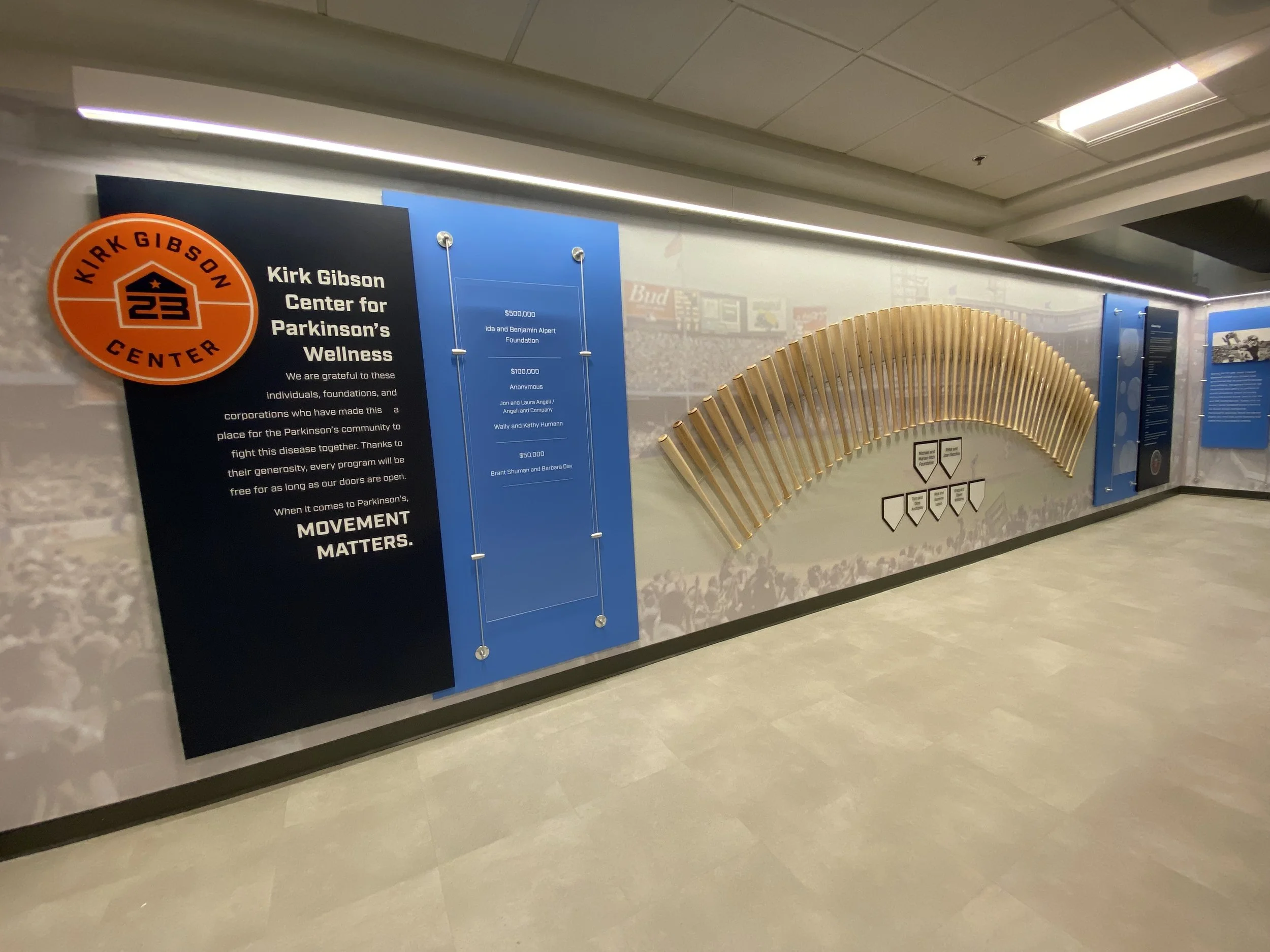
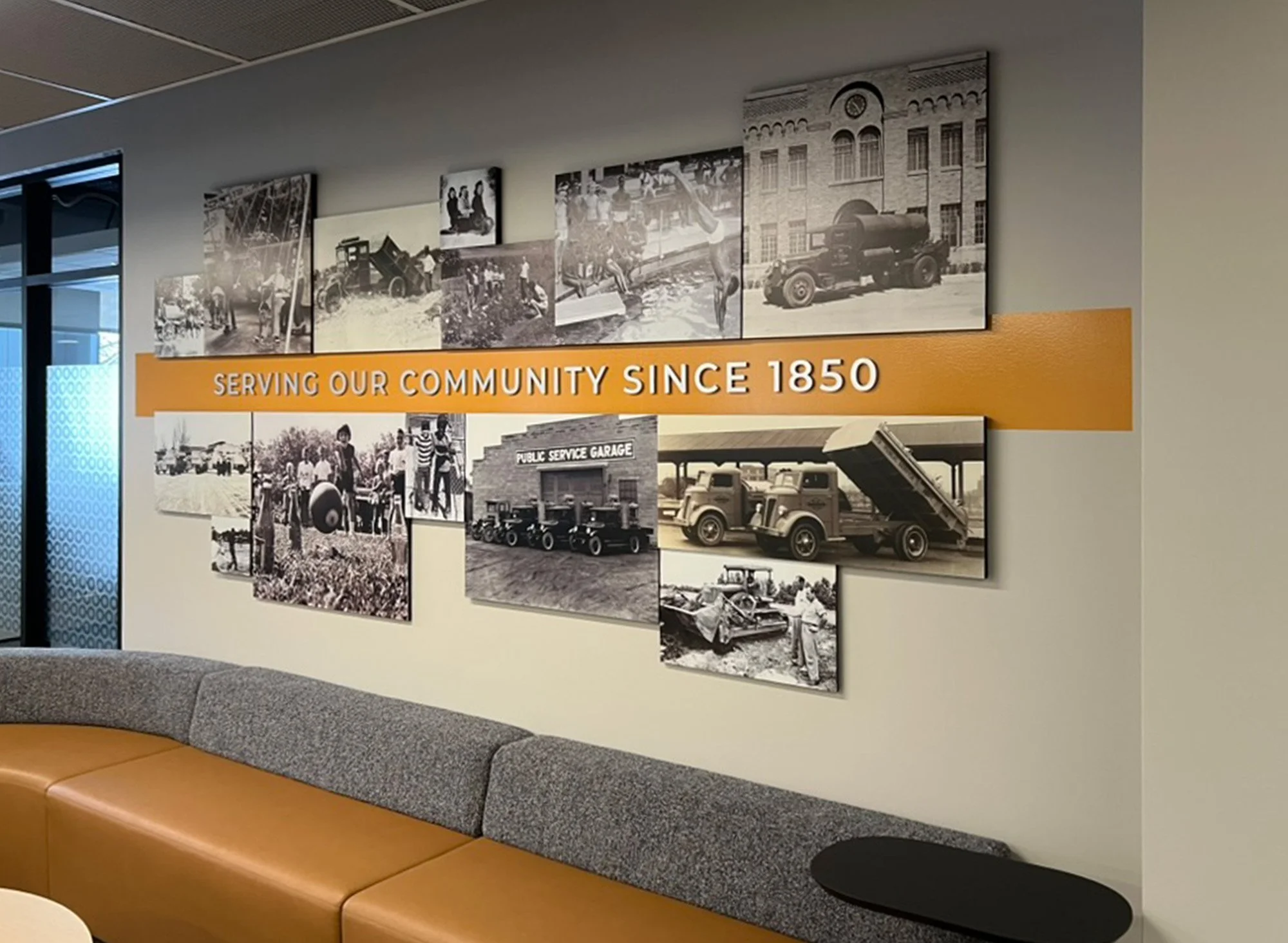
Nonprofit recognition often includes a mix of environmental and program-based approaches. Donor walls remain one of the most common solutions, offering public acknowledgment tied to capital campaigns or annual giving.
Recognition Donor Plaques are often used to honor rooms, programs, or facilities. Annual donor walls, both printed and displayed digitally, provide recurring acknowledgment for broad bases of support. Campaign-based recognition is often tied specifically to growth initiatives.
Key Challenges Nonprofits Face
Budget limitations are a consistent challenge. Many nonprofits must balance the cost of a high-quality display with fundraising priorities and operational constraints.
Frequent list updates can create accuracy issues, especially when systems are not designed for change. Limited physical space also restricts how many names can be displayed as the donor base grows.
What Works Best for Nonprofits
Scalable systems allow nonprofits to plan for future growth without repeated redesigns. Updateable donor walls (using magnetic slats or exchangeable panels) help maintain accuracy while reducing long-term costs.
Clear recognition hierarchies support fairness and transparency. When levels are well defined, supporters understand how their acknowledgment aligns with the impact of their contribution.
Donor Recognition in Healthcare Organizations
Unique Considerations in Healthcare Settings
Healthcare recognition requires deep sensitivity to patient privacy and emotional context. Tributes must respect the healing environment while still honoring contributions effectively.
Hospitals and medical centers experience high daily foot traffic and rigorous cleaning protocols, which influence material selection, durability, and readability. Many healthcare organizations also run multi-year capital campaigns, requiring displays that remain relevant over decades.
Common Healthcare Solutions
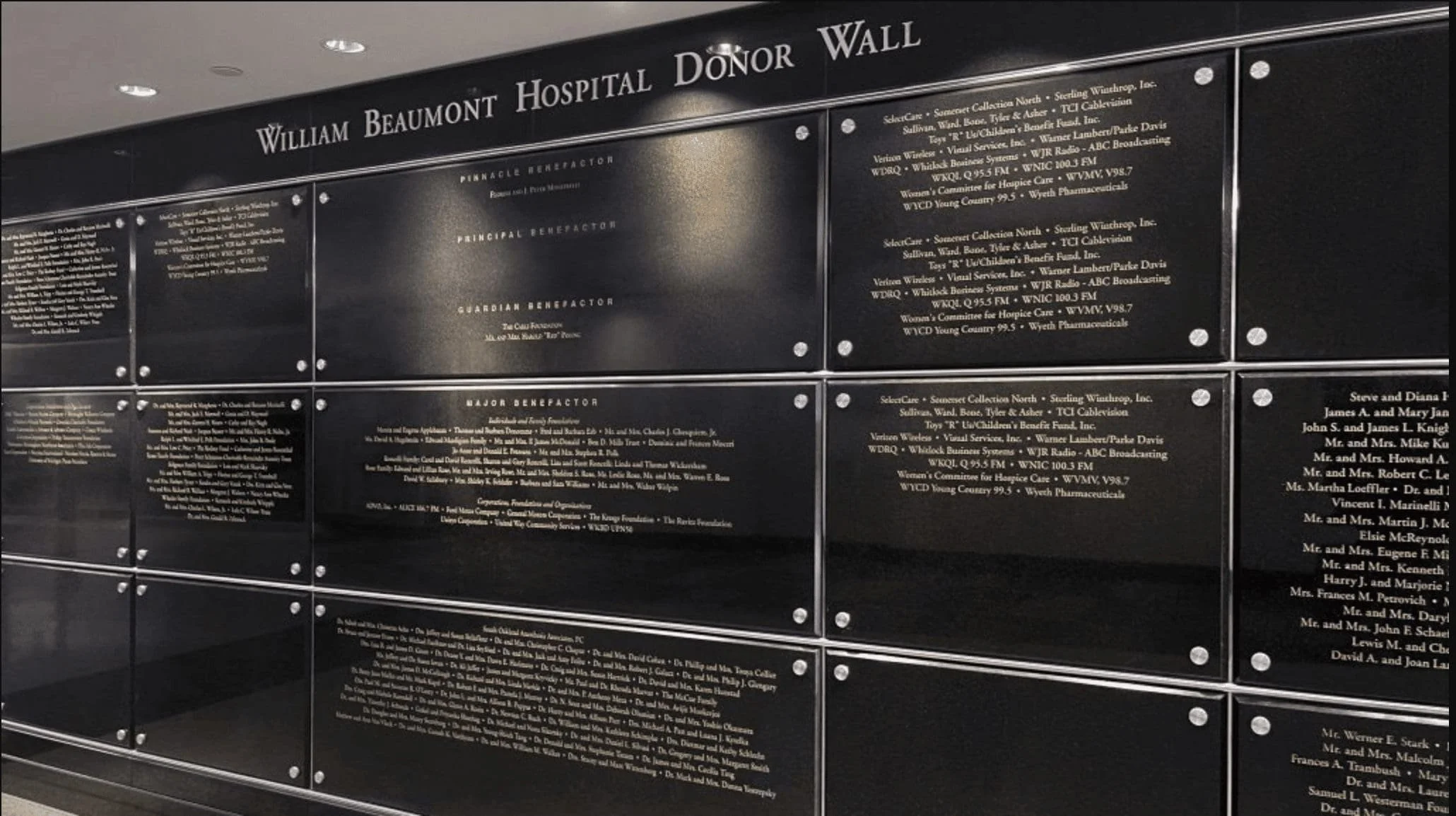
Permanent donor walls are commonly installed in high-visibility areas such as main lobbies or waiting areas. Digital donor walls are increasingly used here to manage frequent updates and highlight multiple campaigns without cluttering the walls. Room and space naming plaques remain standard, especially for clinical areas, research spaces, and specialized wings.
Room and space naming plaques remain standard, especially for clinical areas, research spaces, and specialized wings.
Best Practices for Healthcare Recognition
Clear naming policies help ensure consistency and fairness across large facilities. Durable materials are essential due to constant public interaction.
Easy update processes are critical. Healthcare donor lists often change, and the recognition system must support accuracy without requiring a full renovation every year.
Donor Recognition in Educational Institutions
Recognition Across Campuses
Educational recognition spans multiple audiences and locations. Alumni acknowledgment is often tied to giving societies, class years, or graduation milestones.
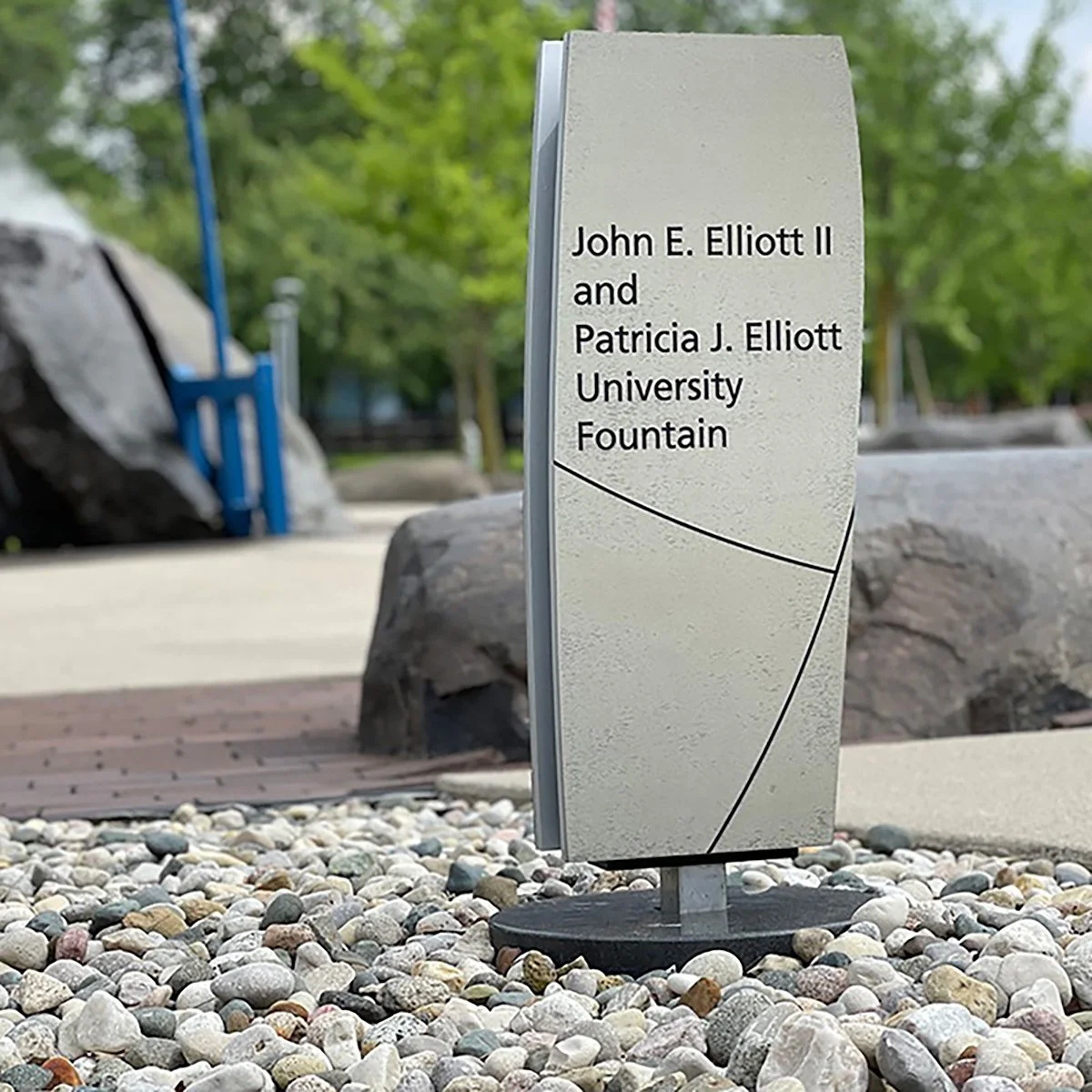
Building and room naming is common for major gifts, while endowment recognition acknowledges long-term financial support tied to specific academic programs or scholarships.
Challenges in Education-Based Recognition
Educational institutions manage complex donor categories, including alums, parents, foundations, and corporate partners. Donor lifecycles can span decades, requiring systems that can evolve as donors move from annual givers to major benefactors.
Maintaining campus-wide consistency is difficult when recognition is added incrementally across different buildings and departments over time.
Effective Approaches
Integrated plaque programs help standardize recognition across widespread campuses. Digital donor walls support evolving lists and allow for "storytelling" about alumni achievements.
Unified design standards ensure that recognition aligns with institutional branding and the unique architectural context of each building.
Higher education budgets must account for scale, alumni databases, and multi-campus deployment. Learn more about how we approach university donor recognition walls designed for long-term growth and institutional flexibility.
Donor Recognition in Cultural and Community Organizations

Goals in Museums and Cultural Spaces
Cultural organizations often use recognition to support storytelling and align with their mission. The display is designed to complement exhibits rather than compete with them visually.
Visitor engagement is a priority, with the wall often serving an educational role that connects the donor’s generosity directly to the museum or center's cultural impact.
Common Formats
Experiential walls blend names with design and narrative. Interactive digital recognition allows visitors to explore donor stories, artifacts, or historical context.
Exhibit-based acknowledgements are commonly integrated directly into galleries or installations.
Design Considerations
Recognition must blend seamlessly with exhibits to avoid visual clutter. Clear visibility is important, but it should not distract from the primary visitor experience.
Physical vs Digital Donor Recognition Across Industries

When Physical Donor Recognition Makes Sense
Physical recognition serves as a lasting architectural tribute. It is well-suited for environments where longevity and permanence are priorities. Unlike the static boards of the past, modern physical systems are often modular, allowing organizations to update individual names or panels without replacing the entire installation.
When Digital Donor Recognition Is the Better Choice
Digital donor walls are ideal for organizations that require frequent updates, have limited wall space, or are running multiple concurrent campaigns. They support rich storytelling, video content, and flexible hierarchies that can change with a click.
Hybrid Donor Recognition Programs
Many organizations combine physical architectural elements with digital screens. Hybrid programs offer the "best of both worlds," the gravitas of permanent signage and the infinite flexibility of digital content.
Common Donor Recognition Mistakes Decision-Makers Should Avoid
Designing without a long-term strategy often leads to costly revisions. Underestimating future growth can result in overcrowded displays that look cluttered within a few years.
Poor accuracy processes damage trust and credibility. Choosing solutions that are difficult to update creates operational bottlenecks. The most successful projects prioritize the "Discovery" phase to ensure the manufacturing method matches the client's ability to maintain it.
How to Choose the Right Approach for Your Organization
Key Questions to Ask Before You Start
Decision-makers should evaluate how often recognition will need updates and who will manage the data internally. It is also important to consider how the physical space may evolve over the next 5 to 10 years.
Importance of a Strategic Design Process
A strategic process aligns recognition with brand, mission, and the built environment. Planning for growth and longevity helps ensure the system remains accurate and relevant. Working with a turnkey partner, one who handles design through fabrication, ensures that the beautiful concept on paper is actually buildable and sustainable.
Final Thoughts on Industry-Specific Donor Recognition
There is no one-size-fits-all solution. Each industry requires an approach that reflects its specific mission, architectural space, and donor expectations.
Planning reduces long-term challenges and supports sustainable fundraising. By partnering with specialists like DonorSigns, who understand both environmental graphic design and donor stewardship organizations, organizations can create solutions that balance gratitude, accuracy, and future growth.
FAQs
1. What is the most effective way to recognize donors across different industries?
The most effective donor recognition approach depends on the organization’s mission, space, and how often donor information changes. Nonprofits often benefit from updateable donor walls, healthcare organizations prioritize privacy and durability, and educational institutions require recognition systems that support long donor lifecycles. A strategic donor recognition plan ensures recognition remains accurate, scalable, and aligned with donor expectations.
2. How do organizations decide between physical and digital donor recognition?
Organizations typically choose physical donor recognition when campaigns are permanent, and donor lists change infrequently. Digital donor recognition is more effective when updates are frequent, multiple campaigns are active, or storytelling is important. Many organizations use a hybrid approach that combines physical donor walls with digital displays to balance permanence and flexibility.
3. Why is donor recognition planning important before starting a fundraising campaign?
Donor recognition planning helps organizations avoid space limitations, inaccurate donor listings, and costly redesigns. Planning early allows teams to define recognition levels, update processes, and develop long-term growth strategies. This ensures donor recognition supports fundraising goals rather than becoming a constraint later.
4. What common mistakes should organizations avoid with donor recognition?
Common donor recognition mistakes include designing without a long-term strategy, underestimating future donor growth, and choosing solutions that are difficult to update. Poor donor name accuracy and inconsistent recognition standards can also harm donor trust and credibility.
5. How can donor recognition systems support long-term fundraising success?
Well-designed donor recognition systems reinforce transparency, appreciation, and accountability. When recognition is accurate, easy to maintain, and aligned with the organization’s mission, it strengthens donor engagement and encourages continued support. Scalable donor recognition solutions help organizations grow without repeatedly redesigning their recognition programs.