
What Makes a Donor Wall Successful in Institutional Spaces
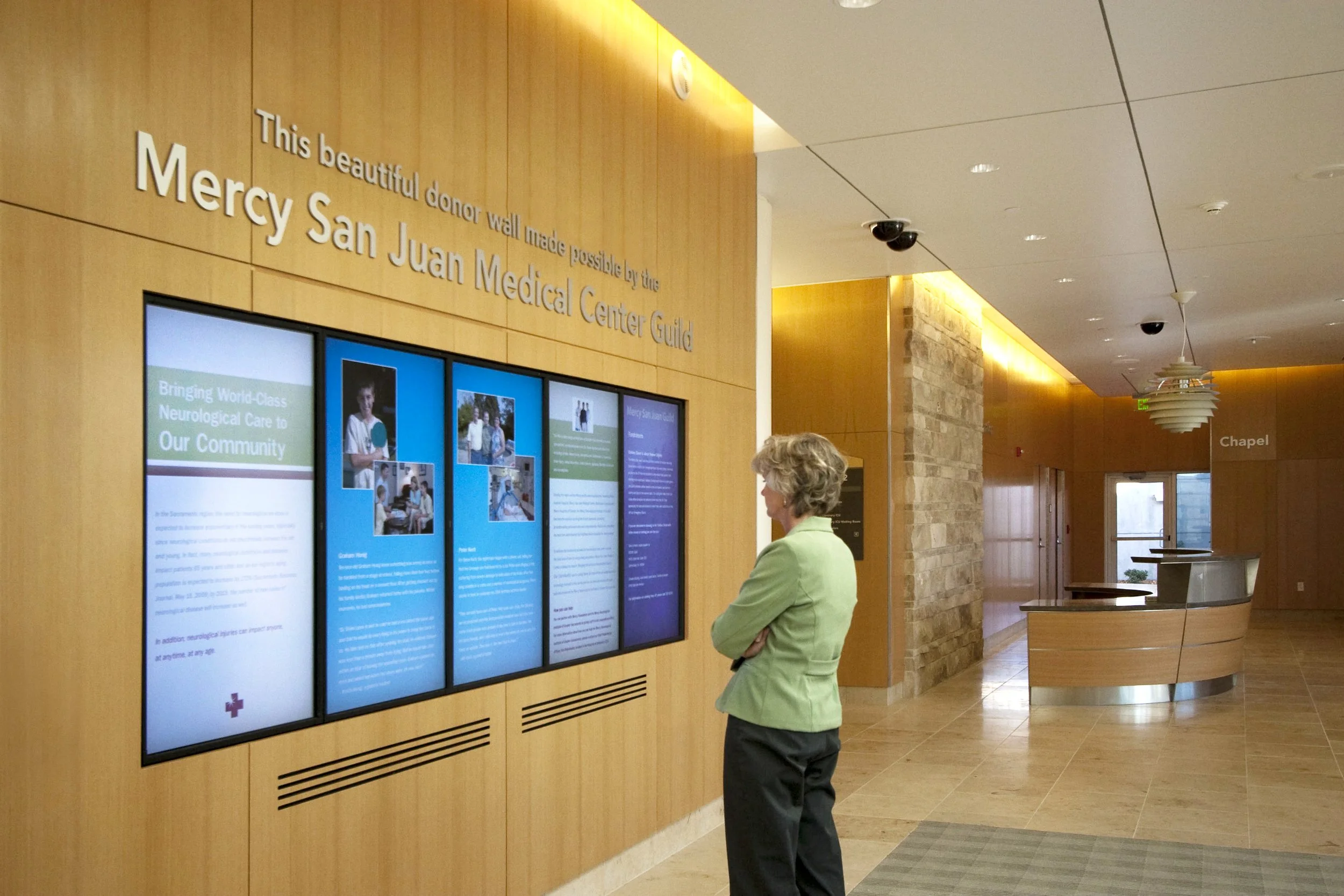
A donor wall is more than a display of names. In institutional spaces, it functions as a long-term donor recognition system that supports fundraising goals, reflects organizational values, and enhances the visitor experience.
Successful donor walls are planned with intention. They balance strategy, design, content, and future growth. When these elements align, a donor wall becomes a meaningful and lasting part of the institution.
Understanding the Role of a Donor Wall in Institutional Environments
In schools, hospitals, cultural organizations, and nonprofit facilities, a donor recognition wall serves multiple purposes. Recognition is only one part of its role. A donor wall helps reinforce trust, transparency, and appreciation. It shows how community support contributes to the institution’s mission and growth.
As part of the donor experience, the wall often becomes a moment of reflection. Visitors, donors, and stakeholders see how contributions are valued and remembered. This reinforces long-term relationships rather than one-time transactions. Alignment with institutional mission is essential. A display that reflects the organization’s values, tone, and purpose feels intentional and respectful. When recognition feels disconnected from the mission, it loses meaning for both donors and visitors.
Strategic Foundations of a Successful Donor Wall
A strong donor wall starts with strategy, not design. Without planning, even well-crafted recognition can become difficult to manage or update over time.
Aligning Donor Recognition With Institutional Goals
Donor recognition should support fundraising priorities. Capital campaigns, annual giving programs, and legacy recognition all have different requirements.
Institutions must consider who the donor wall is serving. Internal stakeholders, including development teams, leadership, and facilities staff, all play a role. Donor recognition planning ensures recognition remains relevant as campaigns evolve.
When donor walls align with institutional goals, they support stewardship rather than create administrative challenges.
Establishing Clear Recognition Criteria and Policies
Clear policies define how donors are recognized. This includes gift levels, naming conventions, and display formats.
Consistency is critical. When recognition criteria are unclear or change frequently, it creates confusion and donor dissatisfaction. Governance policies also define how updates are approved and implemented.
Equity matters in institutional fundraising. Recognition systems should feel fair, transparent, and aligned with donor expectations at every level.
Design Principles That Drive Long-Term Success
Design decisions directly affect how a donor wall performs over time. A successful donor wall fits its environment and remains functional for years.
Designing for Architectural and Spatial Context
Visibility is not about size; it is about placement within natural circulation patterns. Donor walls should be positioned where visitors naturally pause and engage.
Integration with interior design and wayfinding systems helps the wall feel like part of the building. When donor recognition is isolated or visually disconnected, it often feels temporary. A well-placed wall supports both recognition and navigation without overwhelming the space.
Material Selection and Craftsmanship Considerations
Material choice affects durability, maintenance, and perception. Institutional donor walls must withstand frequent use and long-term exposure.
Finish quality matters. Poor materials or inconsistent fabrication reduce credibility and increase maintenance costs. Balancing aesthetics with budget requires planning durable materials and quality craftsmanship, which often reduces donor recognition wall maintenance costs by minimizing repairs and replacements.
Choosing the Right Type of Donor Wall
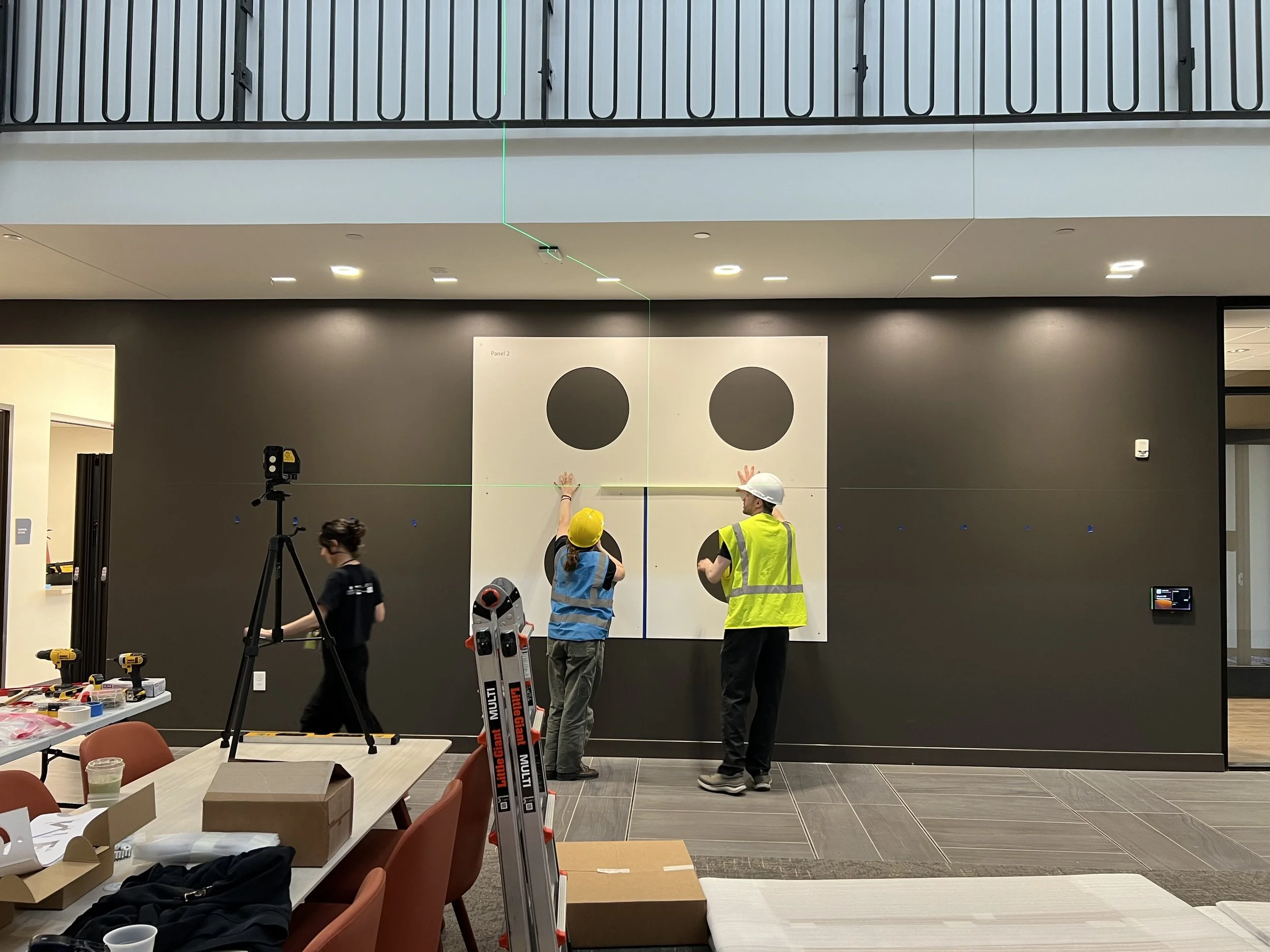
Not all donor walls serve the same purpose. Institutions must select a format that supports their recognition strategy and growth plans.
Physical Donor Walls: Strengths and Limitations
Physical donor walls offer permanence and a tactile presence. They work well for fixed campaigns or legacy recognition that requires gravitas.
While traditional static plaques made updates difficult, modern modular systems now allow for individual nameplates to be changed without re-fabricating the entire display. This innovation has made physical walls a viable option even for campaigns that grow over time.
Digital Donor Walls in Institutional Spaces
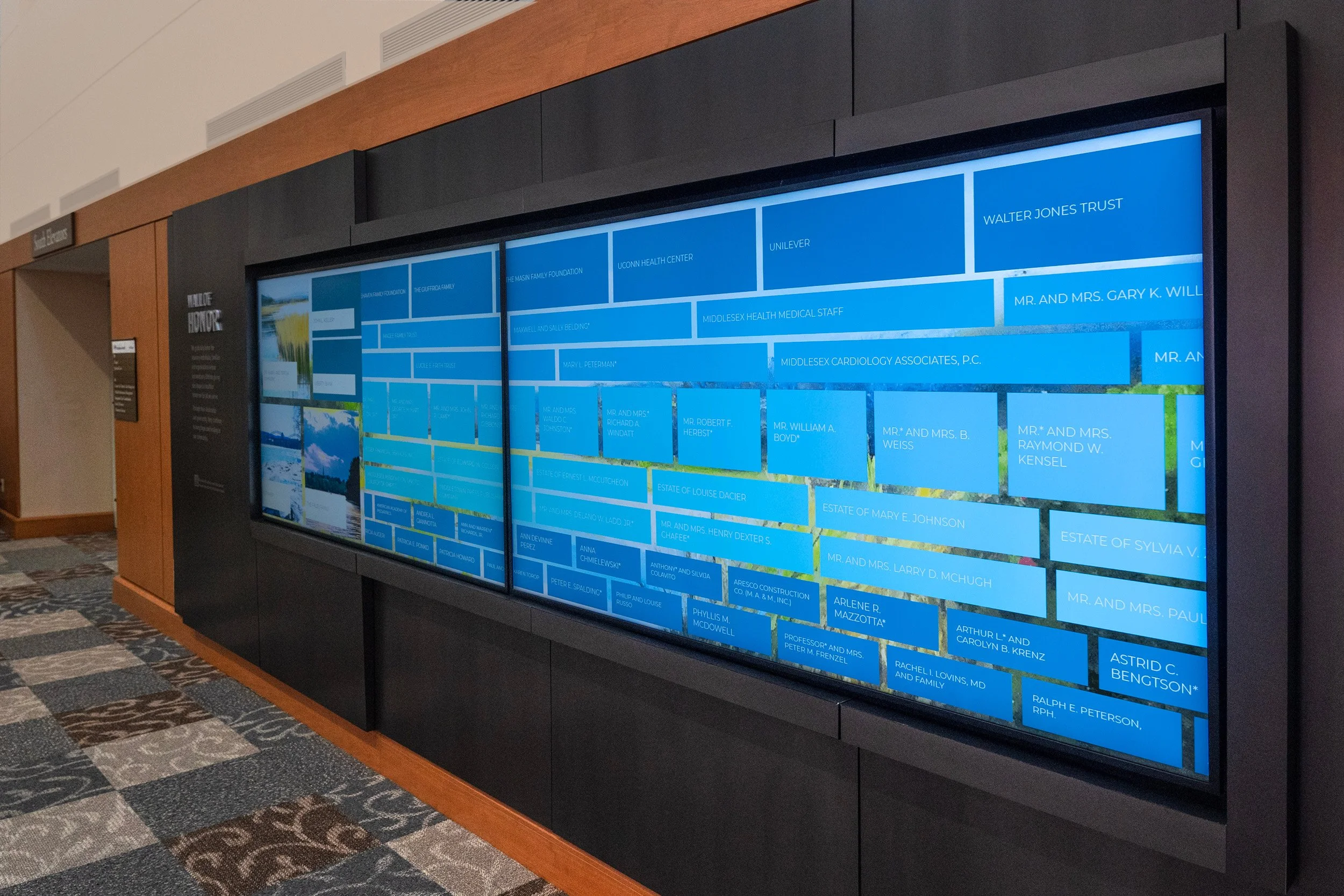
Digital donor walls provide maximum flexibility. Content can be updated quickly, allowing institutions to recognize donors, share impact stories, and adapt to new campaigns instantly.
Digital systems support scalability and data integration, allowing institutions to manage large lists without rebuilding physical structures. However, planning is essential; hardware placement, content governance, and long-term tech support must be defined from the start.
Hybrid Donor Wall Approaches
Hybrid donor walls combine physical and digital elements. This approach balances permanence with flexibility.
Large or evolving institutions often benefit from hybrid systems. Physical elements provide architectural grounding, while digital components enable updates and deeper storytelling as campaigns grow.
Content That Resonates With Donors and Communities
Recognition content determines whether a donor wall feels meaningful or purely transactional.
Moving Beyond Name Listings
Names alone do not tell the full story. Impact narratives, imagery, and mission-driven messaging help donors understand how their contributions matter. Storytelling should remain concise and respectful; the goal is connection, not promotion.
Maintaining Accuracy, Consistency, and Relevance
Content standards ensure accuracy. Misspellings, outdated information, or inconsistent formats undermine trust.
Clear review processes help maintain quality over time. Institutions should define who manages updates and how often content is reviewed. Consistency supports credibility and long-term stewardship.
Placement, Accessibility, and Visibility Considerations
A donor wall must be accessible to everyone who encounters it.
Selecting the Optimal Location
Lobbies, main corridors, and shared community spaces are common locations. These areas support visibility without disrupting circulation. The surrounding environment should allow visitors to pause comfortably; poor placement often results in disengagement, regardless of design quality.
Accessibility and Inclusive Design
ADA compliance is essential. Text size, contrast, height, and reach must support accessibility standards. Inclusive design ensures recognition is legible and usable for all visitors. Donor Plaques and signage should be integrated into planning, not added as an afterthought.
Planning for Longevity and Future Growth
Institutional donor walls are long-term assets. Planning for growth protects that investment.
Designing for Expansion and Updates
Modular systems allow for physical expansion without redesign. Digital platforms support content growth with minimal disruption. Scalability ensures recognition systems remain functional as donor programs evolve.
Ongoing Maintenance and Stewardship
Regular maintenance keeps donor walls accurate and meaningful. This includes physical upkeep and content updates. Stewardship extends beyond installation; institutions that plan for long-term care maintain stronger donor relationships.
Common Donor Wall Mistakes Institutions Should Avoid
Many donor wall challenges stem from early planning decisions.
Design and Space Planning Errors: Ignoring architectural context leads to poor visibility and underuse. Overcrowding or undersized displays reduce impact.
Content and Policy Oversights: Unclear recognition policies lead to inconsistencies. Poor content governance leads to errors and outdated information.
Short-Term Thinking in Long-Term Environments: Designing only for current campaigns limits future flexibility. Short-term solutions often result in higher long-term costs.
Measuring the Effectiveness of a Donor Wall
Success is not measured only by appearance.
Qualitative Indicators of Success: Donor feedback and visitor engagement provide insight into effectiveness. Conversations sparked by the wall often signal a strong impact.
Supporting Fundraising and Stewardship Goals: Donor walls support relationship building. Their value lies in reinforcing trust and appreciation, not direct fundraising metrics alone.
Why a Strategy-Led Approach Matters for Institutional Donor Walls: Professional planning aligns recognition with institutional goals. Strategy-led donor walls reduce operational issues and improve longevity. When donor walls are integrated into broader recognition systems, they become easier to manage and more meaningful for donors.
Conclusion: Creating Donor Walls That Honor, Inspire, and Endure
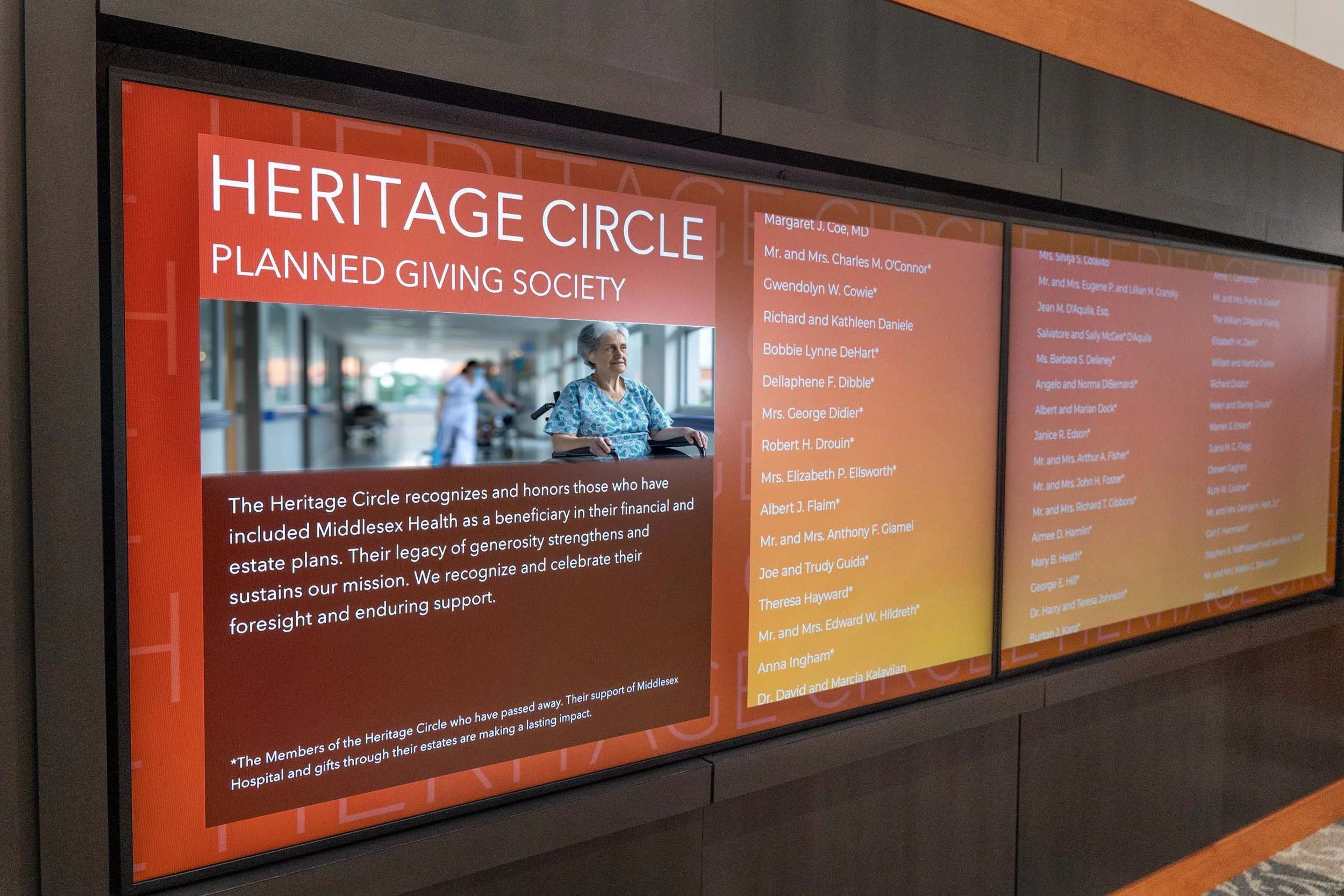
Successful donor walls combine strategy, design, content, and operational planning. They reflect institutional values while supporting long-term fundraising goals.
When donor recognition is planned with intention, it honors contributors and strengthens the community. By partnering with experts like DonorSigns, institutions can ensure a thoughtful, consultative approach that keeps donor walls relevant, respectful, and enduring over time.
FAQs
1: What is the primary purpose of a donor wall in an institutional space?
A donor wall serves as a long-term donor recognition system that acknowledges contributions while reinforcing the institution’s mission. Beyond recognition, it supports stewardship, builds trust, and demonstrates how donor support contributes to organizational impact. In institutional settings, donor walls are designed to be durable, consistent, and aligned with broader fundraising and recognition strategies.
2: How do institutions decide between a physical or digital donor wall?
The decision depends on recognition goals, update frequency, and long-term growth plans. Physical donor walls work well for fixed campaigns and legacy recognition, while digital donor walls offer flexibility for frequent updates, storytelling, and scalability. Many institutions choose a hybrid approach to balance permanence with adaptability.
3: What factors should be considered when planning donor wall design for a building?
Key factors include architectural context, visitor circulation, visibility, accessibility, and material durability. A donor wall should integrate with interior design and wayfinding systems rather than stand alone. Planning must also account for future updates, maintenance, and space constraints to ensure long-term success.
4: How often should donor wall content be updated?
Update frequency depends on fundraising activity and recognition policies. Institutions with ongoing campaigns may update content quarterly or annually, while legacy recognition may require fewer changes. Clear governance and content standards help maintain accuracy and consistency over time, regardless of how often they are updated.
5: How can a donor wall support long-term fundraising and stewardship efforts?
A donor wall strengthens stewardship by visibly acknowledging donor support in a consistent and meaningful way. It reinforces relationships, encourages continued engagement, and supports a culture of giving. While it may not directly drive donations, a well-planned donor wall can build donor confidence and support long-term fundraising sustainability.