
Donor Recognition Budget
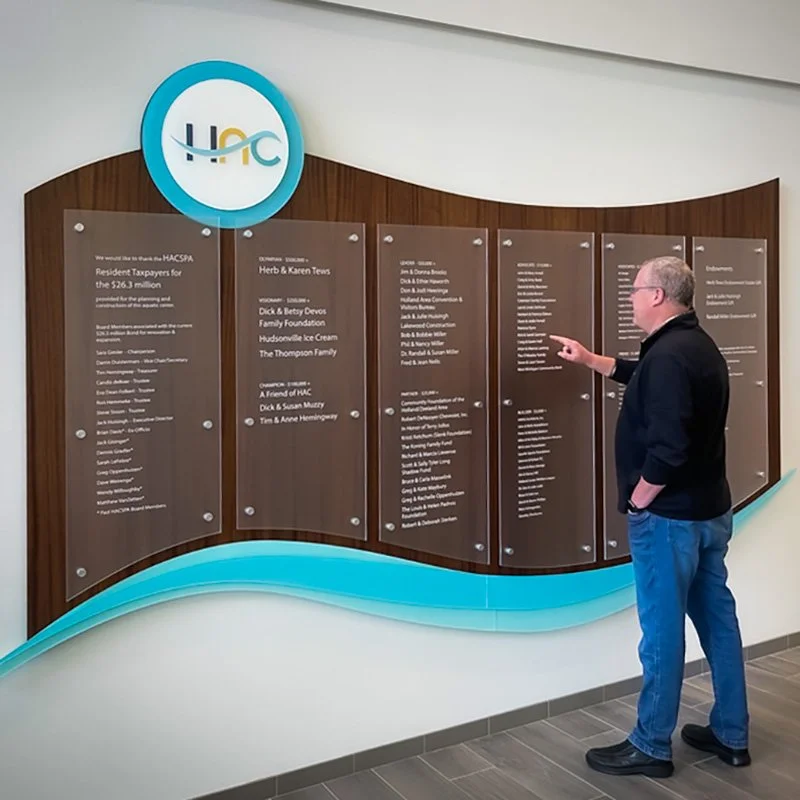
How to Establish a Donor Recognition Budget
One of the most common questions in the nonprofit world is how to establish a budget for a donor recognition project. Thoughtful planning is essential when creating a donor recognition budget, as recognition is a powerful marketing and stewardship tool that motivates donors to give more.
Research shows that many organizations allocate 1% to 3% of funds raised toward donor recognition. The goal of donor recognition is not only to thank donors but also to encourage future giving in a sustainable way.
Today’s donors want more than a simple thank-you email. They seek appreciation, belonging, and purpose—and often want to see how their contributions make a real impact. While overspending isn’t the solution, a donor recognition display is an effective way to express gratitude while supporting ongoing fundraising efforts.
Determine the Funding You Are Recognizing
The first step in budgeting for donor recognition is identifying the type of funding you’re recognizing. This may include:
Capital gifts
Annual fund contributions
Endowment gifts
Planned or future gifts
The duration of the campaign also matters. Some recognition programs must allow for long-term growth, while others have a defined lifespan.
Capital campaigns typically require less flexibility because they are time-bound.
Annual and repeat-giving campaigns benefit from cost-effective, in-house recognition strategies.
Donor recognition should clearly communicate the campaign purpose and mission, helping donors understand the impact of their support. Ongoing recognition and communication keep supporters engaged, promote transparency, and foster a strong sense of community throughout the campaign.
What to Consider in the Budgeting Process
Several key factors should be incorporated into your donor recognition budget, including:
Number of donors
Giving levels and tiers
Promises and pledges
Recognizing different gift categories can increase total funds raised, but it may also increase the size and complexity of your display. We can help you determine the right budget based on your organization type, campaign goals, and expected donor participation. Learn more about how we can assist you.
Typical budget guidelines:
Small campaigns: up to 5% of the campaign total
Large campaigns: as low as 0.001% of the campaign total
Materials Used to Create a Recognition Display
The materials used in a donor recognition display significantly affect cost. Common options include:
Wood
Glass
Acrylic
Bronze
Digital components
Other cost-influencing factors include:
Design complexity and originality
Material sourcing and fabrication
Shipping requirements
Installation challenges
Each of these elements plays a role in the final cost of a donor recognition wall system.
Complete a Donor Recognition Map
After defining the campaign type, evaluating similar projects, identifying current and expected donors, and selecting media preferences, the next step is creating a donor recognition map.
A donor recognition map is a visual plan that shows how donors will be acknowledged within a physical space. It outlines giving tiers and corresponding recognition benefits, helping donors see how their contributions fit into the broader campaign.
Key elements of a donor recognition map include:
Tiered recognition levels
Naming opportunities for buildings or rooms
Plaques, donor walls, or digital displays
Donor impact descriptions and success stories
Future funding needs to inspire continued support
These elements are strategically placed to maximize visibility and appreciation.
Donor recognition maps are especially valuable for nonprofits, hospitals, universities, and cultural institutions. They communicate the importance of donor contributions while reinforcing a culture of philanthropy.
Once completed, the map should be shared with your internal team for review and paired with a personal, no-obligation consultation. Early donor recognition has been shown to increase giving levels and improve campaign completion rates.
A well-designed donor recognition display can become a compelling visual representation of your organization’s mission. By combining thoughtful budgeting, impactful design, and meaningful recognition, you can inspire donors to give—and to keep giving.
If your organization values strong donor retention, creating a strategic donor recognition budget is an essential step toward long-term success.