
Canadian Museum of Human Rights: Museum Donor Recognition Case Study
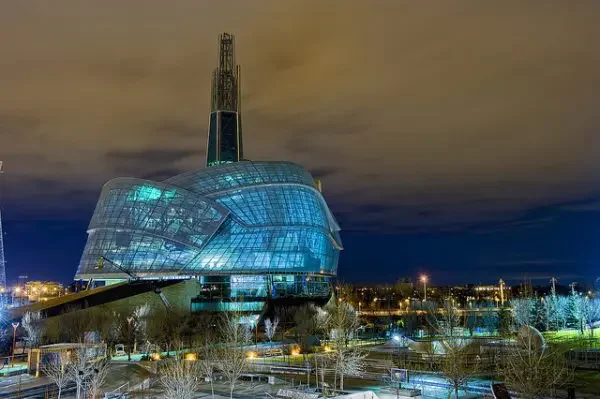
Integrated Donor Recognition & Wayfinding Program
Overview
The Canadian Museum for Human Rights is unlike any cultural institution in North America. Its soaring limestone forms, luminous glass “cloud,” and winding interior ramps create a powerful architectural narrative that is as meaningful as the exhibits themselves.
When the museum set out to implement a comprehensive donor recognition and wayfinding program—including named spaces, a central donor wall, and directional signage—the solution had to do more than inform. It had to belong.
Our task was to create a cohesive system that honored donor generosity, guided visitors intuitively, and respected both the building’s iconic architecture and the emotional sensitivity of the museum’s content.
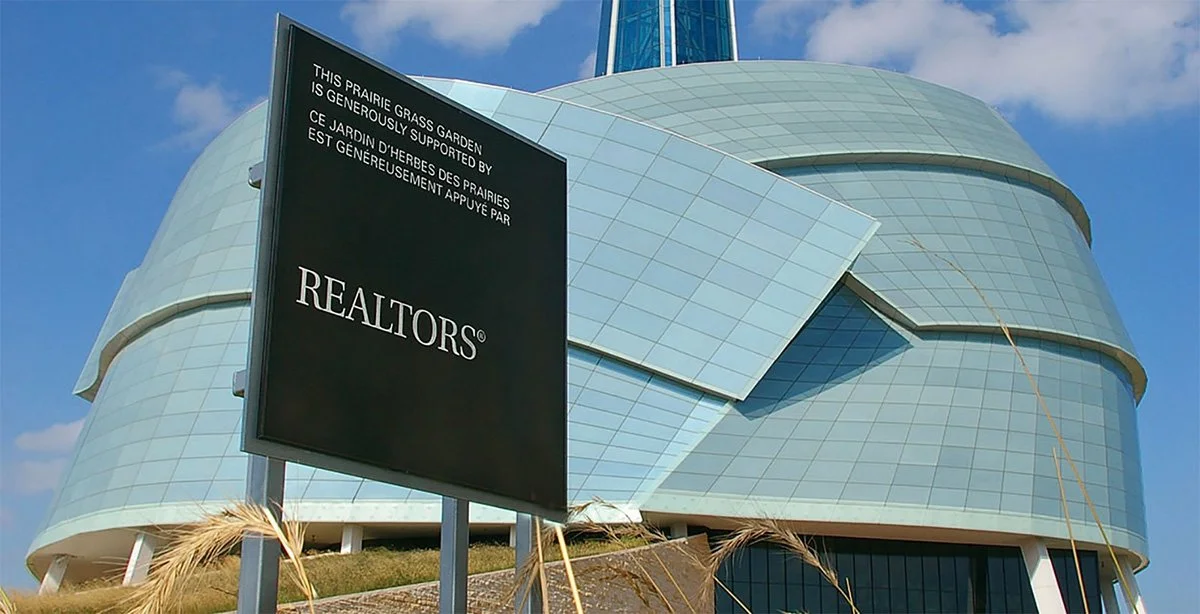
The Challenge
This project presented a unique combination of constraints and responsibilities:
Iconic architecture that could not be visually disrupted
Distinct interior materials including stone, glass, and specialty finishes that limited mounting methods
Highly sensitive exhibits requiring a quiet, respectful visual language
Multiple recognition and signage types (named spaces, donor walls, interpretive areas, wayfinding) that needed to feel unified
Long term flexibility for future donor additions without reworking the system
Traditional signage or donor displays would have felt intrusive. Every element required careful integration, never decoration.
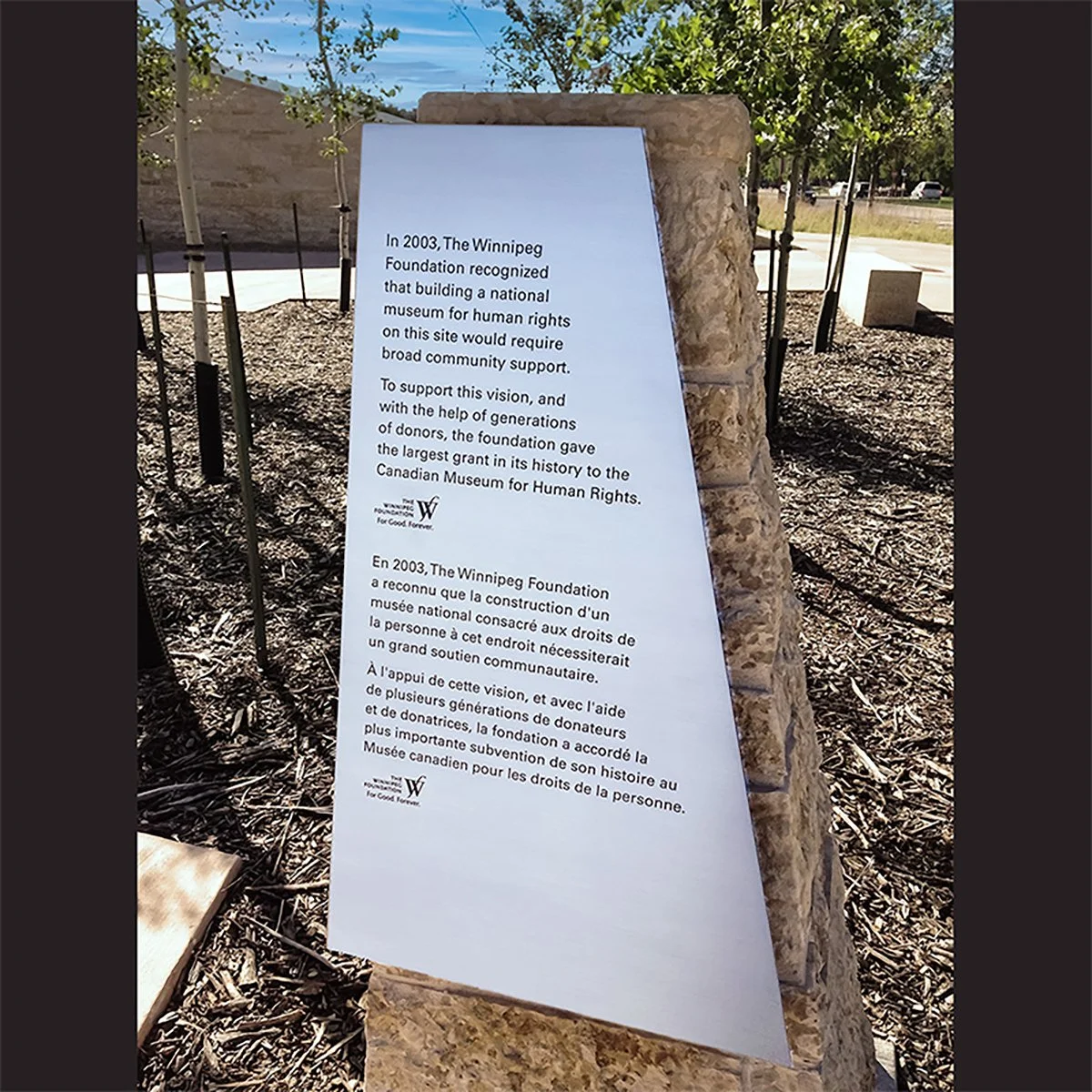
Our Approach
We began with strategy before design. Close collaboration with museum leadership, architects, and a local fabricator ensured that each decision supported the building and the visitor experience.
1. Planning and Conceptual Development
Comprehensive Design Concept Drawings established the visual language for the entire program:
restrained typography
low-profile forms
materials that complemented the museum’s palette
quiet, architectural presence rather than attention-seeking graphics
This framework guided every application, from large donor installations to small directional markers.
2. Material Exploration
Because finishes play such an important role in the building’s atmosphere, we supplied:
material samples
size mockups
prototypes
Each piece was tested to ensure durability while maintaining a refined, almost seamless appearance against stone and glass.
3. System Planning
To support long-term stewardship, we developed:
a scalable donor hierarchy
location plans and message schedule
a Signage and Recognition Standards document
This ensured the museum could grow its recognition program over time without compromising consistency.
4. Fabrication Coordination
We partnered closely with a local fabricator, overseeing detailing and installation methods to meet the museum’s high standards and protect delicate surfaces. Precision was critical, many elements appear visually simple but required complex engineering behind the scenes.
The Solution
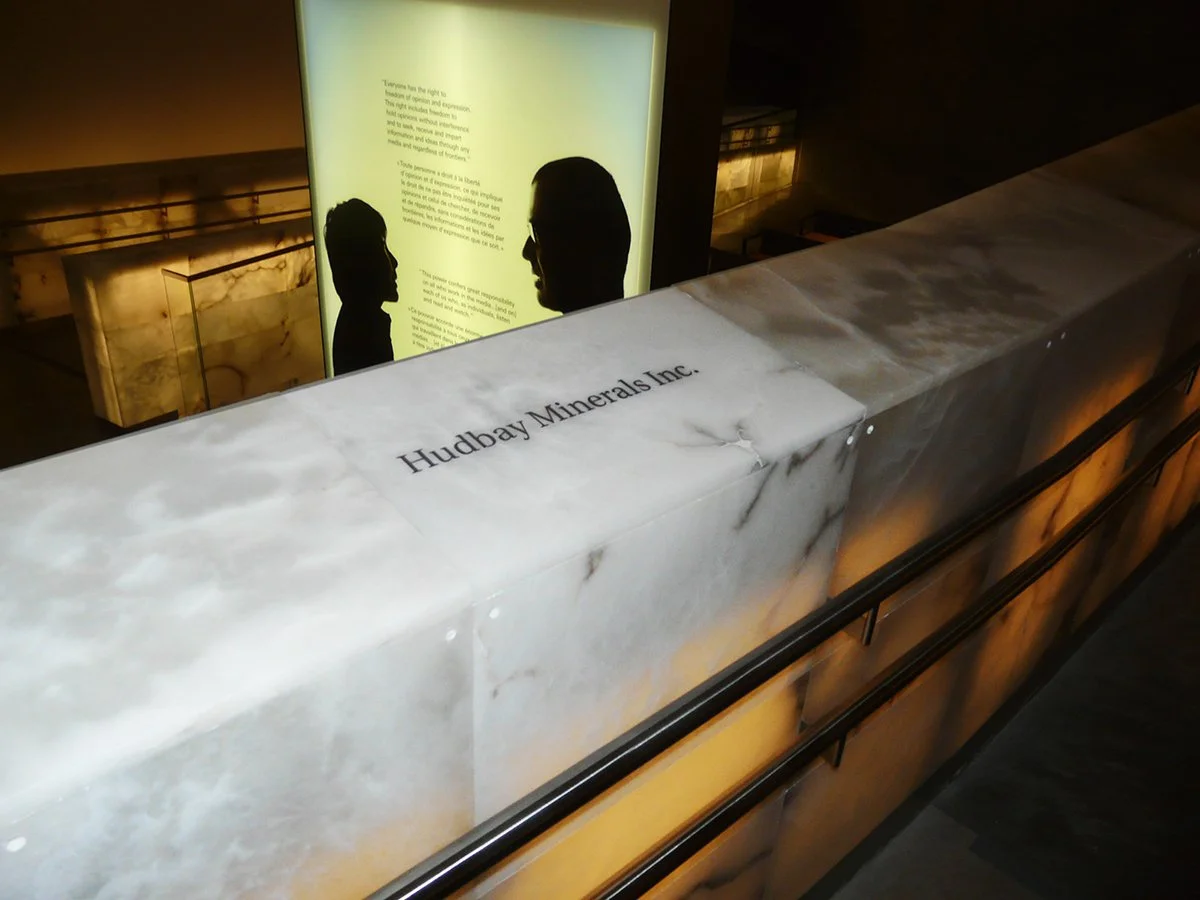
The Solution
The final program includes:
Donor Recognition
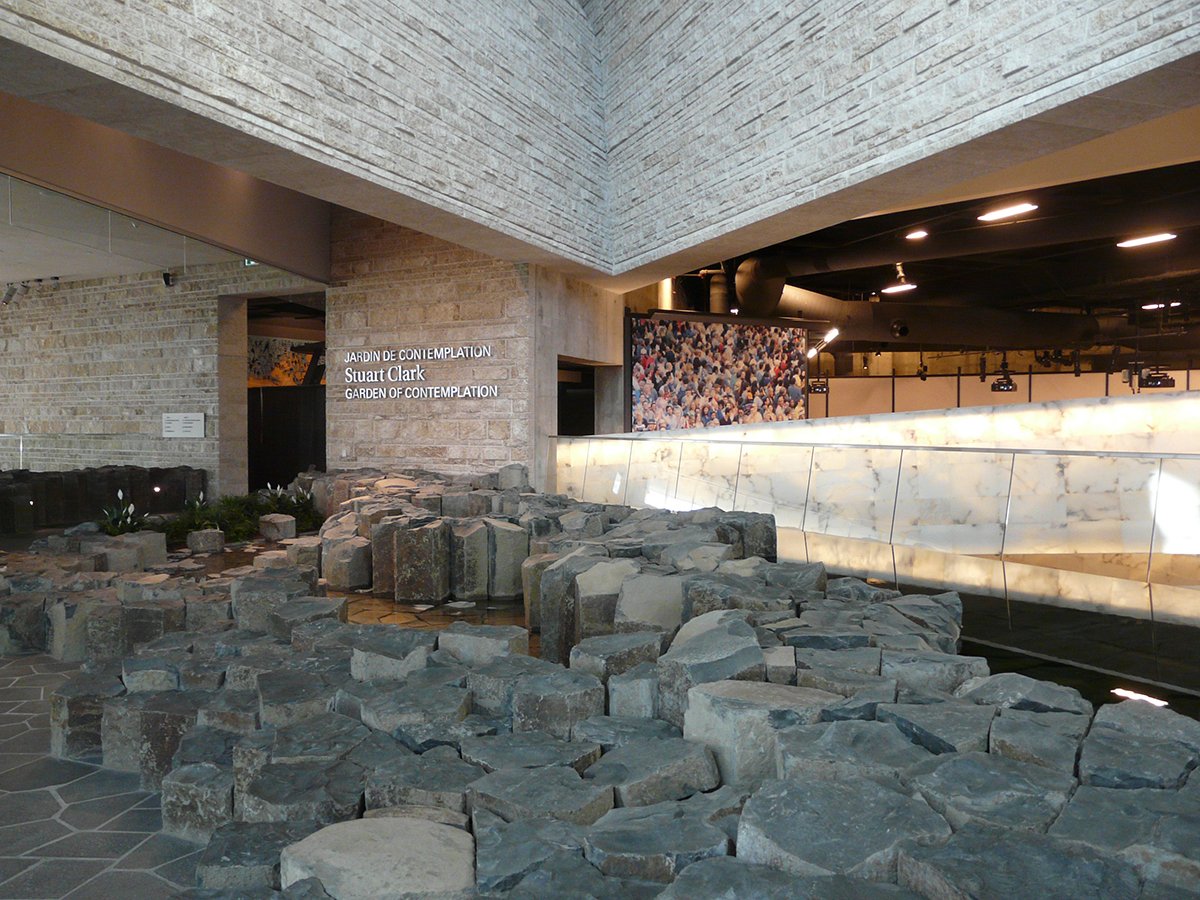
Named galleries and spaces
Integrated architectural lettering
A central donor wall designed as a permanent, flexible system
Subtle, dignified presentation that honors contributors without competing with exhibits
Wayfinding
Directional signage that feels embedded in the architecture
Clear hierarchy and legibility
Minimal visual footprint
Consistent typography and finishes aligned with the donor program
Together, these elements function as one cohesive language—quiet, respectful, and timeless.
Results
The completed system:
Enhances the visitor journey without distraction
Supports the museum’s emotional storytelling
Honors donors with dignity and permanence
Integrates seamlessly with the building’s architecture
Provides a scalable framework for future growth
Most importantly, visitors experience the space, not the signage.