Plaque Programs for Non-Profits & Foundations
Designed to support donor recognition with clarity, flexibility, and long-term use.
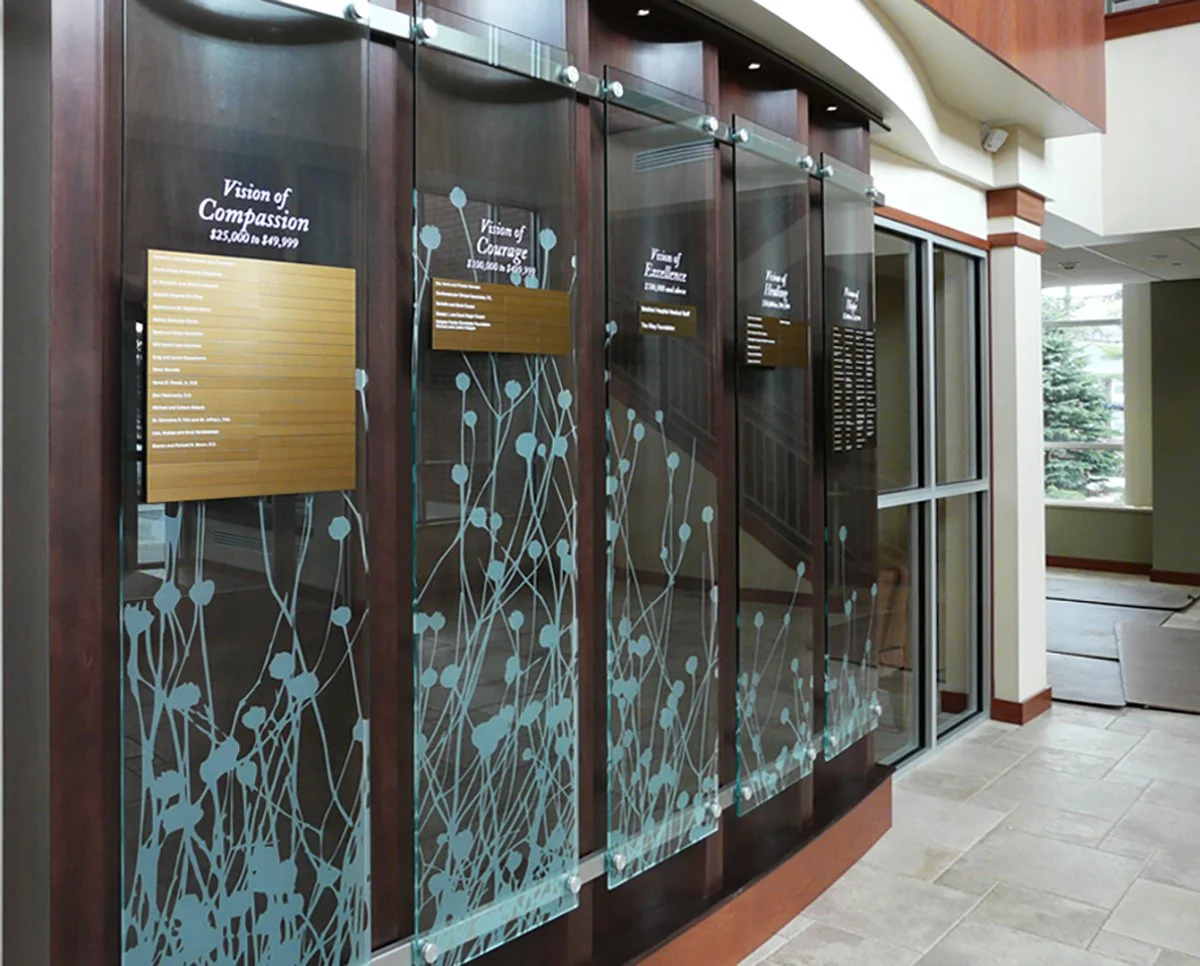
Non-profits and foundations manage multiple campaigns, donor groups, and recognition needs over time. A well-structured plaque program provides a consistent way to honor contributions across offices, community spaces, and program areas.
DonorSigns develops coordinated systems of recognition plaques through a complete, turnkey process from initial planning to final installation.
Recognition That Supports Ongoing Giving
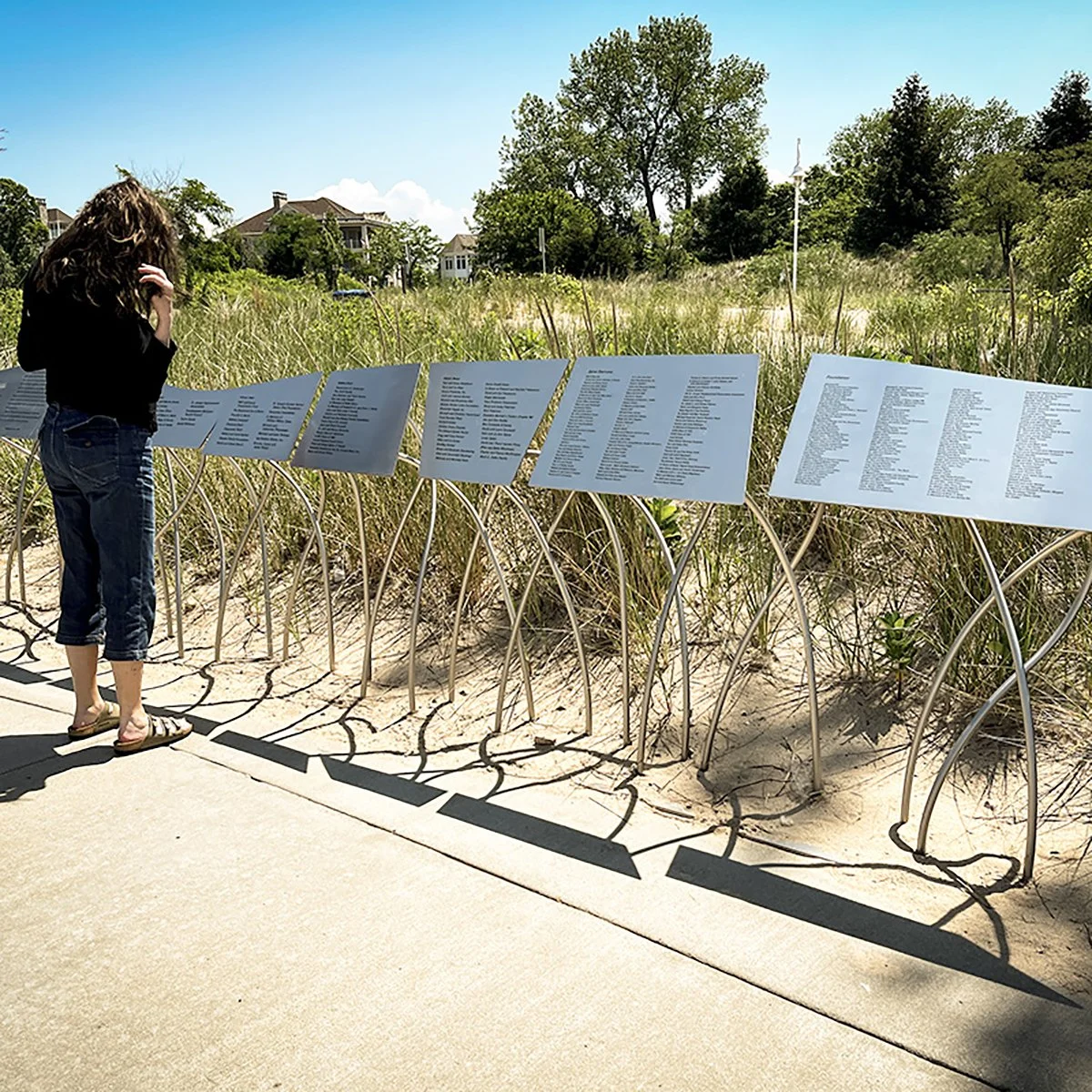
For many organizations, donor recognition evolves with each campaign. Without a clear system, plaques become visually inconsistent and increasingly difficult to manage. Establishing a defined program creates a framework that actively supports both your current and future fundraising efforts. This approach helps your organization maintain visual clarity while beautifully recognizing contributions at every level.
What Non-Profits and Foundations Typically Need:
A flexible plaque program spanning offices and community spaces
A clear visual structure for campaigns, donor tiers, and named opportunities
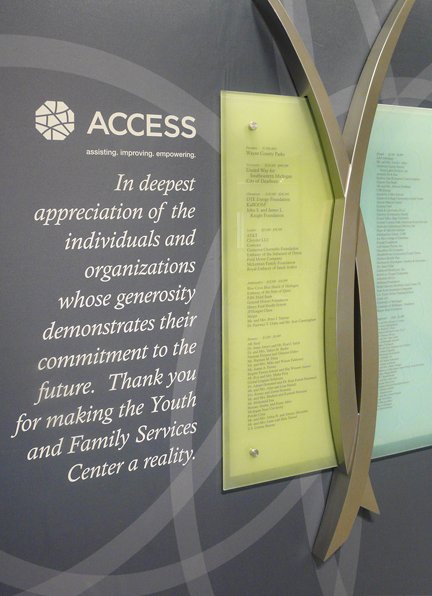
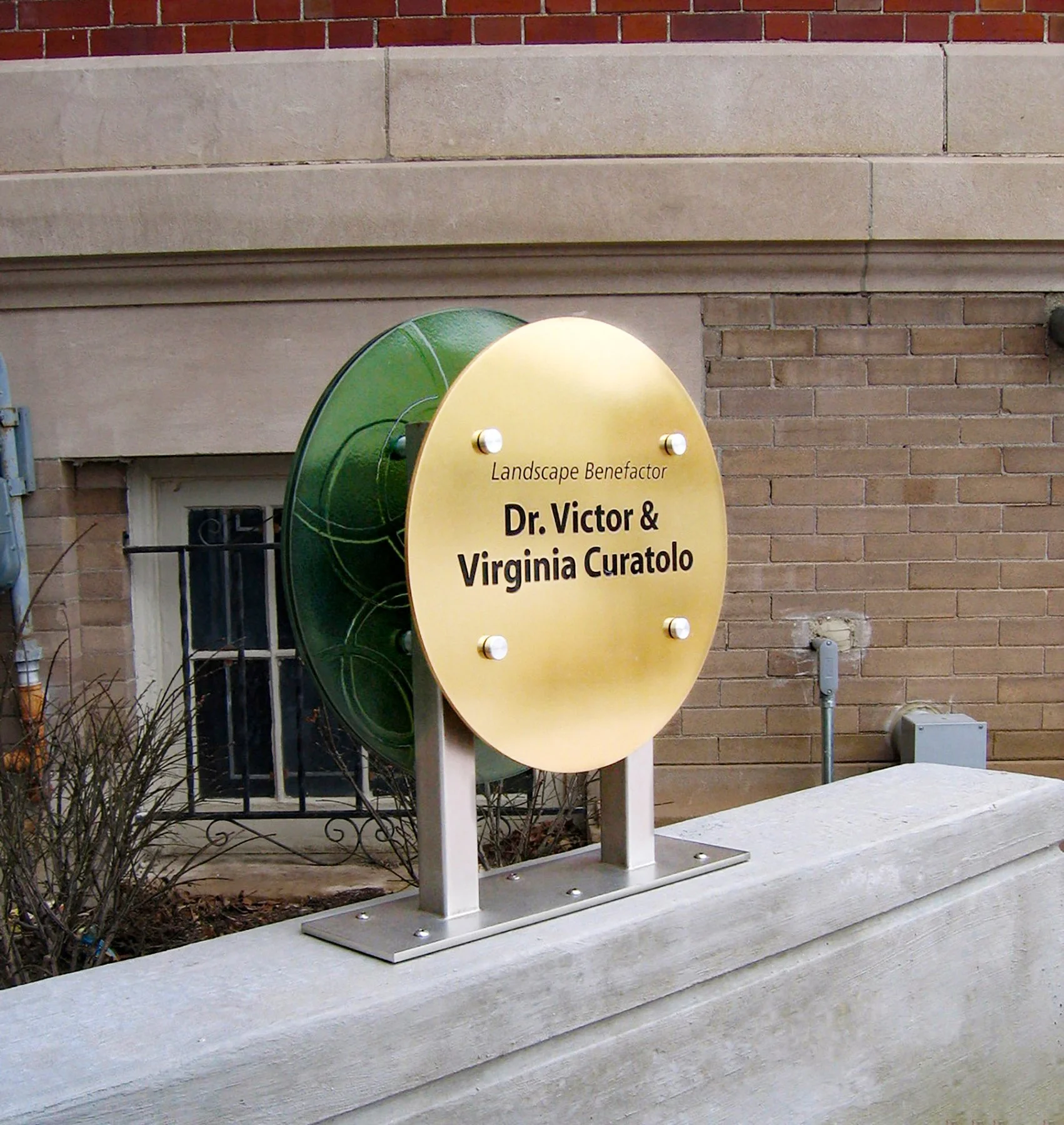
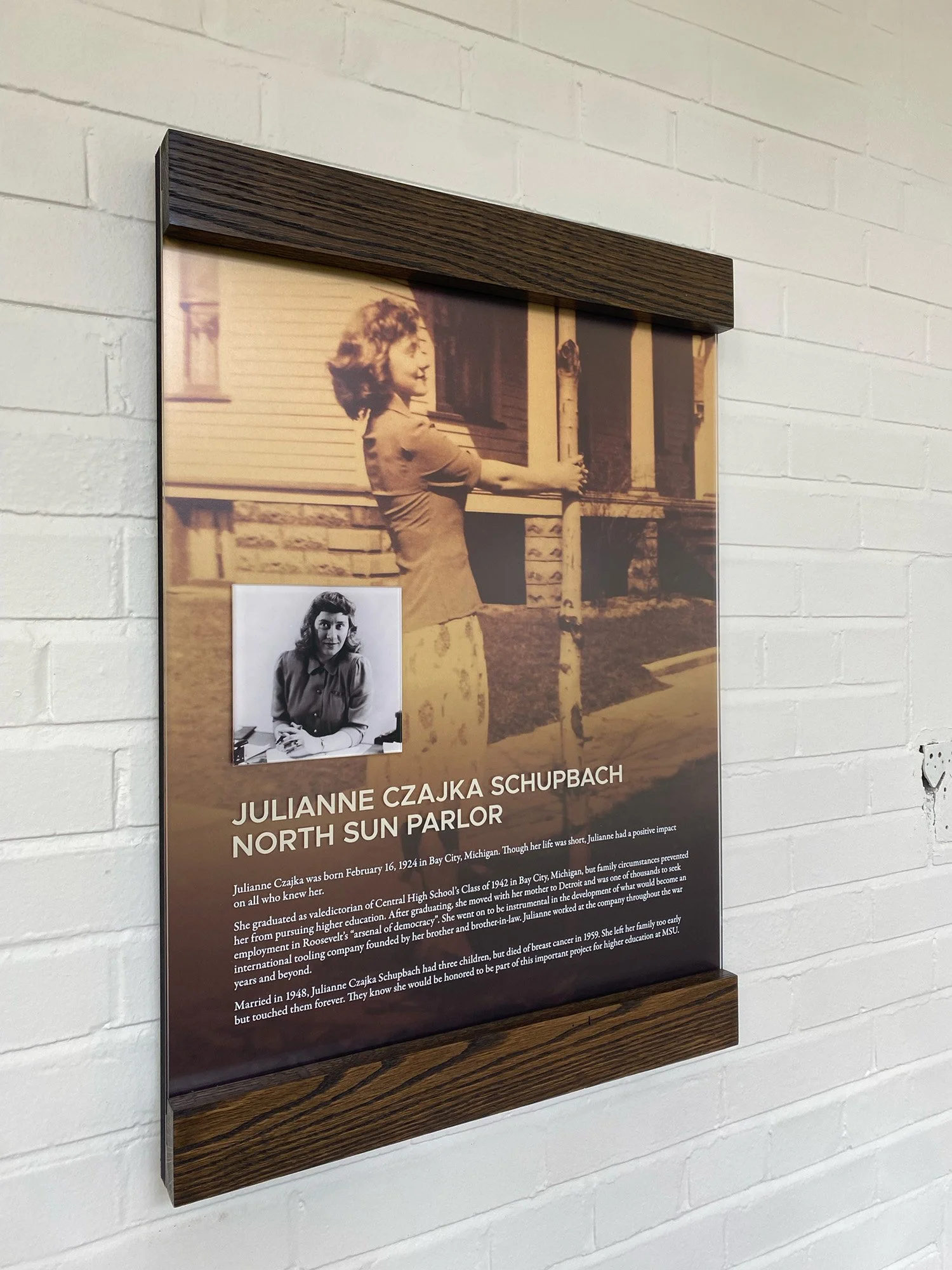
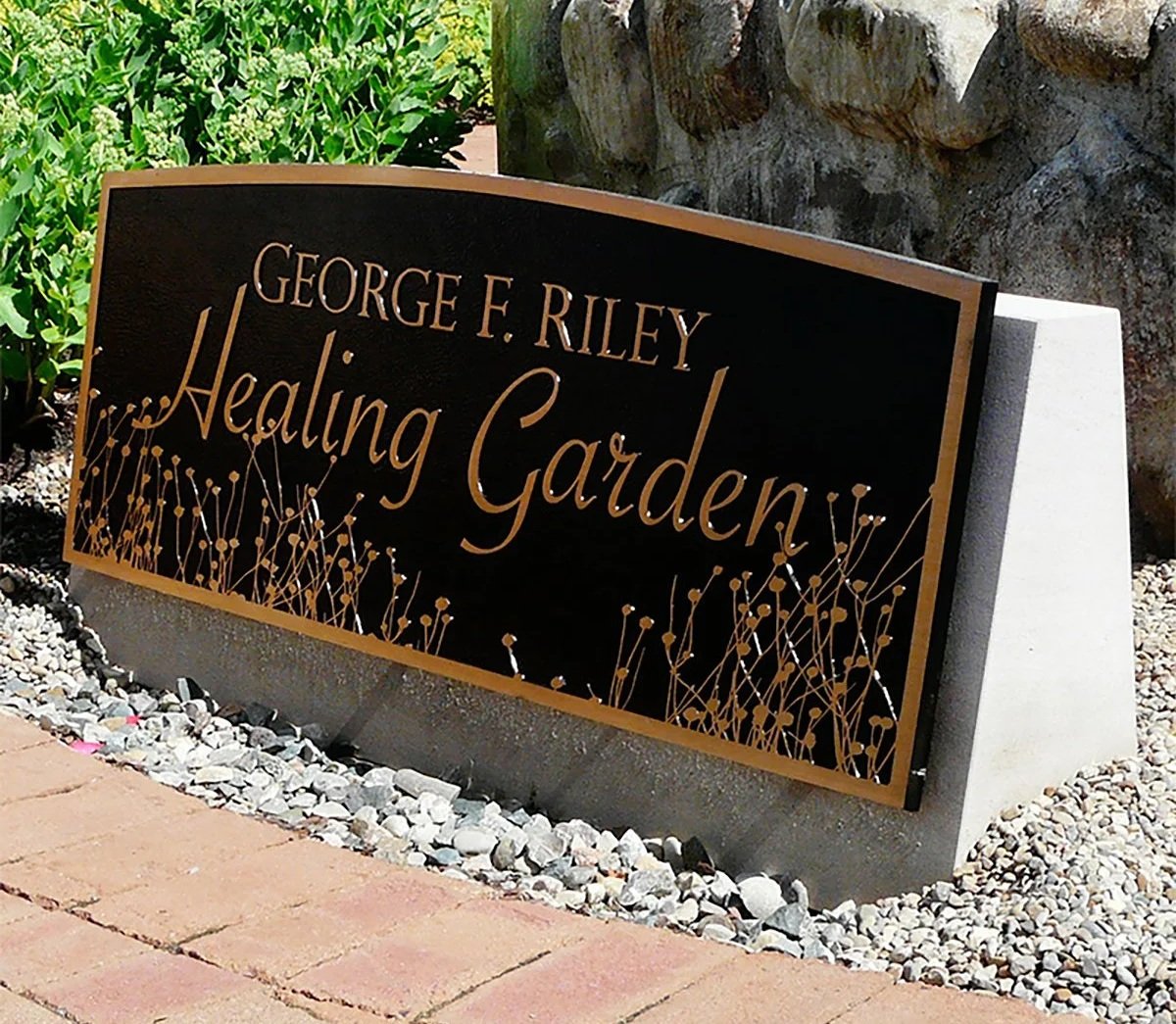
Custom donor recognition wall plaques that fit a wide range of organizational settings
Seamless alignment with existing signage and daily space usage
A scalable system that allows your team to add donation recognition plaques as supporters make new contributions easily
Our Work
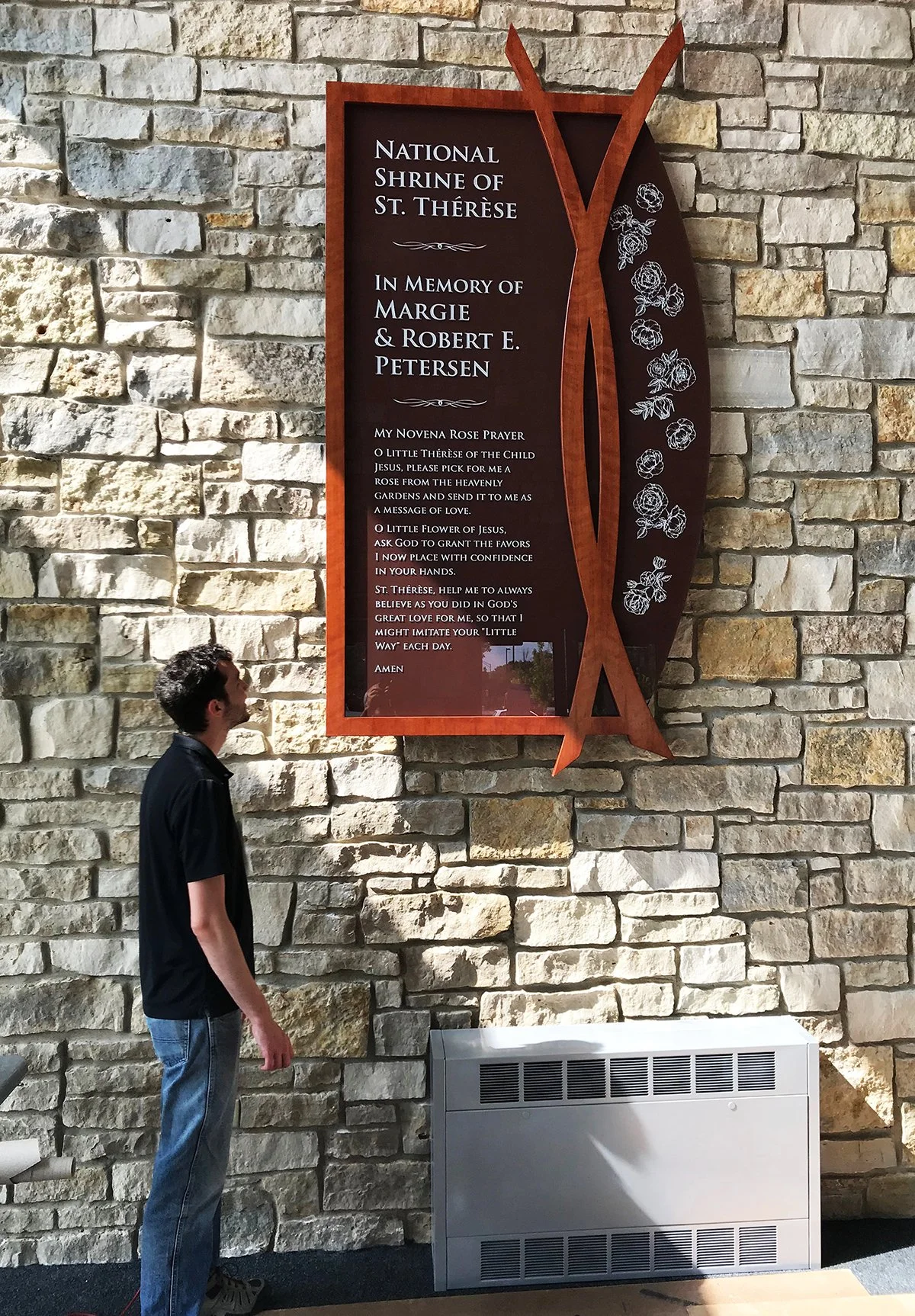
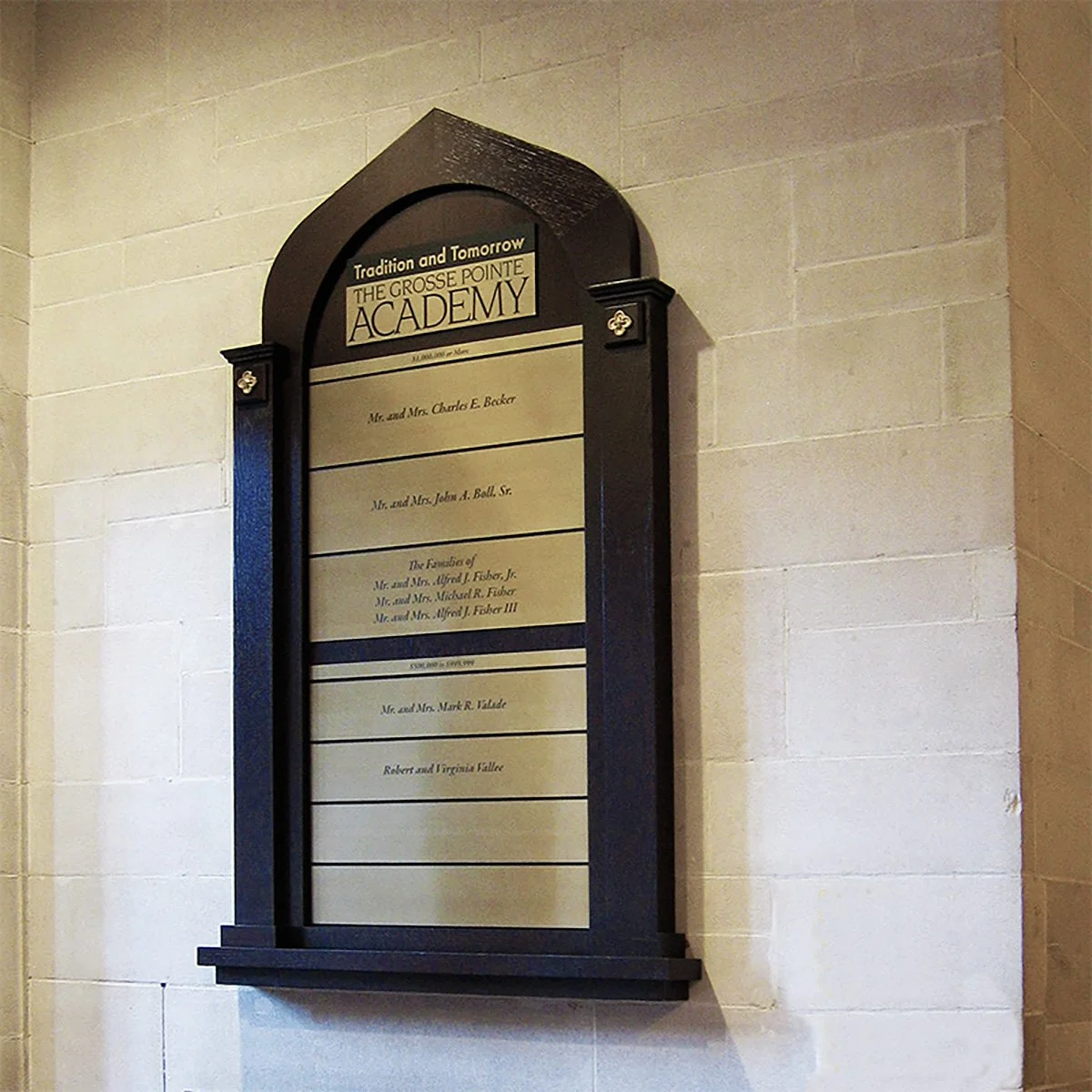
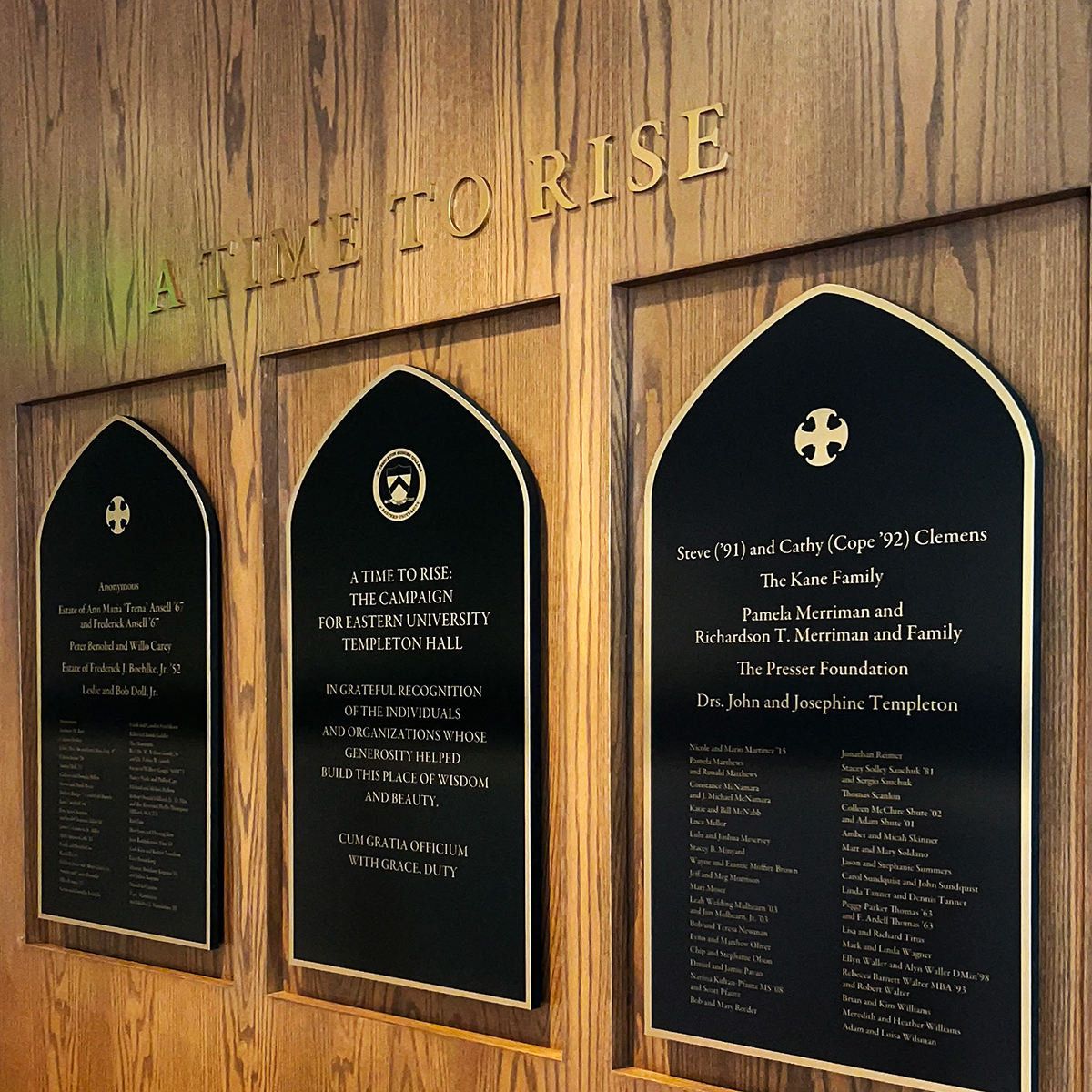
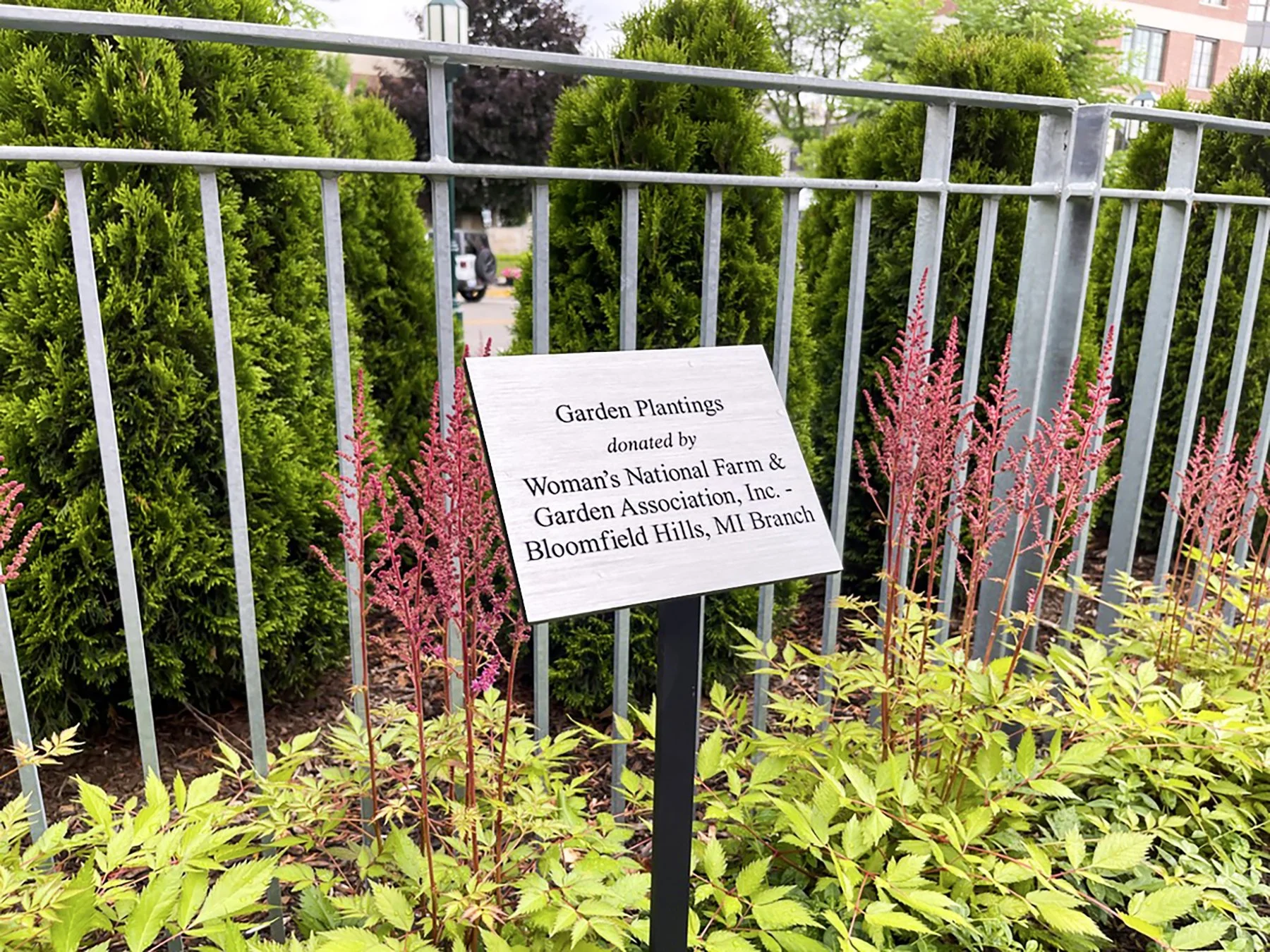
We design coordinated plaque programs to help non-profits and foundations clearly recognize donor contributions.
A thoughtful first step
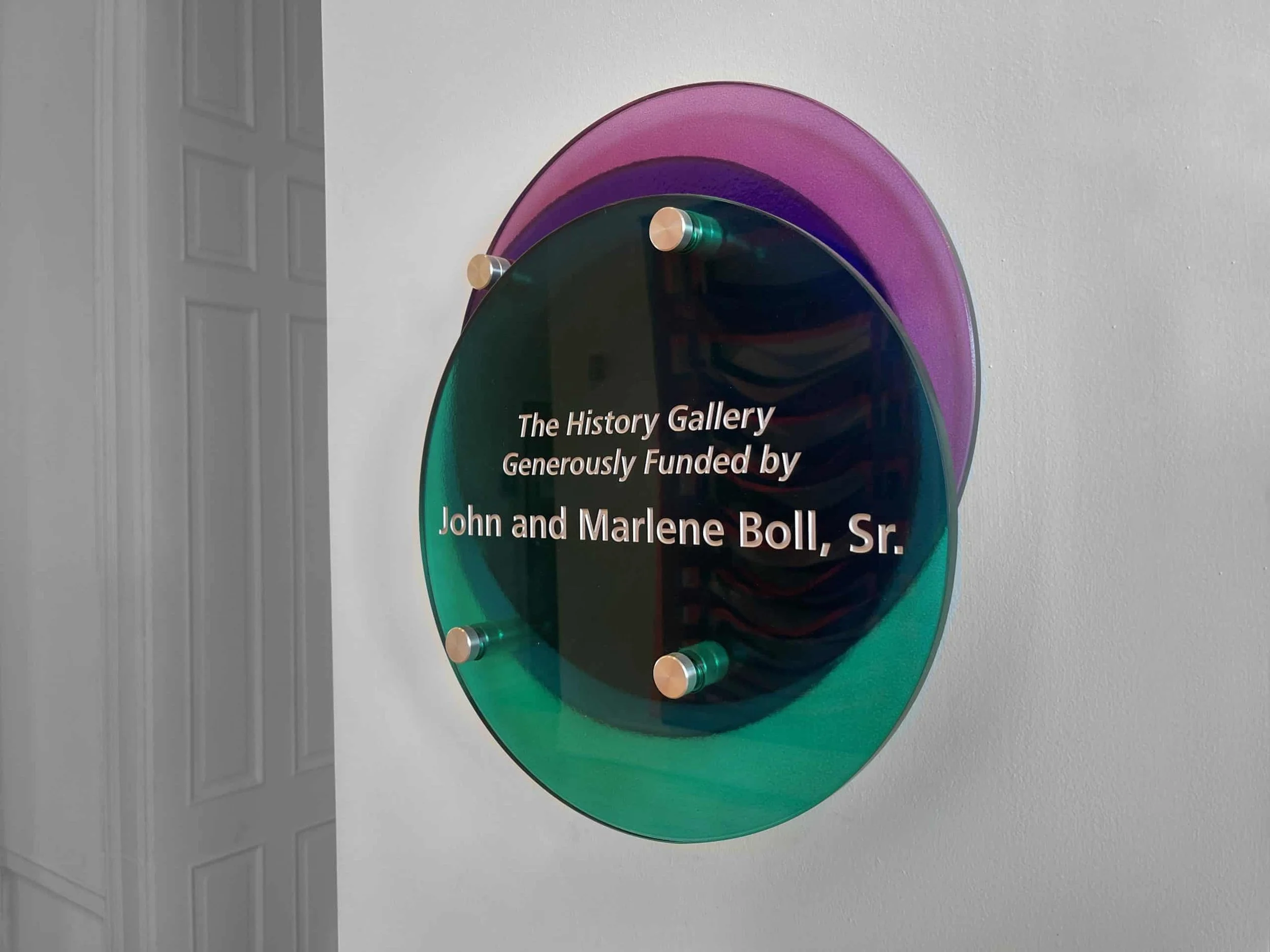
Every organization approaches donor recognition differently. The right program should be flexible, easy to manage, and perfectly aligned with your fundraising strategy. Tell us about your goals, and we’ll help you define a practical approach that works beautifully over time.
FAQs
-
The most effective approach is to partner with us to create a structured system that defines exactly how and where your team uses recognition elements across different campaigns and donor levels. This ensures long-term consistency while making it significantly easier for your staff to manage recognition as your organization grows.
-
Foundations typically organize donor recognition by specific campaigns or initiatives, but they keep them all within one unified visual program. This strategy allows your displays to reflect distinct fundraising efforts while maintaining a cohesive, brand-aligned overall structure.
-
Our designers commonly place these displays in entry areas, meeting spaces, community rooms, and donor-funded program areas. We strategically position them where they remain highly visible and inspiring without disrupting how your staff and community actively use the space.
-
By establishing clear standards for layout, hierarchy, and placement early on, your non-profit can continue adding pieces without creating visual inconsistency or overcrowding. A coordinated system helps you maintain an elegant, uncluttered space as you welcome new donors.
-
Planning enables your organization to build a scalable system tailored for long-term fundraising. Proactive planning helps you avoid costly future redesigns, ensures visual consistency from day one, and makes it easier for your team to manage physical displays as your donor lists grow.
What Our Clients Say
"Our donor wall is the perfect finishing touch on our new building! DonorSigns were absolutely wonderful to work with. Their vision, creativity, and expertise made this process so easy. We highly recommend them and are thrilled with their work. "
-Kate Laubacher-Smith, Development & Marketing Manager (Meals on Wheels)