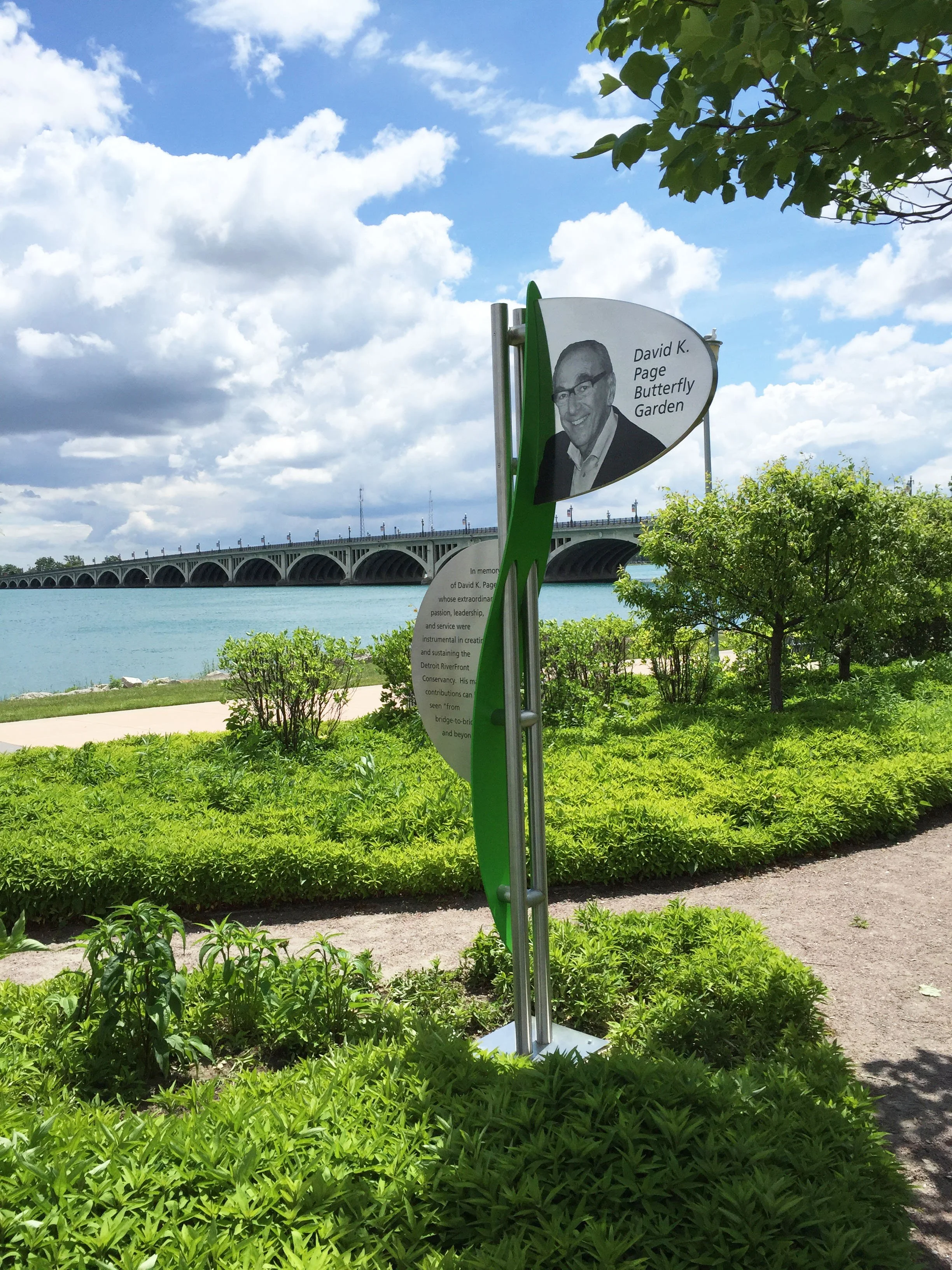
Plaque Programs for Healthcare
We design our systems to be organized, consistent, and appropriate for clinical environments.
Healthcare facilities need donor recognition that is easy to navigate and fits naturally within patient and visitor spaces. A well-structured healthcare plaque program creates a unified approach to recognizing support across entrances, departments, and shared areas.
DonorSigns develops coordinated systems of recognition plaques through a complete, turnkey process from initial planning to final installation.
A Structured Approach to Recognition
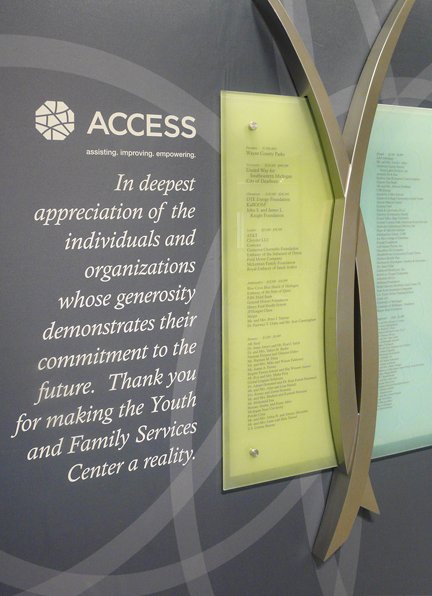
In many healthcare environments, administrators add individual plaques over time without a clear system in place. This piecemeal approach creates inconsistency and makes recognition harder to manage. Establishing standard guidelines for placement, design, and hierarchy brings instant clarity. This structured approach ensures each element works together and beautifully supports the overall environment.
What Healthcare Organizations Typically Need:
A clearly organized plaque program across key facility areas
Defined levels for naming opportunities, donor tiers, and recognition types
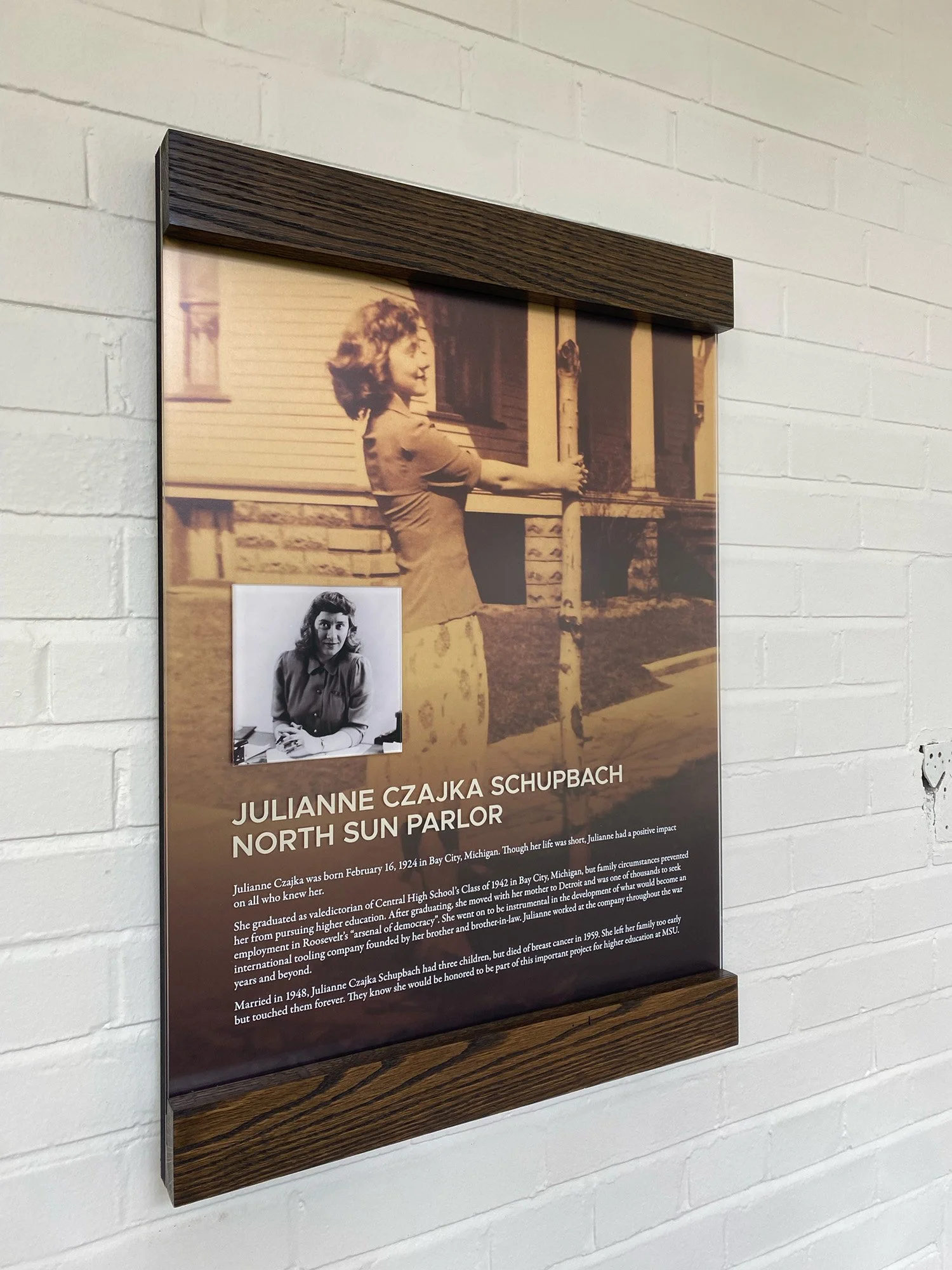
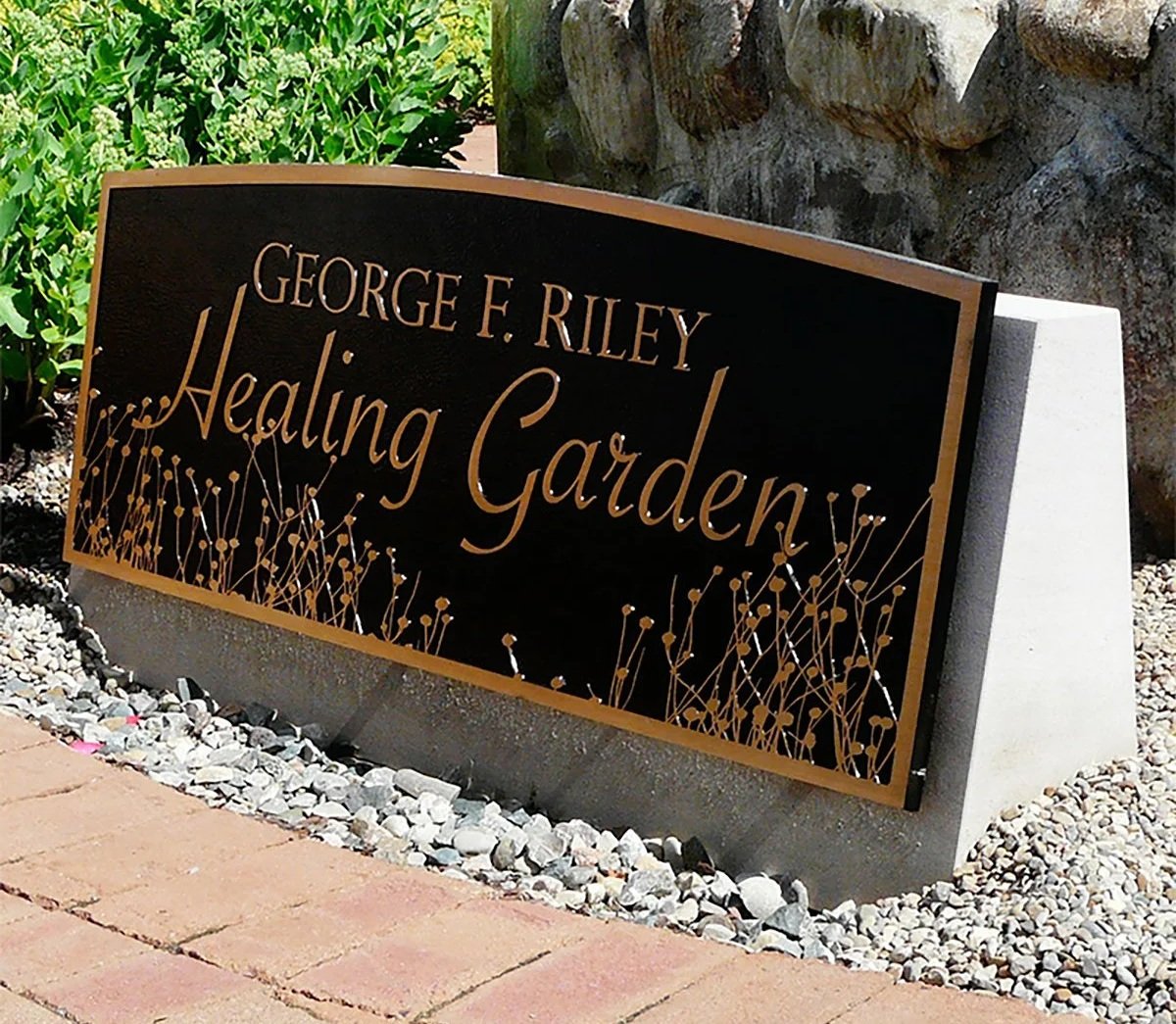
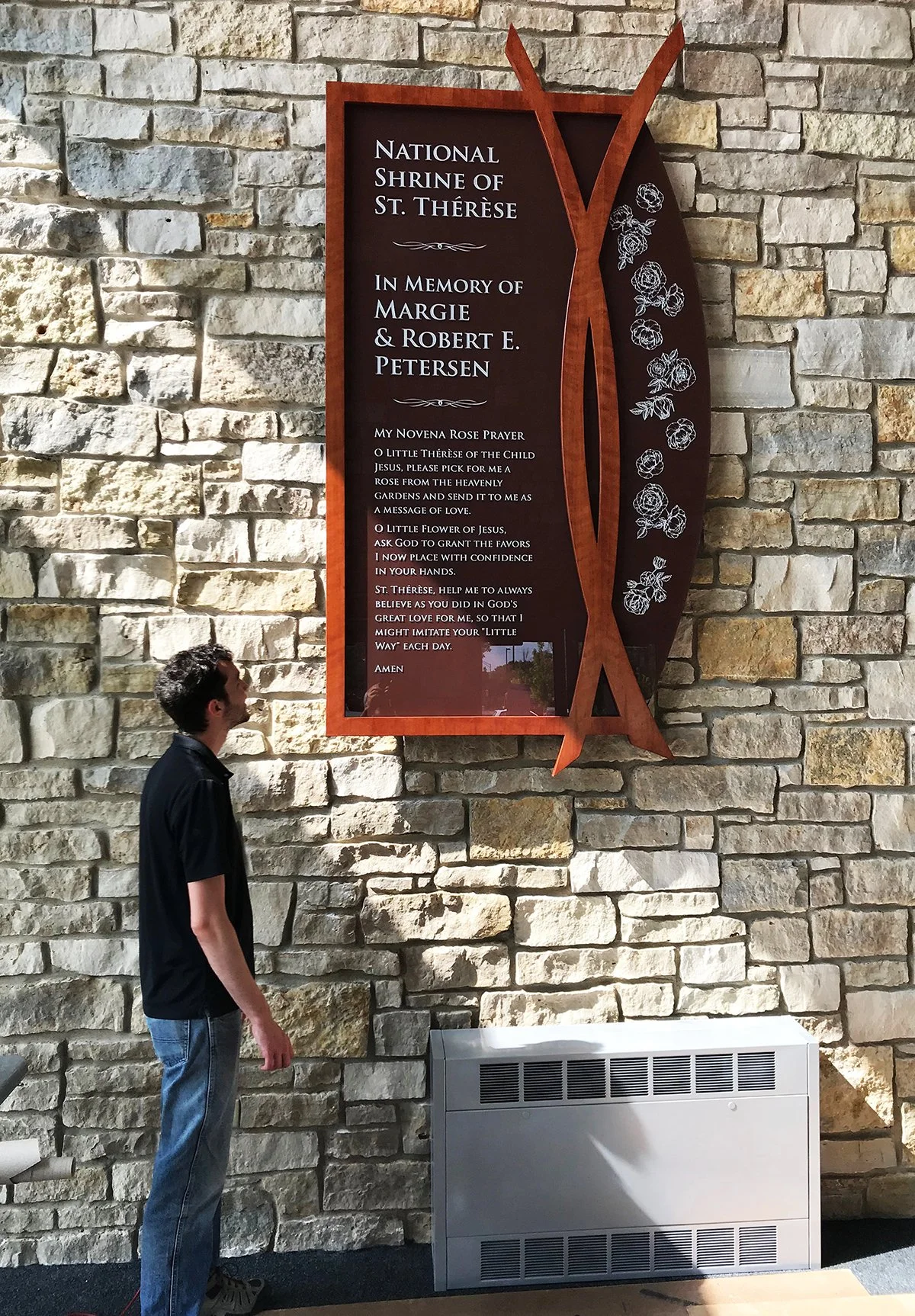
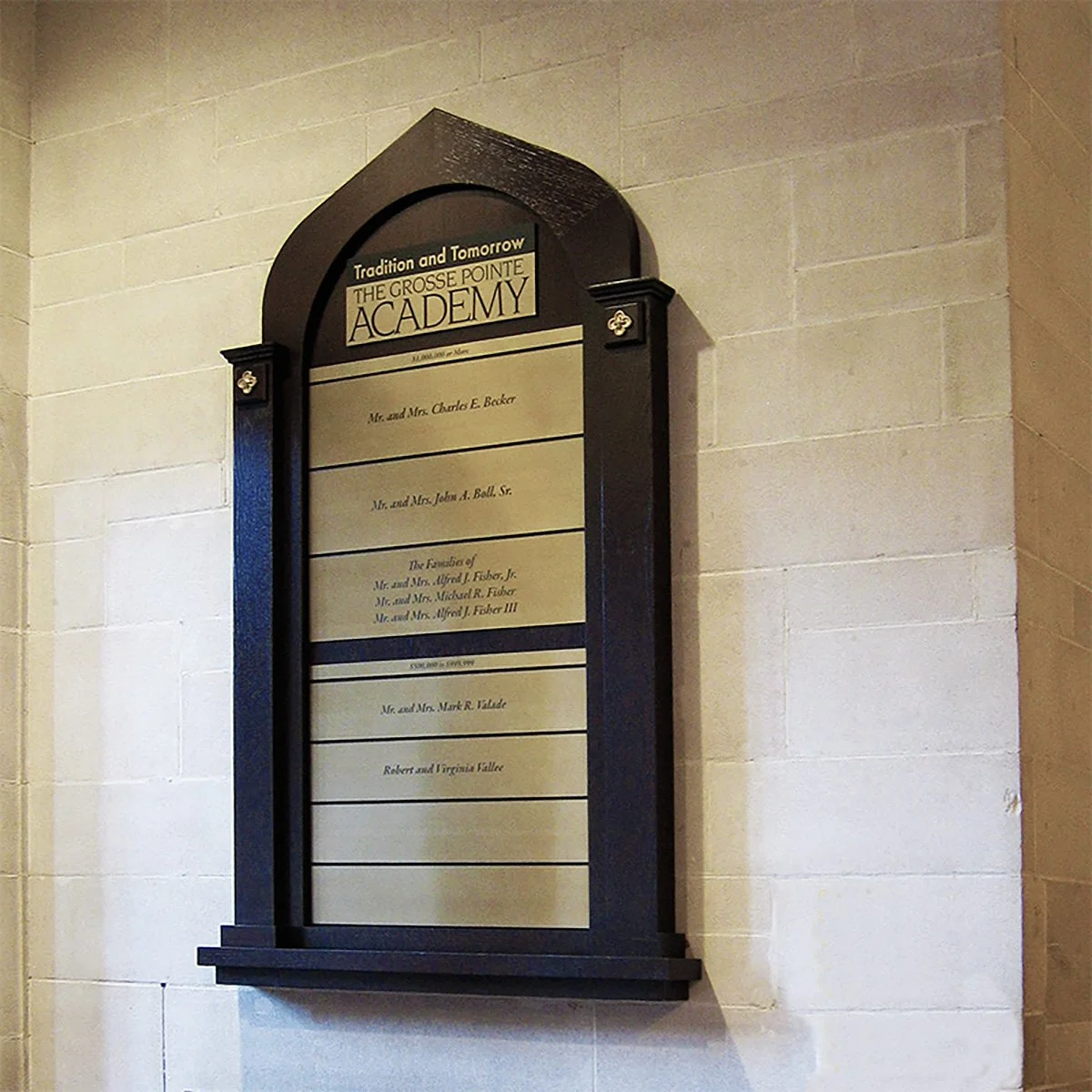
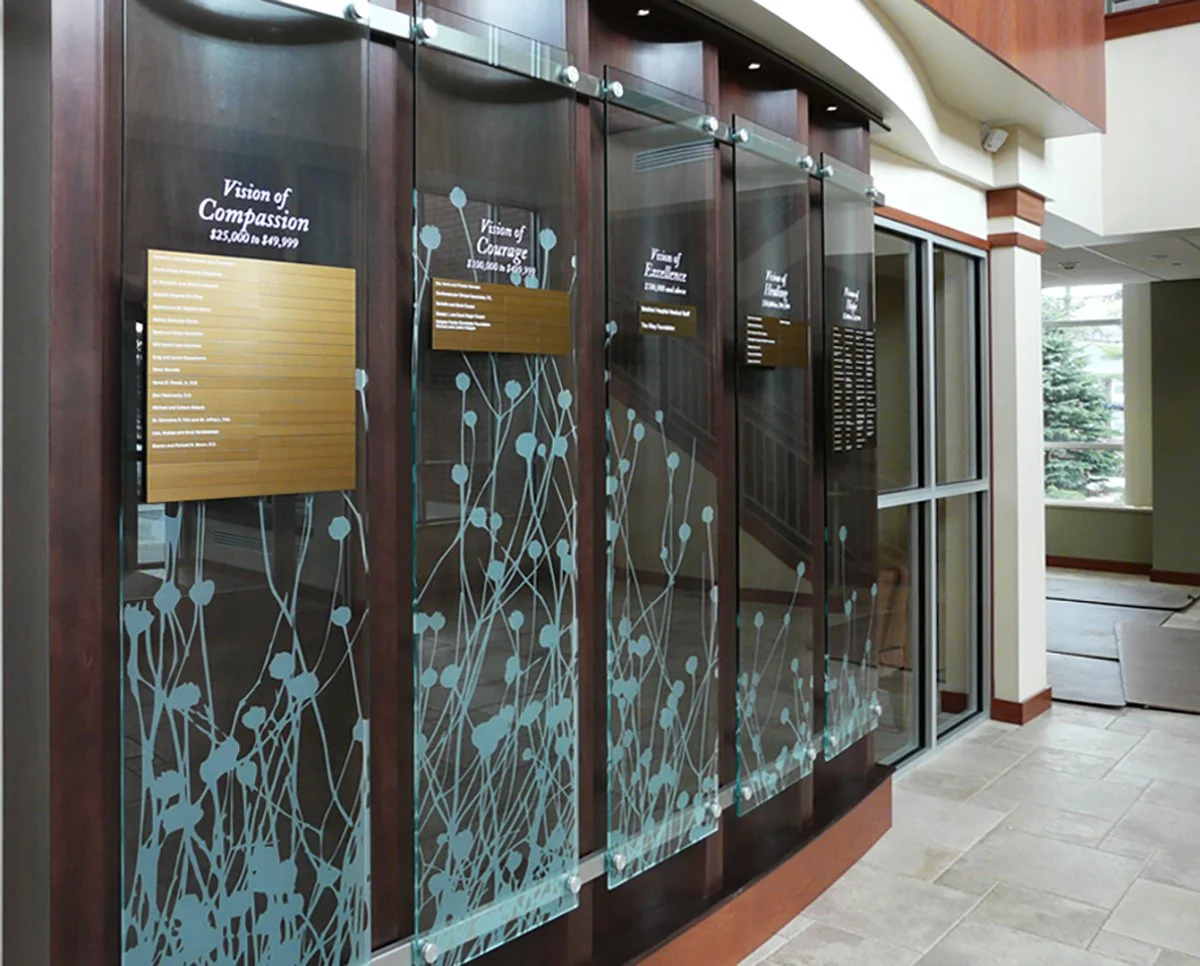
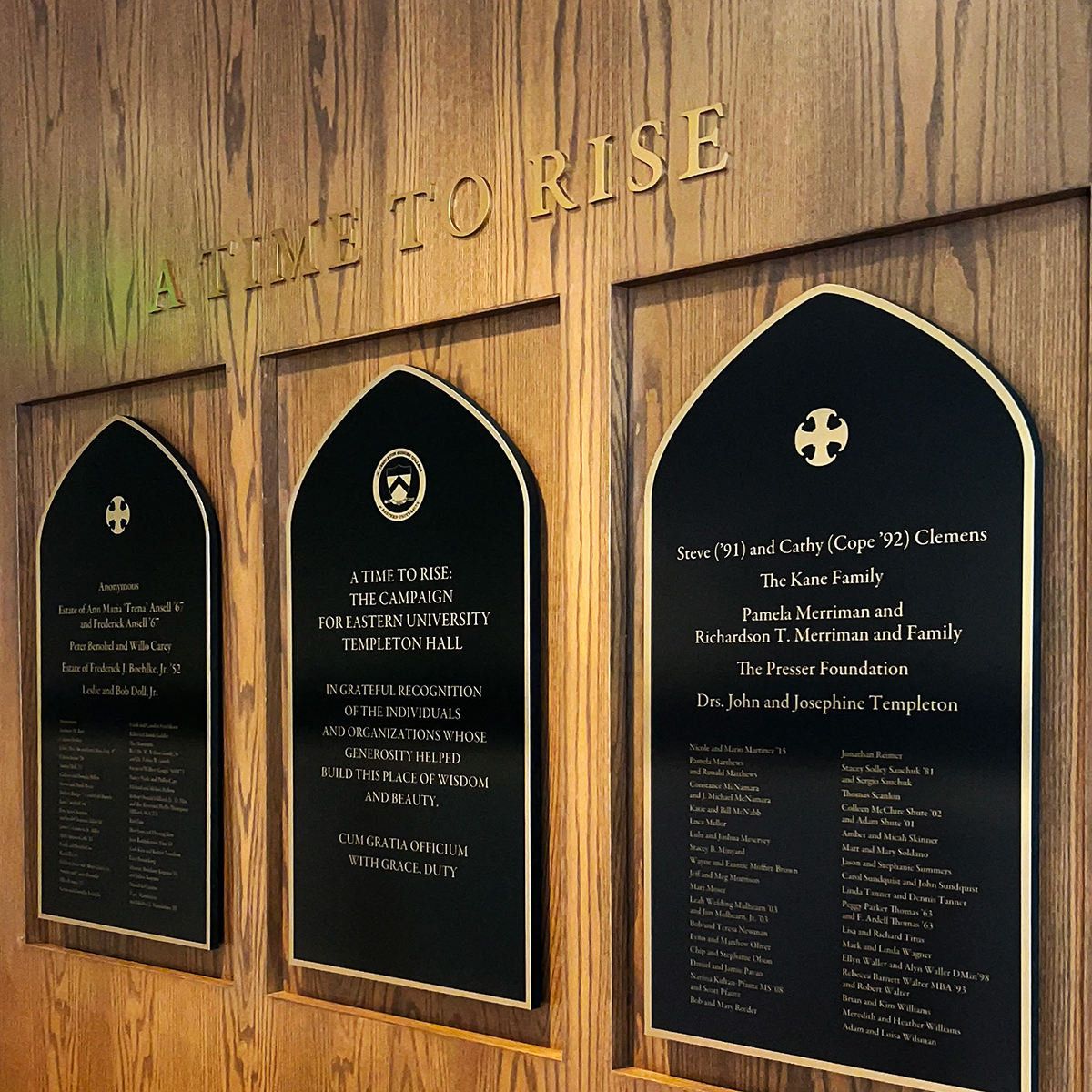
Custom donor recognition wall plaques that suit both clinical and public-facing environments
Seamless alignment with existing signage and navigation systems
A framework that allows your team to add donation recognition plaques over time without clutter
Our Work
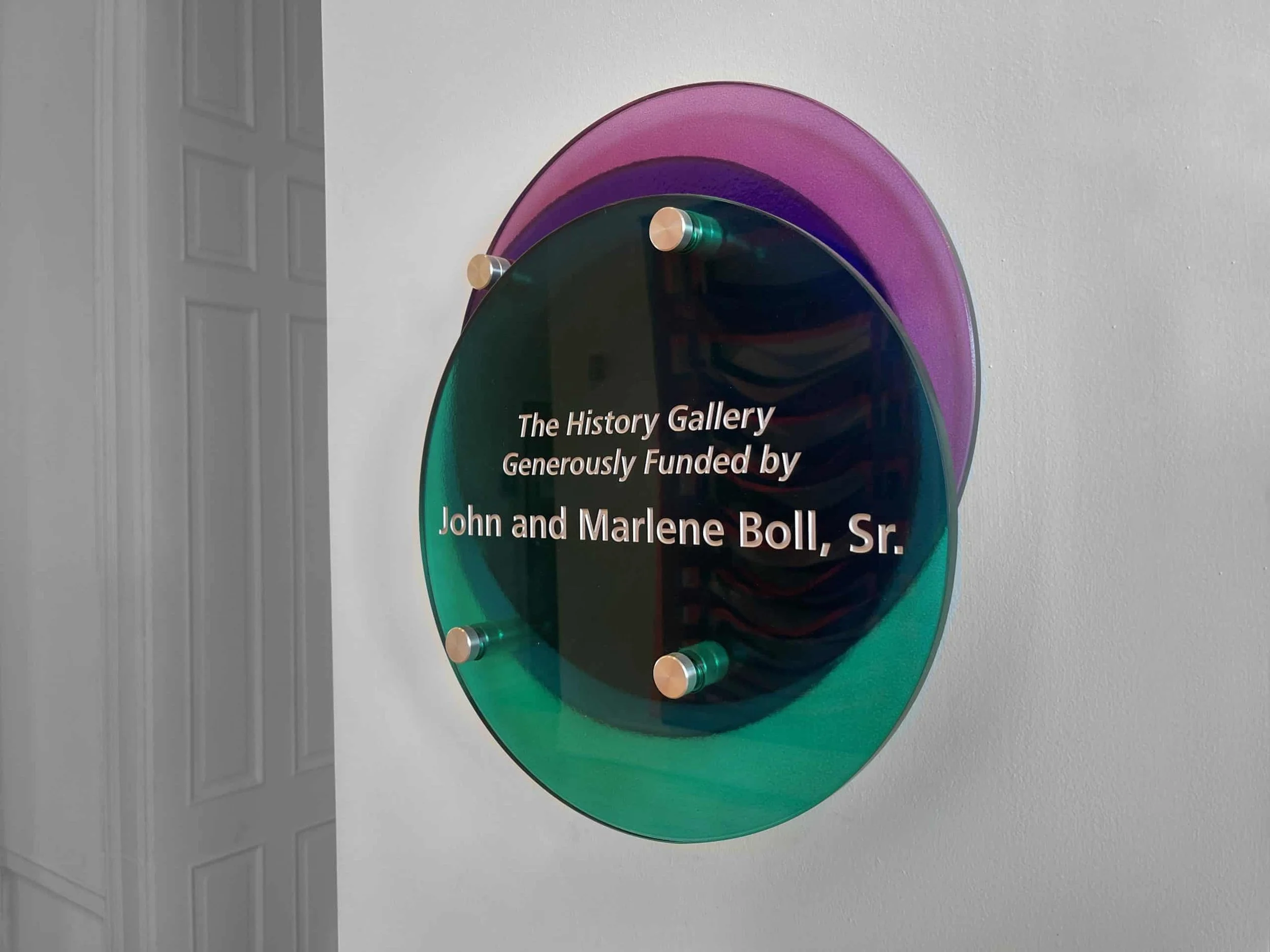
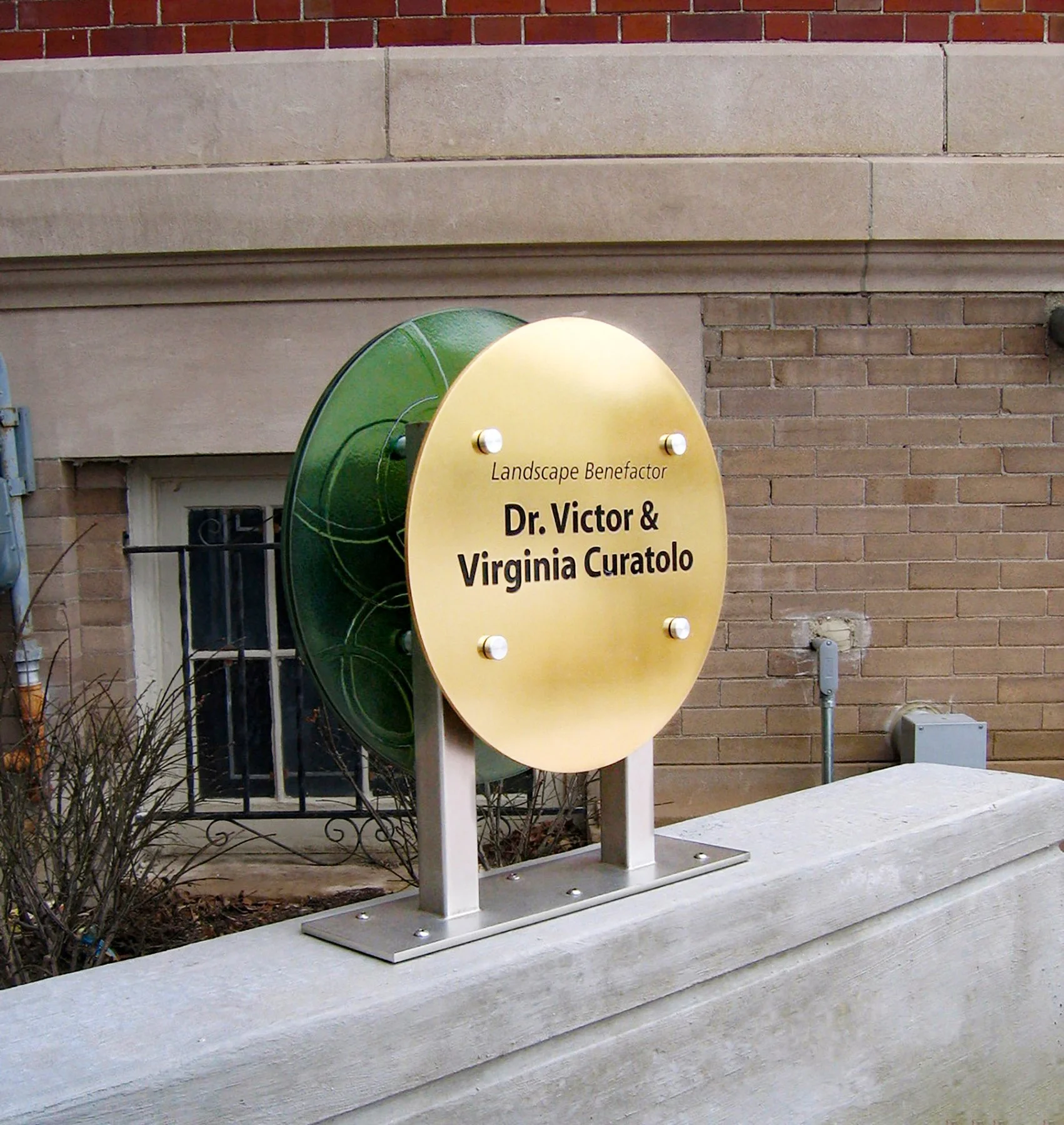
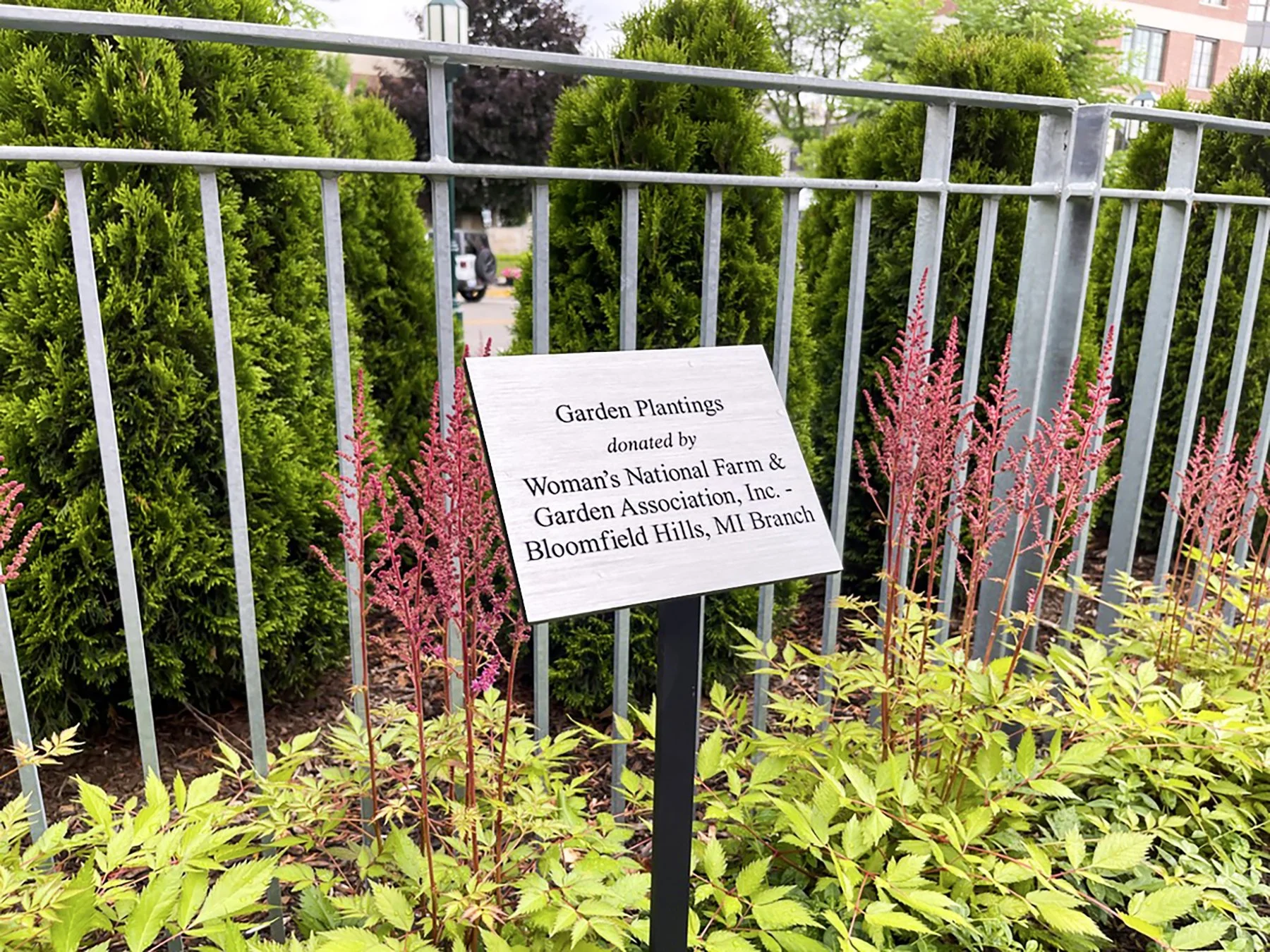
We develop coordinated plaque programs to support healthcare environments and clearly recognize donor contributions.
A thoughtful first step
Each healthcare facility has different needs based on its layout, patient flow, and fundraising structure. The right program should be practical, organized, and adaptable. Share your goals with us, and we’ll help you outline a clear direction for your recognition strategy.
FAQs
-
A successful healthcare plaque program prioritizes clarity, hygiene, and ease of navigation. Our designers thoughtfully place recognition elements so they remain highly visible and meaningful to visitors without interfering with vital patient care areas.
-
Hospitals avoid clutter by partnering with us to build a structured program that defines placement, formats, and hierarchy from day one. This proactive strategy ensures your team can add new recognition pieces consistently without overcrowding walls or disrupting the clinical environment.
-
Our installation teams commonly place them in main lobbies, waiting areas, department entrances, and named spaces such as wings or patient care units. We carefully plan this placement to ensure high visibility while maintaining a calm, organized atmosphere.
-
A well-designed program includes distinctly defined levels of recognition. This tiered approach allows your healthcare organization to acknowledge major gifts, name specific spaces, and honor broader donor contributions all within a single, coordinated visual system.
-
Before designing a single recognition plaque or launching a full facility program, you should evaluate your layout, donor recognition goals, future fundraising plans, and long-term maintenance needs. Planning these elements early helps our team create a system for you that remains consistent, beautiful, and adaptable for years to come.
What Our Clients Say
"Our donor wall is the perfect finishing touch on our new building! DonorSigns were absolutely wonderful to work with. Their vision, creativity, and expertise made this process so easy. We highly recommend them and are thrilled with their work. "
-Kate Laubacher-Smith, Development & Marketing Manager (Meals on Wheels)