
Donor Recognition Strategy Guide
Why Donor Recognition Matters
Imagine a donor so inspired by your nonprofit’s mission that they leave a sizable donation—only to never receive a thank-you letter, email, or recognition (not even inclusion on a donor recognition wall). It’s highly likely that donor would never give again.
A simple expression of gratitude—such as a thank-you note or acknowledgment letter—can make donors feel valued and respected. When donors feel appreciated, loyalty grows. That’s why implementing effective donor recognition practices is essential for long-term fundraising success.
What Is Donor Recognition?
Donor recognition is the intentional practice of thanking and honoring individuals or organizations for supporting your mission. Most nonprofits structure donor recognition in tiers, based on gift amount or donation type.
A strong donor recognition policy helps to:
Cultivate relationships with existing supporters and encourage continued giving
Attract new donors by demonstrating appreciation and accountability
How Donor Recognition Benefits Nonprofits
Effective donor recognition provides several key benefits:
Strengthens donor retention
Recognizing donors—regardless of gift size—helps them feel like a meaningful part of your organization’s story, increasing long-term commitment.Encourages repeat and increased giving
When donors feel appreciated and see the value of their contribution, they are more motivated to give again and at higher levels.Attracts new donors
Public appreciation demonstrates transparency and accountability. Potential donors are more likely to support nonprofits that visibly value their supporters.
Who Should Be Recognized?
Every donor deserves recognition, regardless of contribution size. However, recognition should always be proportional to the gift, ensuring donors feel respected without being overwhelmed or underacknowledged.
Major donors
Individuals or organizations making significant contributions should receive public recognition, such as inclusion on a custom-designed donor wall. This honors their generosity and reinforces their impact.Legacy donors
Donors who leave planned gifts can be recognized through special memberships or acknowledgments that honor their lasting contribution and maintain a strong relationship with their legacy.
Defining Donor Recognition Tiers
Recognition levels should be structured in tiers based on donation amount and type. These tiers vary by organization, but each should offer increasing levels of acknowledgment designed to motivate donors to move upward.
Common Types of Donor Recognition
Personal recognition
Thank-you letters, emails, phone calls, in-person meetings, small gifts, or tokens of appreciation.Public recognition
Donor recognition walls, donor clubs listed on your website, newsletters, or press releases. Always confirm a donor’s preference before public acknowledgment.Naming opportunities
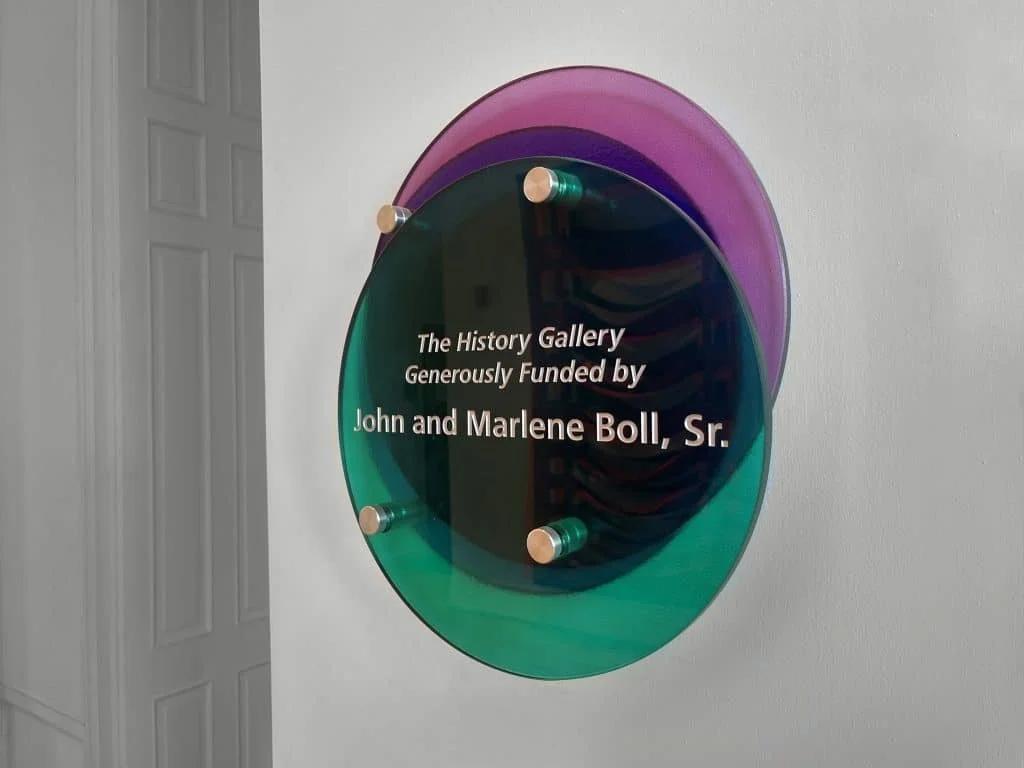
Reserved for major donors, these include naming buildings, rooms, campaigns, programs, or funds.
Each tier should include a thoughtful balance of personal and public recognition, with naming opportunities limited to the most significant corporate or individual donors.
A nonprofit that consistently practices donor recognition is far more likely to retain its supporters. When donors feel appreciated, respected, and connected to your mission, they are more inclined to continue giving—and to encourage others to do the same.